




The Differences in Ma Huang & Ephedrine

Chinese herbalists prescribe tea brewed from the thin stems of Ephedra sinica, or ma huang, for many respiratory illnesses including the common cold and asthma. Ephedrine in ma huang stimulates your heartbeat and improves your breathing. Makers of herbal sports supplements claimed that ephedrine raised metabolic rates and burned fat. But dangerous side effects of supplements containing ma huang and other herbs caused the Food and Drug Administration to ban ephedra supplements in the United States in 2004.

Ma Huang

Ma huang originated in the arid deserts of east Asia. This evergreen shrub grows vestigial leaves that soon shrivel, photosynthesizing food with its green twigs instead. The bitter alkaloids in ma huang protect the plant from damage by insects and grazing animals. Chinese physicians have depended on ma huang to treat respiratory ailments for at least 5,000 years, according to the University of Maryland Medical Center. The cultivated variety of ma huang provides the most potent herb. Native Americans used ephedra species native to the American deserts as a treatment for urinary diseases, and Mormon settlers brewed a coffee substitute from ephedra twigs.

Ephedrine

The stimulating medicinal effects of ma huang come from two alkaloids, ephedrine and pseudoephedrine, that collect in the nodes of ephedra stems. Ephedrine molecules closely resemble the molecules of epinephrine, or adrenaline, and attach to the same chemical receptors in your body. Ephedrine creates an artificial adrenalin rush, causing the reactions your body would need during a stressful physical emergency. Many medicines that treat colds, allergies and asthma depend upon synthetic ephedrine to dilate inflamed bronchial tubes and ease coughing. Pseudoephedrine relieves nasal congestion. Until 2004, many performance-enhancing athletic supplements and diet pills included ephedra herb, or ma huang.

Traditional Use

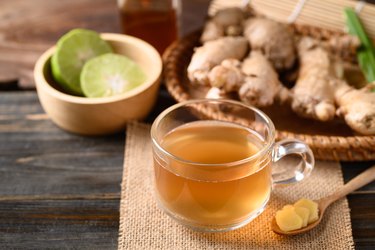
Traditional Chinese medicine recognized ma huang as a potentially dangerous herb as well as an effective treatment for certain ailments. Physicians prescribed ma huang in small doses and only for short cycles of treatment, according to the Pacific College of Oriental Medicine. Ephedra tea made from 2 g of dried ma huang steeped in a cup of water provides approximately 25 mg of alkaloids. Three cups of tea daily offers relief from bronchitis, nasal allergies and the respiratory symptoms of colds and flu. Using more than the recommended dosage could cause dangerously high blood pressure. Long-term use could be addictive.

Dangers

Before the FDA banned dietary supplements containing ma huang, weight loss aids and energy supplements containing ephedrine accounted for less than 1 percent of all herbal supplements sold in the United States. Ephedra products caused 64 percent of all adverse effects from herbal supplements, according to a study published in "Annals of Internal Medicine" in 2003. Supplements often combined ma huang with two other powerful herbs. Extra caffeine in guarana root and aspirin in willow bark exaggerated the action of the ephedrine in ma huang. Side effects ranged from headache and insomnia to dehydration and psychosis. Extreme reactions included fatal heart attacks and strokes.

References

Article reviewed by Mike Myers Last updated on: Sep 9, 2011

Must see: Photo Galleries

Member Comments