




























































Vitamin E is a fat soluble antioxidant that your body needs to neutralize free radicals and to protect cells from destruction. Many foods are good sources of vitamin E, especially those that contain some amount of fat. However, a few fruits and vegetables also contain the vitamin. The recommended daily vitamin E intake for men and women is 15 mg per day. Add a few of these foods to your diet to ensure proper vitamin E intake.
Cooking Oils
Oils are naturally high in vitamin E due to the fat soluble quality of the vitamin. However, the vitamin E content differs between different oils. The best source of vitamin E is sunflower oil with 5.6 mg in 1 tbsp., followed by safflower oil, 4.6 mg; canola oil, 2.4 mg; peanut oil, 2.1 mg; and corn oil, 1.9 mgof vitamin E in 1 tbsp. Margarine also contains vitamin E up to 2.2 mg per tbsp.
Cereals
Many cereals have been fortified with vitamin E and can provide nearly your daily dose of the vitamin. However, the content differs extensively between different cereal types and brands. For example, some raisin bran, corn flake and wheat flake cereals contain 13.5 mg of vitamin E in one normal serving, while other cereals contain less than 1 mg of vitamin E in a typical 1 cup serving.
Nuts and Seeds
Nuts and seeds contain unsaturated fats and thus, also provide considerable amount of vitamin E. Sunflower seeds have 8.3 mg in 1/4 cup, while almonds have 7.4 mg, hazelnuts have 4.3 mg, pine nuts have 2.7 mgand Brazil nuts have 1.6 mgof vitamin E in a 1-oz. serving. A 1-oz. serving is approximately 24 almonds or 7 Brazil nuts.
Fish
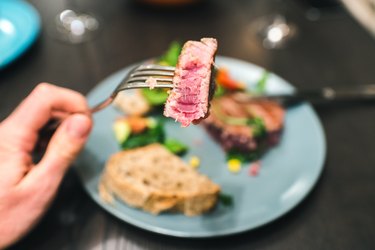
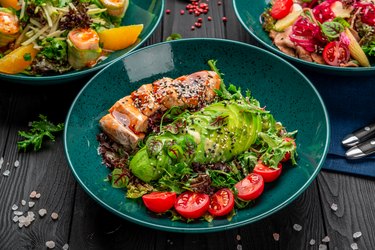
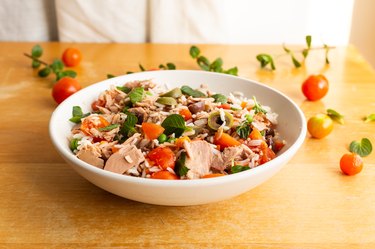
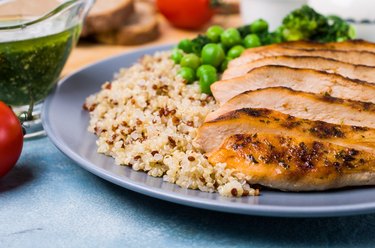
Fish, especially fatty fish, is the highest vitamin E source of all meats. Good sources include sardines that have 1.7 mg, herring with 1.5 mg; rockfish with 1.3 mg; salmon that has 1.2 mg; and tuna with 0.7 mgof vitamin E in a 3-oz. serving. Other meats, such as 1/2 chicken breast with skin has 1.5 mg, six oysters have 0.7 mg and beef steak has 0.4 milligrams in 3-oz. serving.
Vegetables
Many vegetables or vegetable products contain varying amounts of vitamin E. For example, canned tomato paste has 11 mg; frozen spinach has 6.7 mg; turnips have 4.4 mg; canned carrot juice has 2.7 mg; frozen broccoli has 2.4 mg; red sweet peppers have 2.4 mg; frozen asparagus has 2.2 mg; frozen collard greens have 2.1 mg; white beans have 2.1 mg; and frozen kale has 1.2 mgof vitamin E in 1 cup. Avocados are also good source of vitamin E; 1-oz. serving has 0.6 mg.
Fruit
A few fruits also contain some vitamin E, including a mango and kiwi fruit. Some berries also contain vitamin E, including raspberries, blackberries and blueberries.


Member Comments