

















































Blueberry Leaf & Diabetes

Blueberry Leaf & Diabetes
Photo Credit Photos.com/Photos.com/Getty Images

Blueberries contain fiber, vitamin C and antioxidants that are beneficial to health. Tea made from dried blueberry leaves has been used to alleviate sore throat as well as reduce mouth inflammation, says MedlinePlus, a service of the National Institutes of Health. Blueberries have also been associated with reduced blood sugar levels. Because blueberries potentiate the effects of diabetes medications, always consult your doctor before consuming blueberry fruit or leaf to avoid adverse reactions if you are on this type of medication.

Diabetes Symptoms, Complications and Treatment

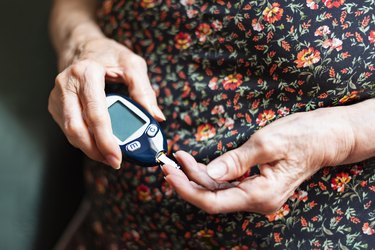
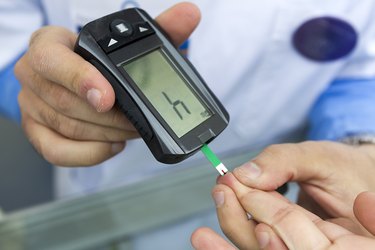
Increased thirst, frequent urination, fatigue and impaired immune response are typical symptoms of diabetes. Diabetes also impairs your ability to regulate your blood sugar levels. If left unchecked, this leads to complications such as cardiovascular disease as well as nerve and kidney damage. Treating diabetes involves healthy eating habits and regular physical exercise in addition to medications.

Blueberry Leaf Anti-Diabetic Properties

A study published in the 2006 issue of “Phytomedicine” showed blueberry leaf extract contains Vaccinium angustifolium Ait, a substance that helps lower blood sugar levels. The researchers discovered Vaccinium angustifolium Ait has properties that mimic the effects of insulin, the hormone the body uses to regulate blood sugar levels. Moreover, they found that Vaccinium angustifolium Ait shields cells from glucose toxicity. More research is needed to evaluate the potential applications of blueberry leaf extract in diabetes treatment.

Blueberry Leaf and Hypoglycemia

Anthocyanin is a substance in blueberries that helps lower blood sugar levels, according to a study published in the 2009 issue of “Phytomedicine.” The researchers found that medication with about 51 percent anthocyanin had glucose-lowering effects similar to those of the anti-diabetic medication metformin. However, the hypoglycemic effect was significant only when anthocyanin was administered with a drug delivery system called Labrasol. More research is needed to determine whether or not the anthocyanin in blueberry leaf can lower the blood sugar levels of diabetics as effectively as established diabetic medications such as metformin.

Other Uses and Possible Interactions

Other possible medicinal applications for blueberry include prevention of cataracts and glaucoma as well as treatment of ulcers, urinary tract infections, multiple sclerosis and chronic fatigue syndrome, reports MedlinePlus. Blueberry leaves have been used to treat diarrhea. Improved circulation has also been associated with blueberry consumption. Blueberries have been associated with potentiating the effects of diabetic medications like insulin, pioglitazone, chlorpropamide and glipizide.

References

Article reviewed by joyce sexton Last updated on: Sep 13, 2011

Must see: Photo Galleries