











































Does Your Diet Affect Vision?

Does Your Diet Affect Vision?
Photo Credit Jupiterimages/Comstock/Getty Images

The nutrients you bring into your body through food and supplements help your body perform functions that keep your organs working and muscles moving. A poor diet could result in nutrient deficiencies that could impact your health, which may include changes in your vision. In fact, nutrients play a significant part in your vision, and understanding the role of diet and nutrients will help you take the necessary steps toward good eye health.

Development

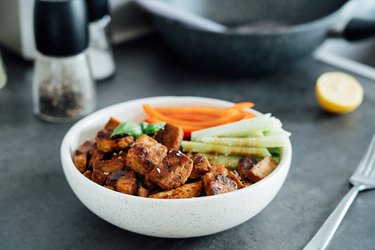
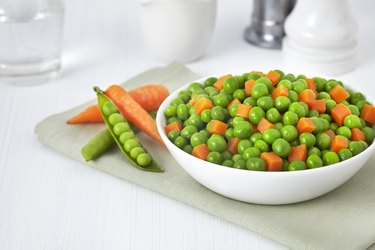
During pregnancy, women should ensure they have a good intake of vitamin A, an important nutrient for fetal vision development. Food sources include carrots, sweet potatoes, dairy products and spinach.
Omega-3, a fatty acid, also plays an important role in the development of vision. In a 2000 study published in “The American Journal of Clinical Nutrition,” researcher Martha Neuringer reports that fatty acids, particularly docosahexaenoic acid, or DHA, one type of omega-3, have a significant role in the development of visual acuity.
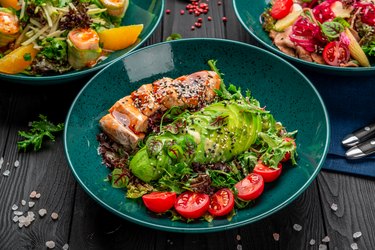
Mothers who consume omega-3 fatty acids through diet or supplements pass this nutrient to their infants through breast milk. Fatty fish such as salmon, mackerel and halibut provides a good source of omega-3. You can also find this nutrient through other foods such as walnuts, pumpkin seeds and flaxseed. Supplements such as flaxseed oil and fish oil will also give you omega-3.
If your child uses formula, talk to your infant’s pediatrician regarding formulas that provide this important nutrient.

Deficiencies

If you do not have the right intake of nutrients, you will have a risk for nutrient deficiencies. Low levels of certain nutrients could affect your vision. For example, low levels of vitamin A could lead to blindness or difficulty seeing at night. In mild cases of vitamin A deficiency, you may experience dry eye, a condition that causes discomfort and redness. Some people also experience episodes of blurry vision. Average adults and adolescents require between 700 and 900 international units daily. Children need between 300 and 600 international units.
Low levels of vitamin B-12 may also cause blurry vision or double vision. From age 14 and up, the average person requires 2.4 micrograms of vitamin B-12, adolescents need 1.8 micrograms, and children require from 0.4 to 1.2 micrograms, depending on age and health. Sources of this nutrient include fortified cereals, dairy products, eggs, meats and seafood.

Prevention

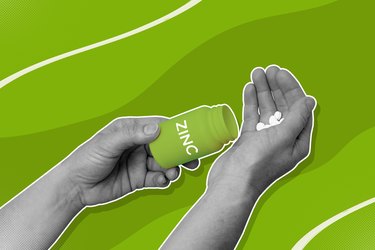
Your diet may also help prevent certain types of eye disease. In 2001, the National Eye Institute released study findings for the Age-Related Eye Disease Study, which found that certain nutrients, when combined in high doses, could reduce the occurrence of advanced macular degeneration by 25 percent. This condition often results in permanent blindness. The recommended nutrients include 25,000 international units of vitamin A, 500 milligrams of vitamin C, 400 international units of vitamin E, 80 milligrams of zinc and 2 milligrams of copper.
If you have risk factors for this condition, your doctor may recommend that you take a supplement that provides the appropriate dosage, since consuming high doses through your diet may prove difficult.

Considerations

Talk to your doctor about making dietary changes that will include a variety of healthful foods to promote good vision and healthy eyes. You should not take supplements without first consulting your doctor, since you may have a health condition that requires you to avoid high nutrient doses. Your doctor will help you determine an appropriate dosage.

References

Article reviewed by CarmenN Last updated on: Sep 29, 2011

Must see: Photo Galleries