





















































Diet Soda & Vasculitis

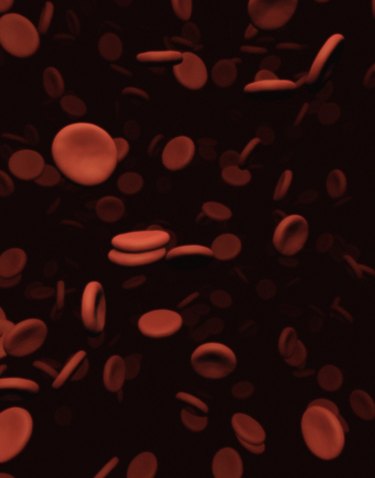
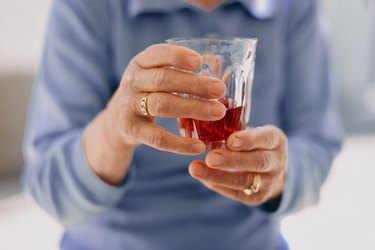
Vasculitis is a potentially fatal condition characterized by inflammation of the blood vessels. The inflammation results in unhealthy changes to the blood vessel walls, such as narrowing, weakening, thickening and scarring. Vasculitis can be a temporary condition or chronic. In severe cases the inflammation prohibits blood flow, causing tissue and organ damage. A specific diet for vasculitis does not exist, but it is best to avoid diet soda. Ask your doctor for other dietary recommendations.

Bones

Research indicates that drinking diet and regular soda contributes to bone mineral loss and increases the risk of osteoporosis, a condition characterized by weak bones, according to an ABC News article published in October 2006. Diet soda contains high amounts of the chemical additive phosphoric acid. Phosphoric acid helps prevent soda from going flat. Your body maintains a balance of calcium and phosphorus. Consuming phosphorus or phosphoric acid causes a release of calcium from your bones and teeth to maintain. Bones need calcium to remain healthy and strong.

Caffeine

Many diet sodas contain caffeine. A type of vasculitis called benign angiopathy of the central nervous system, BACNS, is linked to caffeine use. Vasculitis is also called angiopathy. BACNS mainly affects the brain and spinal cord. It typically presents in young women, particularly those who have a history of headaches. The evidence linking BACNS and caffeine is anecdotal and requires more research. However, diet sodas often contain high amounts of caffeine, such as 27 to 47 milligrams per 12-ounce serving. Heavy nicotine use, cold remedy use and oral contraceptives are also linked to BACNS.

Weight

Weight loss and a loss of appetite are diet-related symptoms of vasculitis. Additional symptoms include muscle pain, joint pain, fever, fatigue and nerve problems, including weakness or numbness. The propensity to lose weight means you need to eat and drink foods with significant calories. Aimee Shea recommends in a document on the North Carolina/Raleigh Vasculitis Support Group's website that people with vasculitis drink large amounts of calories, such as from regular soda and milk. Shea is an oncology dietitian at the University of North Carolina Cancer Center. Diet soda is not beneficial because it has no calories.

Digestion

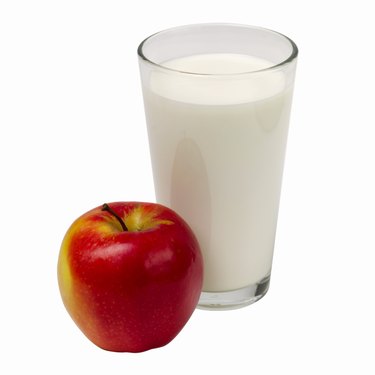
Eating frequently helps to prevent weight loss, but it is also important that you are able to digest foods so your body can access the nutrients. The phosphoric acid in diet soda neutralizes hydrochloric acid in your stomach, which breaks down food. Your body cannot absorb nutrients without enough hydrochloric acid. Impaired digestion also makes it difficult for your body to absorb dietary calcium, which your body needs to repair bones and maintain density. Dairy products, nuts, beer, dried beans and peas are also high in phosphorus.

References

Article reviewed by Vesna Vuynovich Kovach Last updated on: Dec 3, 2011

Must see: Photo Galleries

Member Comments