



































































1. Glucose Levels Affects Moods
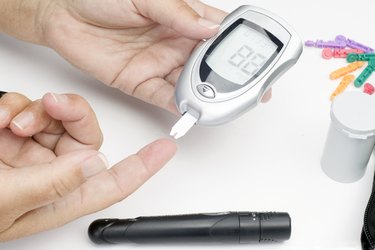
Changes in blood glucose levels are directly related to how you feel. The more you know about how sugar affects the brain, the better you will be able to control your mood. Low blood sugar is defined as glucose levels that fall below the normal 70 to 90mg level range. When the levels fall, the brain produces fight or flight hormones, cortisol and adrenalin, which stimulate the liver to release more glucose, but also produces symptoms like shakiness, fatigue, and depression.
2. Low Blood Glucose and Depression Can Influence Each Other
Your mood affects your blood sugar, which can in turn influence emotions, triggering a vicious cycle of depressed feelings. As blood glucose diminishes, the symptoms of sluggishness, fatigue and depression take hold as the body overproduces stress hormones. Depression, in turn, may cause a patient to be less strict about taking medication and maintaining a proper diet that regulates blood glucose levels.
3. Women Get Sad, Men Get Mad
Women are more prone to depression in general, and the same is true for hypoglycemia sufferers. The release of cortisone and epinephrine cause them to experience more symptoms of anxiety and panic attacks. Men, on the other hand, are more prone to anger and aggression because low blood glucose is also associated with a release of testosterone. A 1970s study of the Quolla Indian tribe in Peru found the men in to be prone to violent outbursts and murder. It was found the tribesmen were hypoglycemic, with diets high in refined sugar and alcohol.
4. Diabetes in Disguise
The depression and sadness resulting from low blood sugar may actually be a sign of uncontrolled diabetes. If too much insulin is administered, blood glucose will drop and produce symptoms of depression. Some diabetic patients also become depressed when they learn they have the disease. In fact, rates of depression are higher in diabetics than the normal population. The four stages of mourning are: denial, anger, depression and acceptance.
5. Treat Symptoms With a Healthy Diet
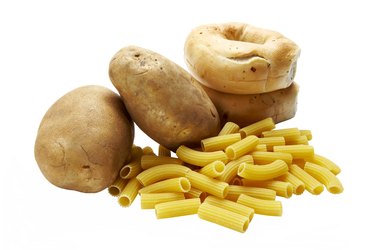
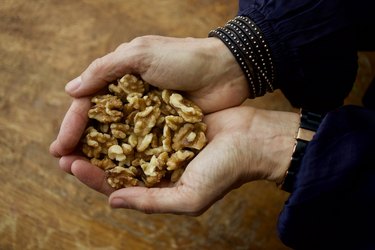
Depression is a serious symptom of low blood glucose, but with a proper diet a patient can start to feel like himself again. Avoid sugar, white wheat flour and the hormone imbalancing hydrogenated oils. Opt for lean meets, whole grains and green vegetables. Eating six small meals a day will keep your blood glucose balanced out. Carry seeds and nuts for a small snack.


