















































Kapalabhati, sometimes spelled kapalbhati, is a vigorous yoga breathing technique that cleanses the lungs and helps quiet the mind for a deeper state of meditation. Unlike most other breathing techniques, kapalabhati emphasizes an active exhalation and a passive inhalation. This particular technique helps the body regulate its metabolism, release toxins and burn off fat, all of which are excellent for helping weight loss.
Background
A combination of the Sanskrit words for "skull" (kapala) and "illuminating" (bhati), kapalabhati helps create clarity and radiance in both body and mind. Kapalabhati is considered both a pranayama (breath technique) and a shatkriya (cleansing technique).
Benefits
Kapalabhati practitioners believe that the breathing technique energizes the brain with freshly oxygenated blood, clears the mind, increases awareness, detoxifies lungs and nasal passages, massages the abdomen, stimulates digestion and helps develop strength and stamina. Because it strengthens the abdomen muscles, kapalabhati also helps tone and slim the waistline.
Preparation
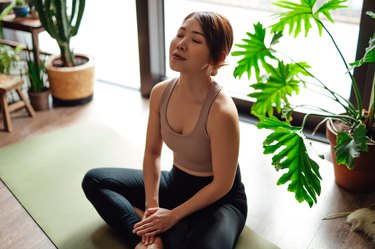
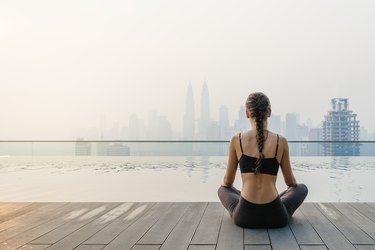
Sit in a comfortable seat either in a chair or on the floor with your legs comfortably crossed or in vajrasana (kneel first and then sit back on your feet). Root your pelvis downward and lengthen your spine upward. Move your upper palate of your mouth slightly back to align your neck and head. Keep your body relaxed and still. Only your abdominal muscles need to work.
Practice
Begin by breathing deeply and evenly through your nose. After a normal inhale, exhale fully and notice how you can actively contract your abdomen muscles to release more air. Continue exhaling by contracting the muscles in front of the abdomen. You'll force a powerful exhale through the nose followed by a passive inhale, about 25 to 30 times. After one round, take a few normal breaths. Then, do two more rounds with a breath break in between. Keep a steady rhythm. Your belly will be actively pumping like a machine.
Frequency
Practice kapalabhati once or twice a day in the morning and evening, but not just before going to bed. Do three rounds of 25 to 30 repetitions in each session.
Precautions
Practice on an empty stomach, at least 2 hours after your last meal.
Do not practice kapalabhati if you're pregnant or if you have high blood pressure or heart disease.
Discontinue if you feel any pain, dizziness or nausea.
Have a tissue handy for any mucus that expels.
References
- "Light on Pranayama: The Yogic Art of Breathing"; B.K.S. Iyengar; 1985
- Yoga+: Clearing Your Head--The Practice of Kapalabhati


Member Comments