





1. Is The Serving Size Small or Super-Sized?
When reading a nutritional label on meat, serving size determines all other numbers. The serving size determines how many calories and how much protein there are per serving. The total number of fat grams includes the amount of saturated fat, transfats and cholesterol contained in the size of serving that is listed on the nutrition label. If the serving size is one ounce and you normally eat three ounces, you will have to multiply the amount of calories and fat by three to get an accurate reading of nutritional values for the meat, based on your own serving size. Some serving sizes are very low and don't represent what a "normal' human being would eat. For example, a serving size might be 1/2 ounce and there might be 8 servings per package. Yet most people would eat a full ounce as a serving. To get an accurate indication of the nutritional value of the meat, you would have to multiply the serving size listed by 2 because you're eating twice the amount of a serving size.
2. Additives Are Abundant
Before you read the nutritional label on meat, make sure you read the contents or ingredient label. If you assume that the contents are only the meat, you may be wrong. Some frozen meat is "flash frozen" and may contain large amounts of sodium. Some frozen chicken is "bathed" in a sodium solution and most pork products contain flavoring and tenderizing ingredients that have been injected into the meat. Processed meats like sausage, hot dogs, bacon or luncheon meat also contain chemicals that help preserve the meat. Some meat products that are supposed to be more healthy than the original product contain chemicals to make it look and taste like the original product, like turkey bacon. Check the sodium and sugar content on nutrition labels to find the nutritional value of additives.
3. Think You Know The Contents?
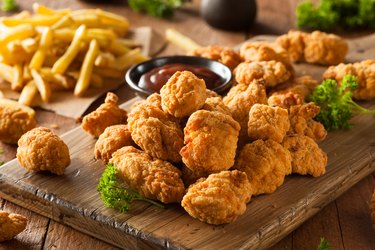
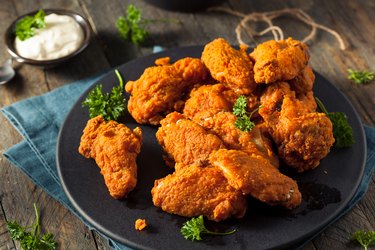
Convenience meats, ready to eat meat and specialty meat products may have more contents than you think. If you buy chicken cordon bleu that is ready to cook, you might think the ingredients would be chicken, ham and cheese. But remember that eggs, butter, bread crumbs and milk products may also be added. Ready to cook chicken nuggets may also contain bread crumbs along with preservatives. Ribs that are ready to cook can contain special BBQ sauce with molasses or brown sugar. Read the contents of the package to get a good idea of nutritional values for the meat. Meat doesn't normally contain sugar or carbohydrates, yet if it's listed on the nutritional label, then the meat you're looking to buy contains them.


Member Comments