
















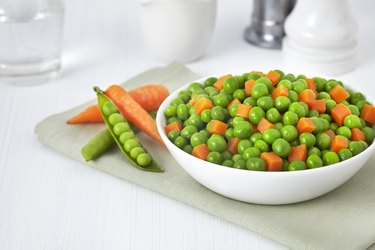
Understanding Food Portions

What foods you choose to eat matter, and so does how much of those foods you decide to eat. One of the best ways to get your diet on track and boost your health in the new year is to keep track of your food portions. Understanding food portions can help you lose weight, improve your health and have more energy--all great ways to get the new year off to a good start.

Identification

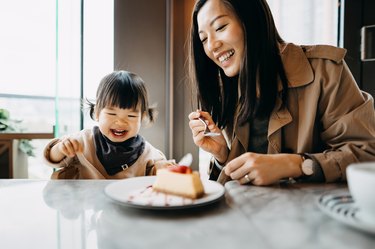
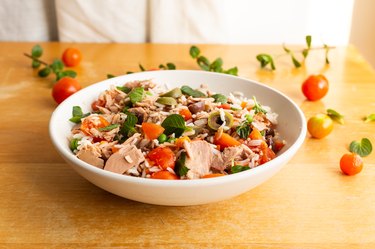
A portion is the amount of food you eat and could be called a "real world" helping. Portions are different from serving sizes, which are the recommended amount of food based on the ingredients in a particular food. A portion may be larger--and therefore contain more calories--than a serving.

Significance

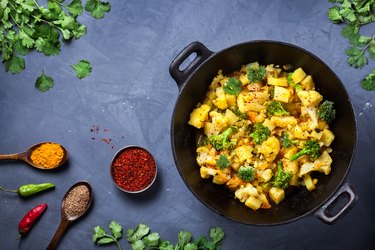
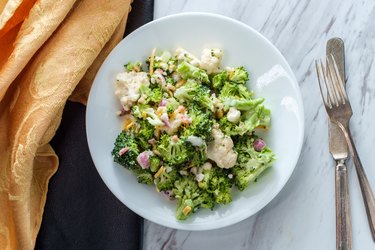
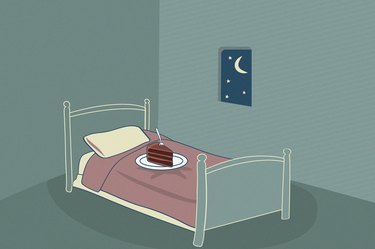
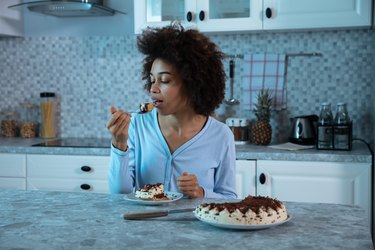
The amount of calories, nutrients and fat in a given food depends on how much of it you eat. If you eat two bites of broccoli instead of a 1-cup serving, you're not getting the full vitamin and fiber benefit from the broccoli you eat. On the other hand, if you eat a double portion of chocolate cake, you're getting twice the calories and fat of one serving. Knowing what a recommended portion is and basing your diet around those portion sizes can significantly improve your diet.

Considerations

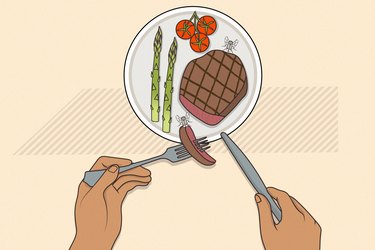
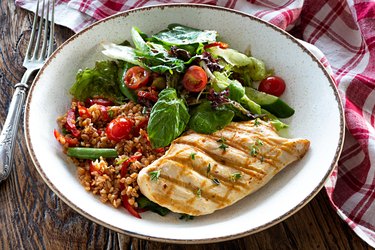
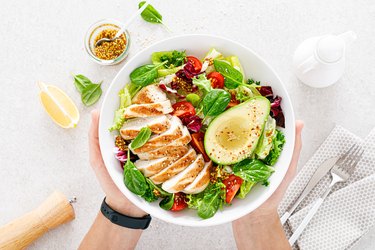
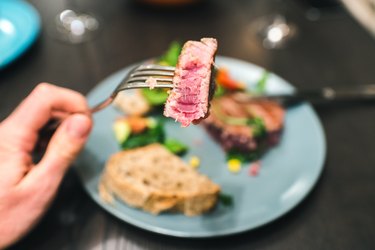
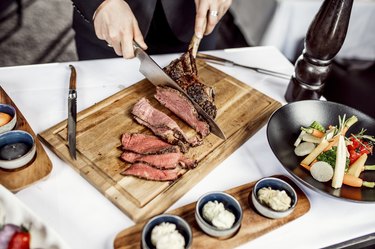
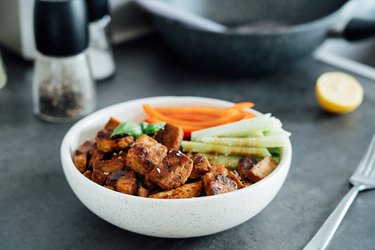
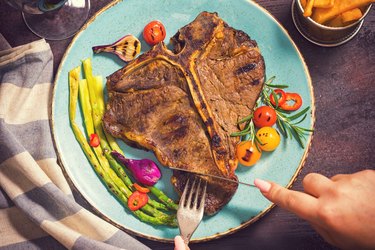
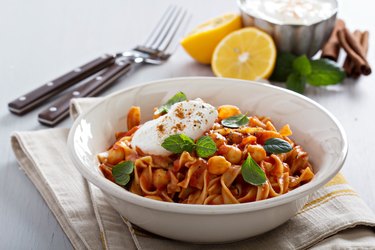
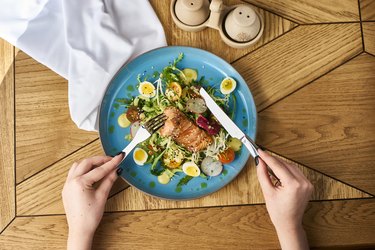
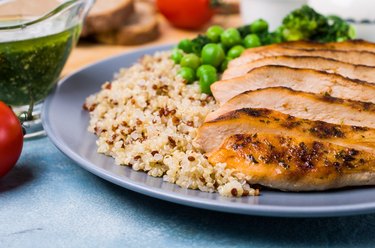
Most foods come with recommended serving sizes on the packaging, but you can use visual cues to quickly assess serving sizes. When you're serving vegetables, opt for a serving about the size of your fist. Serve protein in pieces about the size of a deck of cards, cheese in chunks the size of your thumb and pasta in servings about the size of a baseball. If you're not sure what a serving size of a particular food looks like, measure out a portion and use that portion as a guide for the rest of your servings.

Warning

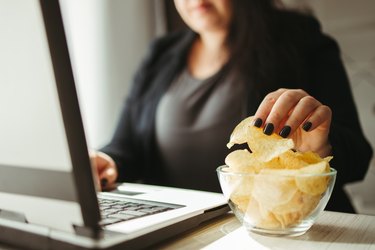
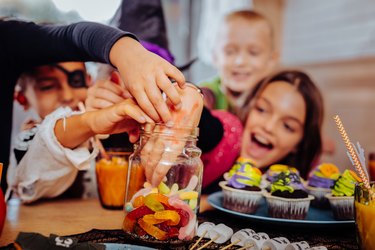
Too-large portion sizes of energy-dense foods are associated with obesity, especially in children, according to the United States Department of Agriculture (USDA) Research, Education and Economics Information System. Measuring out portion sizes of energy-dense foods can help reduce the risk of obesity--and the health problems that come with it--for you and your child.

Potential

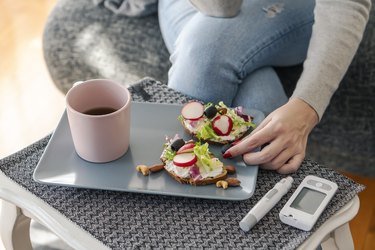
If you're trying to keep up with portion sizes, use a tool like TheDailyPlate.com that will let you set goals, track your progress and keep a record of what you're eating every day. You can also get inspired and borrow ideas from other people with the same healthy eating goals.

References

Article reviewed by M.J. Ingram Last updated on: Dec 25, 2009

Must see: Photo Galleries

Member Comments