























































Foods With High Estrogen Levels

Foods With High Estrogen Levels
Photo Credit Eising/Photodisc/Getty Images

Phytoestrogens are plant-based foods that contain hormone-like compounds which mimic the effect of estrogen in the body. Phytoestrogens, also referred to as dietary estrogens, have been associated with the prevention of certain estrogen-dependent cancers (e.g., breast cancer) as well as alleviating some of the symptoms of menopause. But there is still a strong debate in the medical community on just how effective or risky these plant-based estrogens can be in the treatment and causes of diseases and conditions, so a review of estrogen-rich foods is important.

Soy

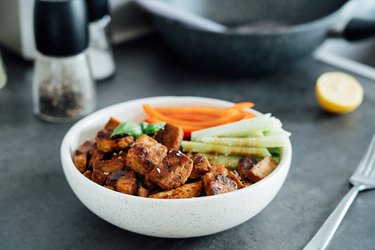
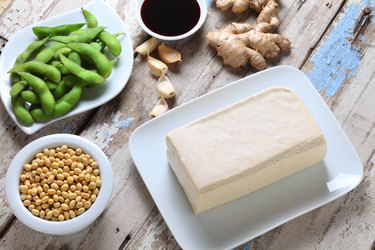
One of the richest and most well-known sources of phytoestrogens found in food is soy. Soy can take on many different forms such as tofu, soybeans, soy milk and tempeh. In addition, vegetarian burgers and vegetarian hot dogs, as well as energy and protein bars, also contain a synthetic form of soy. The quantity of phytoestrogens found in soy products can vary depending on the type of soybean and processing techniques used.

When it comes to nutrition, one 3-oz. serving of firm tofu contains 70 calories and 9g of protein. The Food and Drug Administration recommends eating 25g of soy protein a day.

According to the American Cancer Society, soy's phytochemicals have weak estrogen activity. In animal studies, they have been found to possibly protect against hormone-dependent cancers like breast cancer. The organization suggests that women with breast cancer can consume moderate amounts of soy as part of a healthy plant-based diet, but should not consume high levels of soy or take concentrated sources of soy such as pills, powders and supplements that contain large amounts of isoflavones.

Flax Seeds

Flax seeds are one of the most overlooked sources of dietary estrogen, but according to a study undertaken by Canadian researchers and published in the journal "Nutrition and Cancer," flax seeds have a higher phytoestrogen content than both tofu and soybeans per serving. Flax seeds are also a rich source of omega-3 fatty acids, dietary fiber, protein, vitamins E and B, and the minerals calcium, iron and potassium. Flax seeds can be consumed whole, in a ground meal form or as an oil.

Sesame Seeds

These tiny seeds contain lignans, phytoestrogens that may play a role in the prevention of cancer. Sesame seeds are also rich in calcium, iron, copper, manganese, thiamine and vitamin E. It is best to consume these tiny seeds in a pulverized form in order to receive the full nutritional benefits.

References

Article reviewed by Roman Tsivkin Last updated on: Mar 28, 2011

Must see: Photo Galleries