




































































The intestines typically have a certain amount of bacteria that are able to survive in the environment of the small and large bowel. These bacteria are able to help with the digestive process and are typically not pathogenic. They also serve as a natural barrier for other harmful bacteria by taking up space and resources (like nutrients). However, antibiotic use can kill off these harmless, helpful bacteria which paves the way for other bacteria to come in and "overgrow" the intestines.
Digestive Symptoms
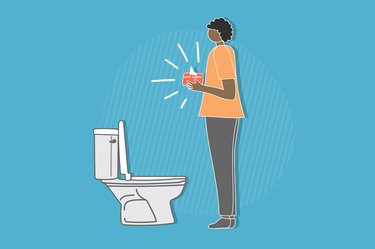
According to MedicineNet, intestinal bacterial overgrowth typically occurs in the small bowel, though it can affect the small intestine as well. As a result, the most common symptoms of bacterial overgrowth have to do with the digestive system. Patients with intestinal bacterial overgrowth typically have problems with intestinal cramps and pain. They may also experience bloating and a sensation of feeling constantly full. Another common symptom is diarrhea which is frequently watery. Constipation can also occur, although this symptom occurs less frequently than diarrhea.
Complications
Chronic bacterial overgrowth in the intestines can eventually cause the intestines to have trouble absorbing nutrients as the inflammation causes destruction of the villi, which are small protrusions that aid in intestinal absorption. According to Medline, over time this can cause patients to become malnourished and to lose weight. Sometimes patients develop vitamin deficiencies, which can lead to anemia, causing the patient to become unusually pale or tired. The malnutrition can also cause dehydration as well as problems with blood clotting, as the clotting of blood typically requires certain vitamins and minerals. This can lead to easy bleeding and bruising.
Severe Symptoms
In very severe cases, intestinal bacteria overgrowth can progress to the point where the harmful bacteria can break down the walls of the intestines and escape. This can cause intestinal perforation which can be very serious as it allows large quantities of bacteria to escape the intestines and to gain access to the rest of the abdomen, where the bacteria can grow freely and quickly. It can cause severe abdominal pain, nausea, and vomiting, as well as a severe fever and chills. When the disease spreads it can cause inflammation of the other organs in the abdominal cavity, leading to pain of the kidneys, pancreas, liver and gall bladder.


