























1. Still Walking
Pneumonia is an infection in your lungs and is usually caused by either a bacteria, fungus or a virus. Some types of pneumonia come from inhaling a liquid or chemical. Pneumonia can be serious if its not treated quickly, especially for those who have compromised immune systems, the very young or the very old. Walking pneumonia is the term used for pneumonia that isn't as serious and allows you to "walk around" with it. Because walking pneumonia often feels like a cold or the flu, many people don't even know they have it.
2. What Are You Complaining About?
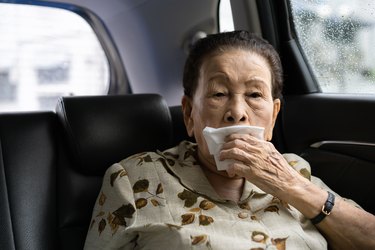
The doctor will diagnose walking pneumonia after doing a physical exam and asking you questions about your chief complaint. Depending on the type of pneumonia it is, the symptoms may vary. For walking pneumonia, the most common complaints are flu-like and include muscle aches and pains, fever, headache and fatigue. A cough may or may not be accompanied by a feeling of tightness in the chest or when breathing in. Most people go to the doctor because they can't get rid of the cough.
3. Listen and Learn
After you tell the doctor your chief complaint, he will listen to your lungs to help in the diagnosis of walking pneumonia. Using the stethoscope, the doctor will listen carefully to both lungs and ask you to breathe in so he can hear if the lungs are making noise. If the lungs make a rumbling sound (rhonchi) when you breathe in or if the doctor hears a crackling or bubbling sound (rales), it is an indication of pneumonia. The sounds are made from thick mucus that forms from inflammation. The inflammation is caused by pneumonia. Other tests the doctor may perform helps determine the type of infection you have and may include blood tests or sputum samples.
4. The Big Picture
Although the doctor may suspect that you have pneumonia, it can't be confirmed without a chest x-ray. The chest x-rays show the presence of fluid in your lungs and it's location. Once the chest x-ray has confirmed the suspected diagnosis of pneumonia, the doctor will start you on antibiotics, antivirals or antifungus medication if necessary. Aside from medication that may be prescribed, the doctor will prescribe rest so your body can heal. Liquids are usually prescribed for all lung infections and pneumonia because liquids help thin lung secretions and make them easier to expectorate. Because walking pneumonia isn't as severe as other pneumonias, you may already be on the mend by the time you visit the doctor.


Member Comments