

































































Diabetic Attack Warning Signs

If you have been diagnosed with diabetes it is important to recognize warning signs of a diabetic attack. High or low blood sugar produces symptoms that require treatment. Low blood sugar is known as hypoglycemia and high blood sugar is hyperglycemia. Low blood sugar must be addressed immediately.

Low Blood Sugar During Sleep

Glucose levels can become too low during sleep. Signs of low blood sugar at nighttime include restlessness, sweating, morning confusion and unusual fatigue, irritability and nightmares. Sweating and nightmares can arouse the individual from sleep. Damp bed clothing or sweating that awakens a diabetic from sleep may be warning signs that an attack of hypoglycemia occurred during sleep. Hypoglycemia can happen suddenly.

Low Blood Sugar: Difficulty Speaking

Hypoglycemia causes changes in mental activity. Difficulty speaking is a warning sign that blood sugar levels are too low.

Low Blood Sugar: Hunger and Weakness

A diabetic attack causes hunger, weakness and trembling.

Low Blood Sugar: Nervousness

When blood sugar levels dip too low epinephrine (adrenalin) is released in the body. Adrenalin surges during a diabetic attack lead to nervousness. The heart rate becomes faster, producing feelings of faintness or dizziness.

High Blood Sugar: Dehydration

A diabetic attack from high blood sugar causes dehydration. Excessive thirst, increased urination, and dry mouth are warning signs that blood sugar levels may be dangerously elevated. Diabetics do not produce enough insulin to keep blood sugar levels normal. Symptoms can progress to diarrhea and vomiting. Weakness and mental confusion from disturbance in electrolyte balance can follow.

Management and Treatment

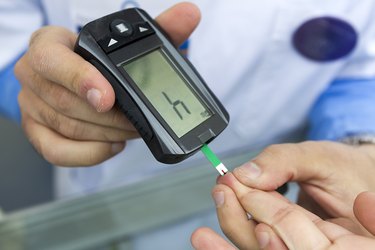
Understanding the warning signs of a diabetic attack from either low or dangerously high blood sugar levels is an important part of diabetes management that can lead to early treatment and prevention of complications. Reversing low blood sugar is simple and must be done quickly. As soon as symptoms appear, it is important to eat foods with sugar, followed by carbohydrates, to maintain blood sugar levels. Diabetics should then check blood sugar level with a glucose monitor, or have a blood test at the hospital. Frequent bouts of hypoglycemia require adjustment of medication and should be reported to your physician. Left untreated, hypoglycemia can lead to seizures, fainting, unconsciousness, coma and death. Treatment of dangerously high blood sugar levels requires hospitalization and close monitoring of glucose levels.

References

Article reviewed by Mona Newbacher Last updated on: Jan 8, 2010

Must see: Photo Galleries