





















Acne & PMS

Acne & PMS
Photo Credit Image by Flickr.com, courtesy of Drew Herron

Every month, women face bloating, crankiness, fatigue and the many other ailments that come along with premenstrual syndrome (PMS). As if those weren't bad enough, acne often flares up during PMS just before a woman's monthly cycle begins. Though this can be frustrating for many women, the link between acne and PMS is not an unbreakable chain. Acne and other symptoms of PMS can be greatly ameliorated with the help of some simple strategies and lifestyle changes.

What Is PMS?

According to the Mayo Clinic, premenstrual syndrome is a condition that occurs in many women one to two weeks before the start of their menstrual period. Symptoms include not only emotional changes such as crankiness, poor concentration and depression, but also physical changes such as headaches, muscle aches and acne. Though the exact cause of PMS is unknown, it is believed to be related to the changing levels of hormones around that time of the month.

Why PMS Causes Acne

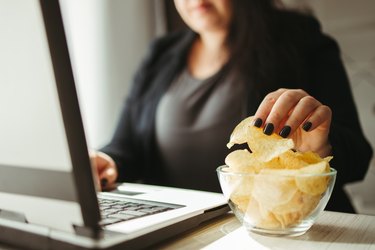
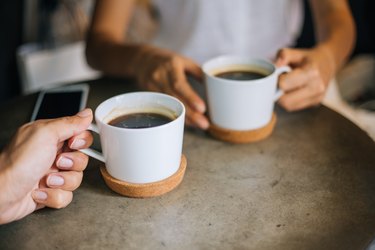
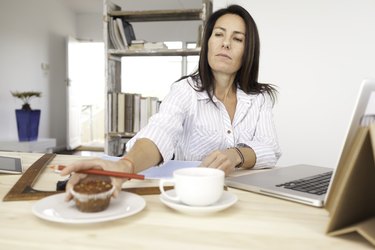
PMS causes flareups of acne in many women for several different reasons. According to the Mayo Clinic, premenstrual syndrome changes hormone levels similarly to during pregnancy or menopause, which can cause skin changes like pimples. Stress caused by PMS may be another cause for acne. The Mayo Clinic states that during PMS, many women crave salty foods, eat excess sugar and salt and drink caffeinated beverages too frequently. Such changes in dietary habits during PMS may also lead to acne.

How to Control PMS

It is possible to control the symptoms of PMS on your own. Since stress can worsen many of the symptoms of PMS, the Mayo Clinic recommends getting plenty of sleep, trying deep breathing exercises and doing yoga for stress relief before and during PMS. Thirty minutes of aerobic activity, like dancing or bike riding, on most days of the week can also ease the symptoms of PMS. The American Academy of Dermatology states that several types of birth control can decrease symptoms of PMS, including acne. This is because some oral contraceptives decrease the amount of sebum, or oil, in the skin, which clogs pores and leads to acne. It is a good idea to talk to your gynecologist about what oral contraceptive is best for you.

Foods for PMS and Acne

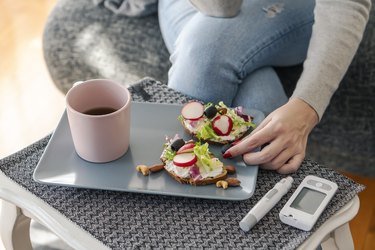
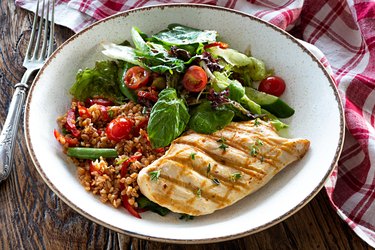
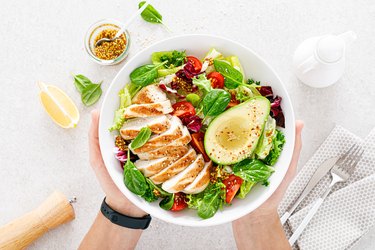
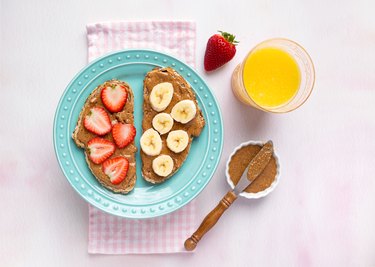
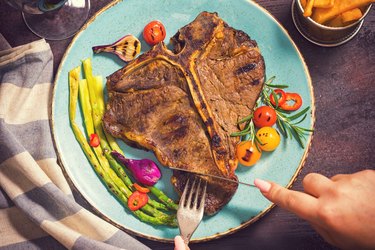
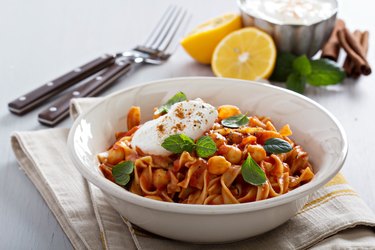
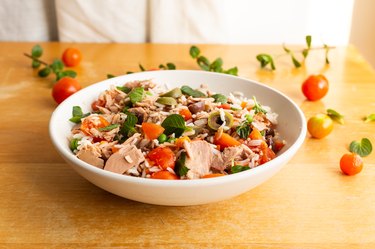
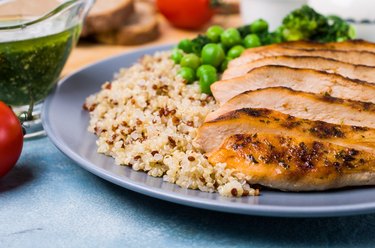
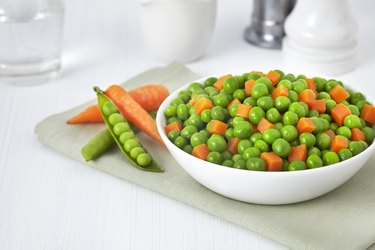
Though many women crave sweet and salty foods during PMS, these can actually make symptoms of PMS worse. The Mayo Clinic recommends decreasing the amount of salt you eat before and during premenstrual syndrome. Instead of eating carbohydrates like chocolate and candy, switch to whole grains and unrefined carbohydrate choices like fruits and vegetables. These changes, along with limiting alcohol and caffeine intake, may clear up your skin during PMS.

Dietary Supplements for PMS and Acne

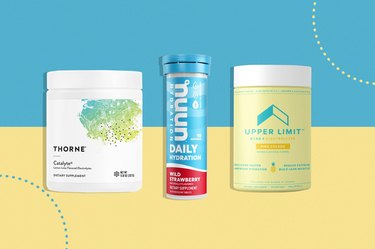
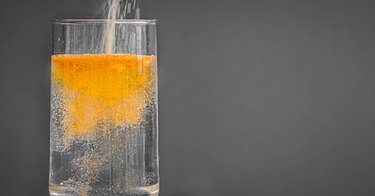
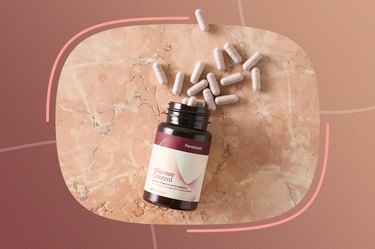
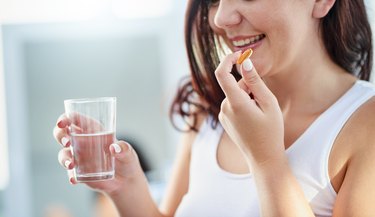
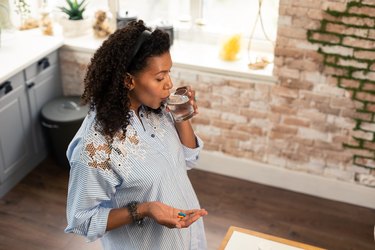
In addition to eating a healthy diet, taking certain dietary supplements can improve the symptoms of PMS, including acne flareups. Magnesium is a dietary mineral that can decrease fluid retention, breast tenderness and other symptoms of PMS. B vitamins, such as vitamin B-6, may help decrease acne during PMS. Certain herbs, such as evening primrose oil, are thought to boost mood while decreasing excess oil in the pores of your skin. It is important to always consult your doctor before taking any herbal or dietary supplements.

References

Article reviewed by Eric Althoff Last updated on: Jan 12, 2010

Must see: Photo Galleries