






































































List of Bone Marrow Diseases

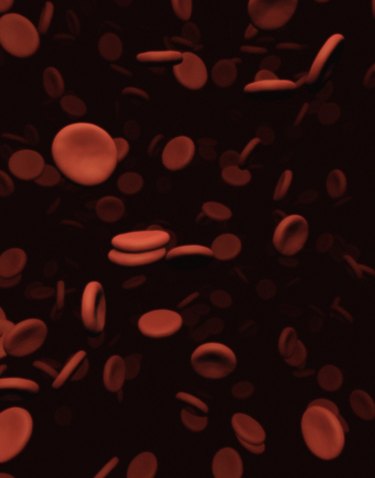
Bone marrow refers to the inner part of the bone where all blood cells are produced. According to the National Institutes of Health, bone marrow can be found in large bones such as the hip and thigh bones. Specifically, it contains stem cells that differentiate into red or white blood cells and platelets. Red blood cells carry oxygen while white blood cells defend the body against infection. Platelets allow for blood clotting. Sometimes the bone marrow may malfunction and cause certain diseases.

Fanconi Anemia

Fanconi anemia is a medical disease in which your bone marrow does not make enough blood cells. When it does produce cells, they are abnormal.
Fanconi anemia symptoms include fatigue, dizziness, a headache, trouble breathing, chest pain and pale skin, says the National Heart, Lung and Blood Institute. It also involves bone marrow failure.
Symptoms of bone marrow failure include easy bleeding or bruising and small spots on your skin (petechiae). Fanconi anemia can also lead to such birth defects as deafness, strangely shaped arms, legs, hips or bones. In children, fanconi anemia can also cause delayed growth, a small head, mental retardation and a low birth weight. It can also cause late-onset menstruation, fertility problems and less-developed sex organs.
A bone marrow transplant is a treatment option available to replace old blood cells with new ones. Androgens (synthetic male hormones) can increase red blood cells and platelet levels. Synthetic growth factors can be used to increase red and white blood cells while surgery can be used to provide more functionability to the limbs, the National Heart, Lung and Blood Institute says.

Polycythemia Vera

Polycythemia Vera (PV) is a condition in which your bone marrow makes excessive amounts of red blood cells. The National Heart, Lung and Blood Institute says PV causes your blood to be extremely thick. In fact, this can increase your risk of developing blood clots, a heart attack and stroke.
Symptoms of PV include a headache, weakness, dizziness, blurry vision, blind spots, fatigue and weight loss. PV can also cause trouble breathing and bleeding of your gums.
Phlebotomy, certain medicines and radiation can be used to treat PV, the National Heart, Lung and Blood Institute reports. Phlebotomy refers to getting 1 pint of blood removed every week to decrease the viscosity of your blood. A physician will check the red blood cell levels to see if they are normal. Drugs such as hydroxyurea and interferon-alpha can be used to prevent your bone marrow from making excessive numbers of red blood cells. Radiation uses intense level energy X-rays to stop your bone marrow from making numerous red blood cells.

Myelofibrosis

According to the Mayo Clinic, myelofibrosis is a condition in which scar tissue forms within the bone marrow. This typically occurs in people who are older than 50. Signs of myelofibrosis include a large liver (hepatomegaly), easy bleeding or bruising, excessive infections, pale skin, fatigue, shortness of breath, bone pain and night sweats. Treatment involves blood transfusions to elevate your red blood cell counts. Androgen therapy, radiation or chemotherapy and stem cell transplantation are other options to treat myelofibrosis. Sometimes the spleen can also be removed or your doctor may prescribe the drug thalidomide with steroids, the Mayo Clinic says.

References

Article reviewed by M.J. Ingram Last updated on: Jan 22, 2010

Must see: Photo Galleries