






































































Creatinine, also known as creatine, has received a lot of attention in the past few years because of athletes discovering its ability to deliver more power to the body during strenuous activity. Creatine is a natural element stored in muscle cells that provides energy to the muscles. At a cellular level, the compound is produced from amino acids that are created as we digest our food.
Creatine and You
Creatinine is made in the liver, kidneys and pancreas. It is the result of a chemical reaction between the amino acids arginine, glycine and methionine. The amount of creatinine we have in our system often has to do with the amount of muscle tissue we have, with men generally having higher amounts than women.
Increasing our Creatinine Levels
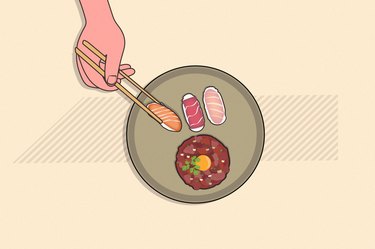
The most natural source for obtaining creatinine is meat and fish. Eating raw fish such as tuna, salmon and mackerel in the form of sushi or sashimi is a great way to get a pure dose of the compound. Additionally, raw fish contains omega-3 fatty acids, which are excellent antioxidant boosters for the body. Fish also helps with creatinine synthesis because it provides a high amount of the necessary amino acid, methionine.
Approximately two pounds of raw fish or meat equals five grams of pure creatinine monohydrate powder. After these foods are heated, the creatinine becomes less efficient as it loses its essence. Vegetarians who are not getting the benefit of fish or meat do best to get their extra creatinine through supplements.
Creatinine Content
Focusing on the right kind of nutrition to increase your creatinine level can help create an extra energy reserve within your muscle cells, helping you improve muscle function. If you are involved with resistance training or any type of hardcore sport, extra creatinine can improve performance by increasing lean muscle mass and assisting in muscle leverage.
Overdosing on Creatinine
Too much creatinine can be harmful to the kidneys, however. When the kidneys are overloaded, toxins can accumulate in addition to the creation of other problems. Side effects such as dehydration, weight gain, cramps, nausea and diarrhea are other symptoms of too much creatinine in the system.
Word to the Wise
Studies show that taking 20 grams of creatinine a day for several days will help increase levels in the muscles by 20%. This percentage can then be sustained by taking 3 grams thereafter. Supplements can be taken as powder, liquid or capsules. This being said, it is advisable that you discuss dosage with a healthcare professional, especially given the possibility of overdosing or of interactions with any medicine that you may be taking.


Member Comments