

















































Ovarian cancer is caused by malignant, or cancerous, cells that develop on the ovaries. Common risk factors include family history of ovarian cancer, age, infertility, hormone treatments and obesity. Early detection is critical for best prognosis and many medical treatments are available. Though some risk factors cannot be controlled, others can, such as implementing healthy dietary lifestyle that promotes weight management. According to the American Cancer Society, a diet rich in certain healthy foods may help prevent or reduce the severity ovarian cancer.
Vegetables
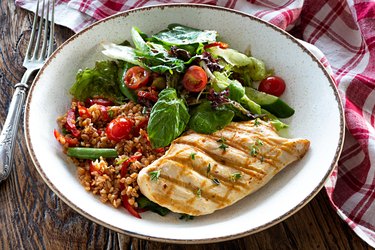
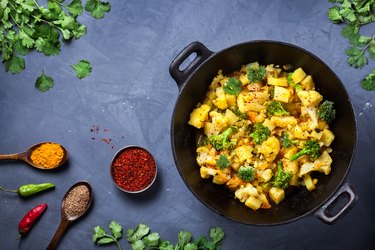
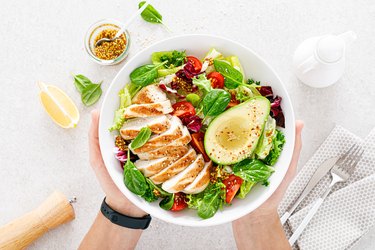
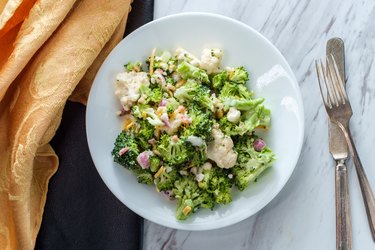
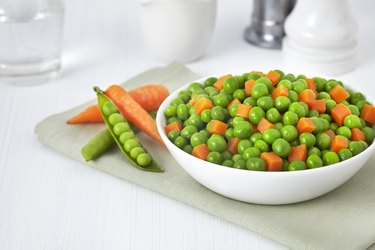
Vegetables contain a variety of helpful nutrients, including antioxidants that help reduce free radicals--potentially cancer-causing cells in the body. Research summarized by the American Cancer Society in July of 2003 indicates that women with ovarian cancer who consume a vegetable-rich diet have a better chance of survival than those who do not. Colorful vegetables such as spinach, kale, mustard greens, broccoli, tomatoes and carrots are particularly encouraged as they contain high levels of antioxidants. If you have ovarian cancer, or are at risk, the American Cancer Society suggests five or more servings of vegetables and fruits daily for best results.
Whole Grains
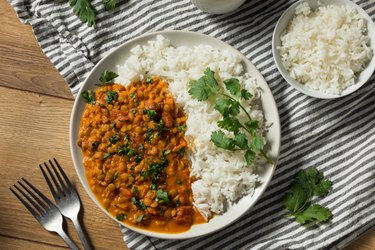
Whole grains are nutritious carbohydrate options that provide an array of vitamins, minerals and other nutrients, such as antioxidants and dietary fiber. Whole grains also provide phytochemicals, which are plant-based nutrients known for their high content of helpful nutrients. According to Oregon State University, phytochemicals are associated with reduced ovarian cancer risk. Seek a variety of whole grains such as oats, barley, spelt, rye, brown rice and whole wheat, to reap broadest dietary benefits. Replace enriched grains, such as white flour and sugary cereals and desserts, with whole grain foods most often, as processed grains provide little nutritional value and are not correlated with cancer prevention.
Soy
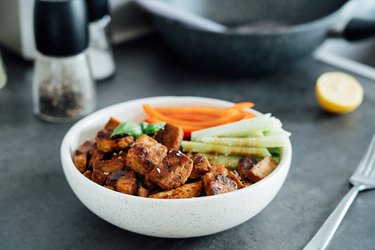
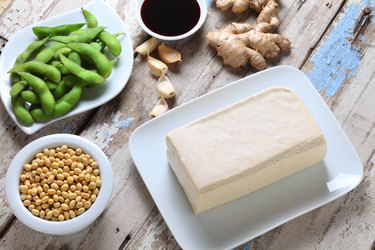
Soy foods are created from soy beans. According to accumulative studies published by the Ovarian Cancer National Institute (OCNI) diets rich in soy may reduce the risk of ovarian cancer. Foods rich in soy include soy beans, soy milk, soy yogurt, tofu, soy burgers, soy-based protein powders and soy nuts. Soy foods offer valuable amounts of protein, dietary fiber, B vitamins and omega-3 fatty acids--essential fats the body cannot produce on its own. Incorporate soy-based foods into your diet regularly to reap maximum nutritional benefits. Diets rich in soy have been associated with increased risk for breast cancer, so if you are at heightened risk for breast cancer, talk with your doctor prior to incorporating soy into your dietary lifestyle for best results.


