




































































Bipolar disorder, also known as manic depression, is a serious mental health disorder that can have significant negative impacts on a person's life. It's characterized by severe highs and lows known as mania and depression to mental health professionals. A person with this disorder experiences extreme changes in his mood and may need a lifetime of treatment.
Therapy and Medication
Two of the most recommended forms of coping with bipolar disorder are therapy and medication. People with this disorder have a risk of suicide and participating in high-risk behaviors such as having unprotected sex and using high amounts of illegal drugs. Due to the seriousness of the disorder, people should work with a mental health professional and a doctor to devise an individual treatment plan to cope with the disorder and reduce the symptoms of major depression and mania. Mood stabilizers are the most common form of medication used to treat bipolar disorder.
Relationships and Support
According to the Mayo Clinic, it's important to stay away from unhealthy relationships. This means that a person with this disorder should get out of abusive relationships and surround herself with positive people. Someone with this disorder should get support from her friends and family members. Family members can and should be a part of therapy. They should learn how to recognize signs of depression and mania and be able to intervene when they see the first signs that the disorder is getting worse.
Healthy Habits
It's important for everyone to have healthy, daily habits such as getting eight hours of sleep and exercising on a regular basis. However, it's even more important for someone struggling with a mental health issue such as bipolar disorder. It will help to decrease the symptoms of the disorder and prevent episodes of depression and mania from flaring up. If someone with this disorder has problems falling asleep or staying asleep, she should talk to her mental health provider and doctor.
Stress Reduction
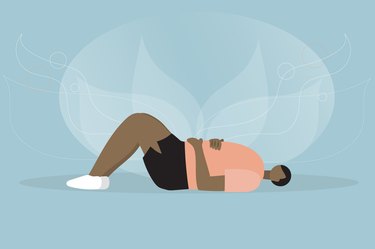
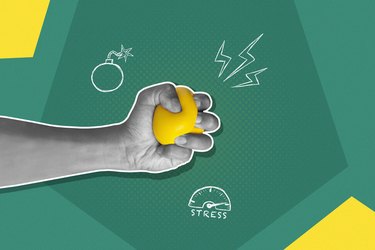
The symptoms of bipolar disorder or episodes of mania and depression can be triggered by stress. Someone with bipolar disorder should work on preventing and decreasing her level of stress on a regular basis. To prevent stress, she should do at least one thing each day that helps her deal with stress such as eating lunch with friends, reading a good book or practicing yoga. Also, it's important that someone with bipolar disorder learn how to decrease stress during stressful times such as sitting in traffic or before a job interview. Some ways to reduce stress include taking a brisk walk, focusing on one's breath, using visualization or progressive muscle relaxation techniques or meditating.


