































































Skin wounds can occur from a variety of injuries, including trauma and burns, surgical incisions, pressure ulcers or ulcerations due to a chronic condition such as vascular disease or diabetes. Proper nutrition is crucial for healing wounds.
Adequate Calories
Adequate calories are necessary to supply the extra energy needed to heal wounds and fight infection. Calorie needs are raised to a minimum of 30 to 35 calories per kilogram of body weight. One kilogram equals 2.2 pounds. Adding nutrient dense foods, such as those high in protein and vitamins and minerals is preferred over simple addition of calories through sources such as excess sugar and fat. Oral nutrition supplements such as Ensure can provide additional calories if the appetite is poor.
Protein
Protein is a key nutrient for the healing of wounds. It is needed to build new tissue in order for the wound to close. Protein is also a key nutrient in fighting an infection that may occur as a result of bacteria entering the open wound. A target goal for protein in wound healing is 1.2 grams for each kilogram of body weight, or a minimum of 75 to 100 grams a day.
Vitamin C
Vitamin C is necessary for collagen synthesis. Collagen is a skin protein that provides structure. Vitamin C is also an essential component of the immune system and can help the body fight an infection. The RDA for a healthy adult is 60 to 75 milligrams per day. This is increased in wound healing to 100 to 200 milligrams from sources such as citrus fruits or fruit juices, tomatoes, potatoes and dark green vegetables. If food sources aren't sufficient to meet this need, vitamin supplements should be considered.
Vitamin A
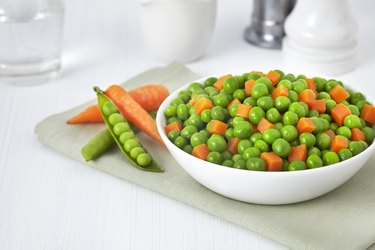
Vitamin A is a component of the epithelial layer of the skin. At least one serving of a high vitamin A food is encouraged each day, particularly orange fruits and vegetables such as carrots and sweet potatoes, dark green leafy vegetables and fortified dairy products. Foods high in vitamin A also typically provide antioxidants, which can help regulate the inflammatory process that occurs as a result of the broken and damaged skin. Care should be taken when using vitamin supplements, as vitamin A has been shown to be toxic at high doses.
Zinc
Zinc works together with protein for the synthesis of new skin tissue to heal and close the wound. It is also an essential factor in enzyme activity in the body. Zinc is a mineral that is found in most lean meats, poultry and shellfish. For wound healing, aim for at least 15 to 25 milligrams each day.


Member Comments