



































































About Monosodium Glutamate

About Monosodium Glutamate
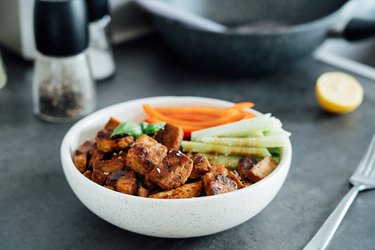
Photo Credit Chinese noodles and fried beef within bowl close-up image by Roman Sigaev from Fotolia.com

Monosodium glutamate, also known as MSG, is a chemical substance that is widely used in prepared foods to enhance flavor. It is derived from glutamate, a naturally occurring substance found in foods like meats and dairy products that impart a savory flavor. Controversy surrounds the use of MSG as a food additive, as it has been implicated as the cause of a host of adverse reactions.

History

MSG was discovered in 1908 by a chemistry professor at Imperial University of Tokyo named Kikunae Ikeda. While studying the use of seaweed in Japanese cooking, he identified monosodium glutamate as the primary constituent that made foods with seaweed taste better. Ikeda determined that monosodium glutamate is detectable as a taste separate from the four previously known flavors. He gave this fifth taste the name "umami" which, roughly translated, refers to a sense of savory flavor. Not long after, MSG was put into production and developed as a food additive. It continues to be used as such to this day.

Production

Originally, monosodium glutamate was produced by extraction from wheat gluten, which can be up to 25 percent MSG. This was a relatively expensive process and was later abandoned in favor of the fermentation process where bacteria convert molasses to 1-glutamic acid. This is then neutralized with sodium hydroxide to produce MSG.

Effects On Taste

MSG has little taste by itself. When added to savory foods, however, MSG interacts with taste receptors in the mouth to enhance the flavor of other foods. It can increase the umami factor by as much as eight times. This effect can also be achieved when food is prepared with ingredients that are naturally high in glutamate, such as mushrooms, tomatoes or cheeses.

Uses

Monosodium glutamate harmonizes well with a variety of flavors already present in many foods and is primarily used as a flavor enhancer for savory foods. It is frequently found in canned vegetables, soups, stews, processed meats and snack foods. MSG is also a used in the preparation of Chinese food, seafood, meats and poultry.

Adverse Reactions

While the Food & Drug Administration has classified monosodium glutamate as being generally recognized as safe, anecdotal evidence points to possible side effects of MSG ingestion. These symptoms may include headaches, flushing and sweating. More severe symptoms such as facial pressure, tightness or numbness, rapid or irregular heartbeats, chest pains, weakness and nausea have also been reported. No direct connection between these symptoms and MSG has yet been documented.

References

Last updated on: Apr 26, 2011

Must see: Photo Galleries

Member Comments