








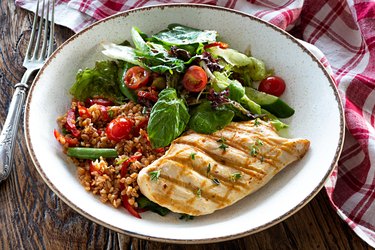









































A healthy diet consists of foods from all of the food groups. Some foods provide more nutritional benefits than others. Ask 10 nutrition professionals, and you will probably get 10 different lists, but at least one of the following foods would be on all of their lists. These foods contain essential nutrients that you need, including vitamins, minerals, phytonutrients, essential fatty acids, fiber and more.
Eggs
One egg has 13 essential vitamins and minerals for only 70 calories. They are an excellent source of choline and a good source of riboflavin. Eggs are an affordable source of high-quality protein including all nine essential amino acids, as well as healthy unsaturated fats. Lutein and zeaxanthin, two antioxidants that contribute to eye health, are also found in eggs.
Onions
Onions, like garlic, are members of the allium family. Their health benefits include lowering blood cholesterol levels and blood glucose levels. They support gastrointestinal health, have anti-inflammatory properties and have been shown to help decrease the risk of several types of cancers.
Walnuts
One of the richest plant sources of omega-3 polyunsaturated fatty acids. This is a special type of protective fat the body cannot manufacture on its own and must come from the diet. Walnuts are also a good source of the minerals manganese and copper. In addition, walnuts contain the antioxidant phytochemical, ellagic acid.
Yogurt
Other than being an excellent source of calcium, vitamins and protein, yogurt offers the much needed probiotics into our diet. Probiotics are considered the good bacteria that can aid the immune system through the intestinal tract.
Berries
Berries contain a large amount of antioxidants and are rich in folic acid and vitamin C. You might be surprising to find that a serving of strawberries has even more vitamin C than an orange. Their edible skins are packed with concentrated phytonutrients, which are regarded as the best food sources of antioxidants.
Wild Salmon
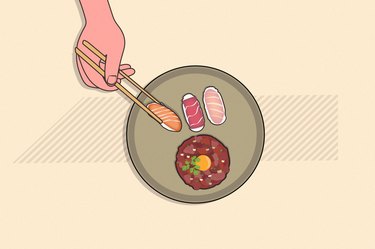
Registered dietitian Peggy Tsevis says wild salmon provides protein and essential omega 3s and immune-enhancing Vitamin D. The omega-3 fats in fatty fish such as salmon can help reduce the risk of heart disease. Wild-caught salmon has less PCB contaminants than farmed salmon.
Kiwi
At approximately 50 calories per kiwi, these oval-shaped fruits are vitamin C superstars. Two kiwis have twice the vitamin C of an orange, and they are also rich in potassium and loaded with dietary fiber.
Quinoa
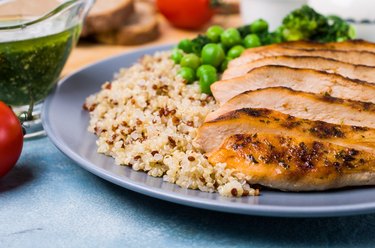
Even though quinoa considered a whole grain, it is really the seed of a plant that's related to spinach and beets. Pale yellow in color, quinoa has more calcium and iron in it than rice, wheat or oats. It is gluten free and contains more protein and fiber than other grains. Cooked like white or brown rice, quinoa is added to boiling water and then simmered in a covered saucepan for about 15 minutes.
Beans
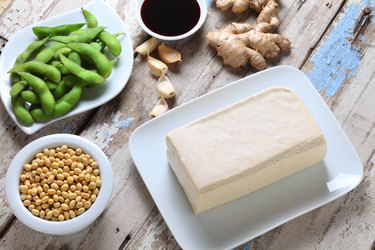
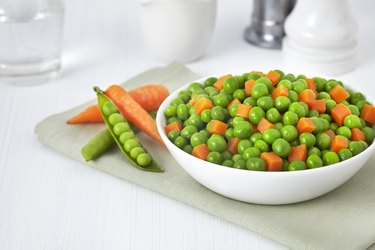
Beans are excellent sources of B vitamins and protein. They are low in fat, a rich source of a variety of proteins, inexpensive and widely available. They provide twice as much protein per serving as cereal grains. Beans are also a good source of iron and zinc particularly for vegetarians who do not add meat to their diets. The combination of beans and cereal grains provide us all the amino acids that our body needs daily.
Tea
Red, white, black, green, herbal, oolong, rooibos, are just a few. Found all over the world, teas are full of antioxidants that attack free radicals in the body to help ensure protection against a host of diseases.


Member Comments