





































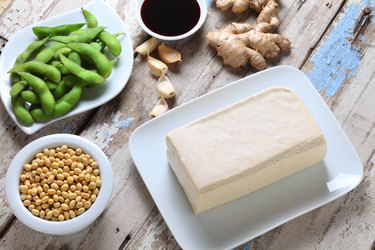





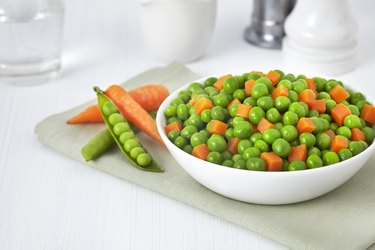
There is no standard definition for a whole food diet, and the term can mean different things to different people. For some, it is synonymous with a raw food diet, in which followers eat only foods in their pure, unadulterated forms. Generally, a whole food diet is a diet that consists of all or mostly whole, unprocessed or minimally processed foods. These foods can be organic, although they don't have to be, and they can be cooked or eaten raw.
Goals
Strive to include as many unprocessed foods as possible in a whole food diet. Followers of the diet--as well as many nutritionists, dietitians and doctors--believe that the nutritional value of a food can be compromised as it is processed and refined. The primary goal of a whole food diet is to eat foods that are as close to their natural state as possible and to avoid highly processed foods. Dr. David Katz of EmpowHer recommends eating foods that are easily identifiable and easily traced back to their origins on a farm or field.
Composition
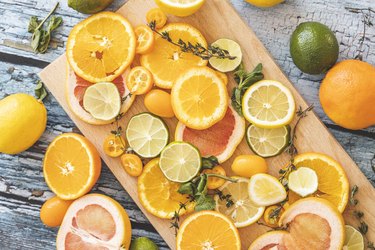
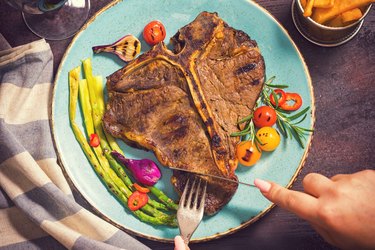
Include a variety of fresh fruits, vegetables and whole grains in a whole food diet. The Mayo Clinic recommends using nuts, seeds, beans and legumes for protein, and meat eaters can also include lean cuts of meat. Kitchen Table Medicine lists a number of whole grains that are fit for the diet, including amaranth, barley, brown rice, buckwheat, bulgur, couscous, quinoa, oats, cornmeal and rye. Round out a whole food diet with plentiful servings of fruits and vegetables of all kinds.
Meal Plans
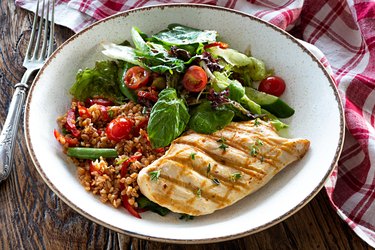
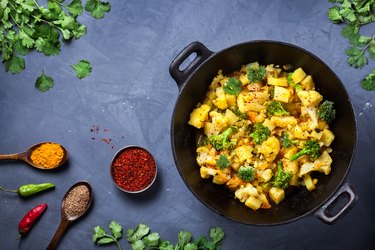
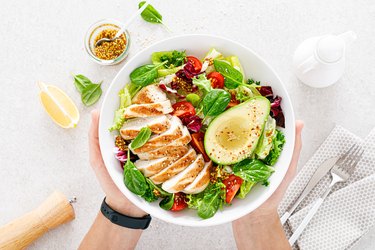
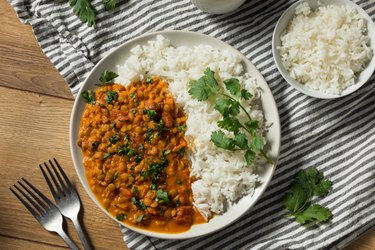
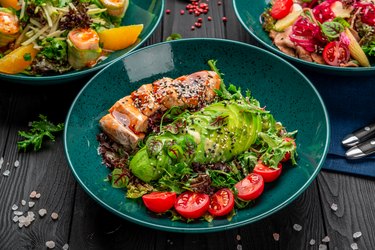
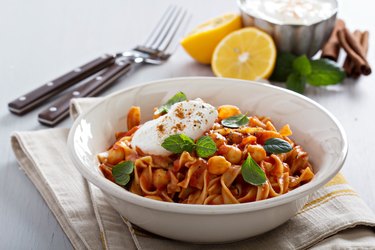
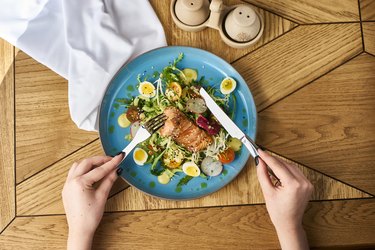
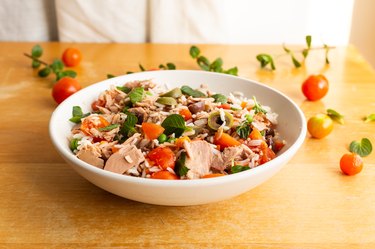
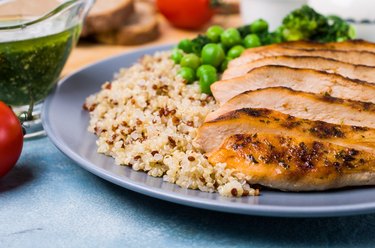
Combine raw or cooked fruits and vegetables with whole grains and low-fat dairy products to form balanced whole food meals. Milk or yogurt with cooked oats or rice and chopped fruit makes a good breakfast on the diet. A lunch might be fruit salad or vegetable salad served with a cooked whole grain and sliced meat or nuts. For dinner, a whole food diet would call for a meal rich in vegetables and grains, such as a vegetable stir-fry or a curry with natural broth or coconut milk. Desserts are frowned upon in the whole food diet, because they use refined ingredients and have little nutritional value.
Cooking
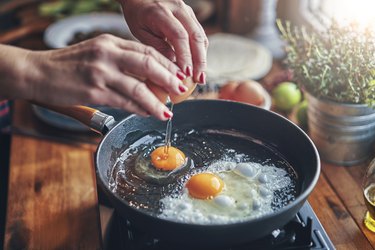
Combine whole foods by cooking them into a single dish. As long as you avoid processed foods and refined products in your dish, it's permissible in the whole food diet. Some raw food enthusiasts and whole food diet followers believe that cooking lessens a whole food's nutritional properties, and they choose to eat their foods raw or use juicers and processors to prepare them. However, most foods retain the majority of their nutrients and vitamins when they are cooked.
Risks
Avoid nutritional and vitamin deficiencies in a whole food diet by making sure that you choose items from each food group. Eat a great variety of fruits, vegetables, whole grains, dairy products and meat for the maximum nutritional value. When you follow the whole food diet closely, it carries no significant risks.


Member Comments