







































A Protein Diet Plan for Women

A Protein Diet Plan for Women
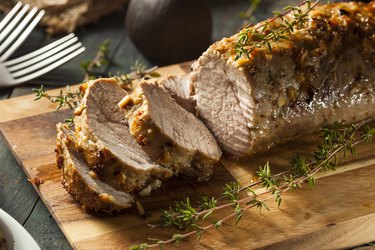
Photo Credit roasted chicken #2 image by AGphotographer from Fotolia.com

A protein diet plan can be beneficial for women who want to lose weight, eat according to their metabolic type, or simply know the healthiest sources of protein to choose at the grocery store. The amount of protein needed varies--but all women can benefit from following a protein diet plan including lean sources of protein providing essential nutrients for optimal health.

Types of Protein Diets

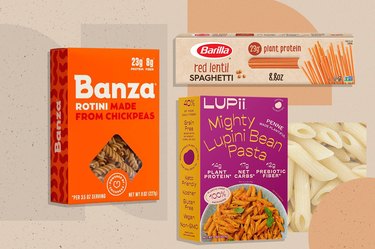
High protein diet plans (also referred to as low-carb diets) are designed to promote rapid initial weight loss. These diets restrict carbohydrates such as breads, potatoes, pasta and foods containing refined sugar.

Protein diet plans for women who are fast oxidizers (metabolic protein types) are also low-carb in nature. In order to achieve better metabolic balance and optimize energy production, fast oxidizers need to consume less carbohydrates and more proteins and fats as compared to other metabolic types, according to MetabolicTypingOnline.

Diet plans including proteins along with a balanced mix of carbohydrates and healthy fats plus regular exercise are recommended by the American Heart Association to adequately meet nutritional needs, achieve weight loss and prevent cardiovascular disease.

Types of Proteins

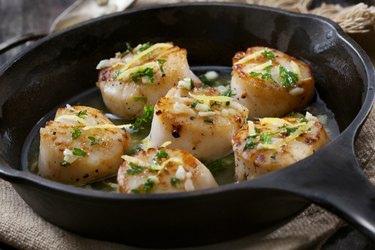
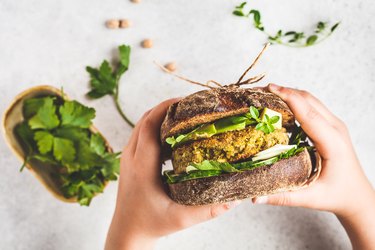
Protein diet plans for women should primarily include complete lean proteins supplying enough of the essential amino acids needed by the body. Complete protein sources include meat, fish, eggs, dairy products and some plant protein sources such as quinoa, buckwheat and soybeans.

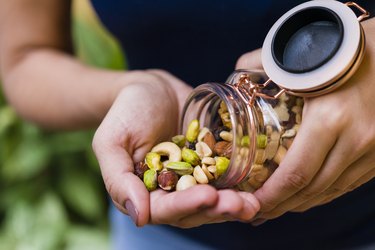
Incomplete protein sources such as grains, beans, nuts and seeds do not supply all the essential amino acids needed by the body but should still be included in a diet plan as they provide women with many healthful nutrients.

Protein Superfoods

An optimal protein diet plan for women should include protein "superfoods" densely charged with nutritional elements such as calcium, iron, fiber and omega-3-fatty acids.

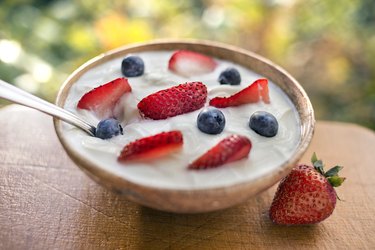
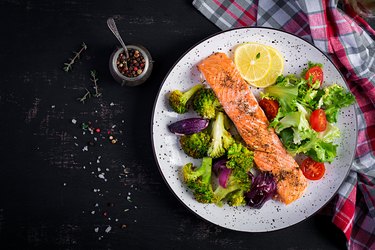
Superfood protein choices include beef tenderloin, chicken and turkey breast, wild salmon, water-packed tuna, egg whites, nuts, tofu, beans, low-fat yogurt, cottage cheese and whey protein powder.

Protein Intake

Protein plans for women should be designed based on age, health and lifestyle. As a general recommendation, protein should constitute 10 to 35 percent of total caloric intake, according to The National Academy of Sciences.

The Food Pyramid, developed by the U.S. Department of Agriculture, suggests two- to three-ounce servings of meat, fish or poultry be consumed two or three times daily.

Fitness model Tosca Reno, author of "The Eat-Clean Diet," advocates a daily total of 46 grams of protein for women who are sedentary; 56 grams for women who weight train; and one gram of protein per pound of body weight for women trying to build muscle. Women who are pregnant or nursing and athletes may need more protein than those who are less active.

Benefits

Eating quality proteins at every meal can help women lose weight by slowing down digestion and insulin production, thus making it easier for the body to break down and use stored fat for energy, explains Deborah Friedson Chud, M.D., author of "The Gourmet Prescription." Weight loss can reduce the risk of conditions associated with obesity, including high cholesterol and cardiovascular disease, according to the American Heart Association.

Women who eat protein-rich foods and exercise regularly can also reduce their risk of developing osteoporosis by preserving muscle mass as they age, according to researchers at the University of Nottingham in the UK and Washington University School of Medicine.

References

Article reviewed by AnnF Last updated on: May 3, 2011

Must see: Photo Galleries

Member Comments