






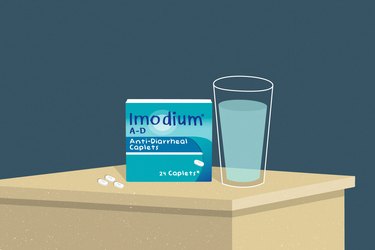

































































Diarrhea consists of increased amounts and frequency of bowel movements. According to the Milton S. Hershey Medical Center (MSHMC) at Penn State University, typical diarrhea tends to be mild and short-lived. In the case of chronic diarrhea, symptoms are severe and persist for more than 23 weeks. Since diarrhea can lead to dehyration, malnutrition and other negative consequences, proper examination and care from your doctor are key.
Irritable Bowel Syndrome
Chronic diarrhea that contains undigested food may be a symptom of irritable bowel syndrome (IBS), a disorder of the lower intestinal tract. Additional symptoms of IBS can include abdominal pain, swelling, chronic or frequent bouts of constipation (between bouts of diarrhea), emotional stress and loss of appetite. If you experience chronic diarrhea and any number of these signs, discuss your symptoms with your doctor to determine whether you have IBS. If you have been diagnosed with IBS and experience diarrhea, MSHMC suggests drinking plenty of fluids and consuming starchy foods, such as rice or mashed potatoes, as they may be more easily digested while experiencing diarrhea. When symptoms persist or worsen, medical attention is recommended.
Celiac Disease
Celiac disease is a digestive disease that causes harsh reactions when gluten, a protein found in wheat and other grain-based products, is consumed. According to the National Digestive Diseases Information Clearing House, chronic diarrhea is a common symptom of the disease, particularly in children with the disorder. Additional symptoms might include abdominal pain, bloating, constipation, pale or fatty stool or weight loss. Celiac disease tends to run in families, so if a relative has the illness, you may stand at heightened risk. If left untreated, celiac disease can cause damage to the digestive system and result in poor absorption of nutrients, particularly when food particles are lost through diarrhea or vomiting. If you suspect your symptoms of chronic diarrhea may correlate to consumption of foods containing gluten, seek proper testing and guidance from your doctor.
Crohn's Disease
Crohn's disease is a bowel disease that causes inflammation in the intestinal tract. Chronic diarrhea is a common symptom of Crohn's disease, with or without omitting undigested food particles. According to the University of Maryland Medical Center, additional symptoms may include bloody or watery diarrhea, abdominal pain, fever, and lack of appetite. Symptoms of Crohn's disease come and go throughout a person's life. However, symptoms may be reduced or prevented with proper treatment. Those who are of Jewish or Scandinavian descent, smoke, have history of the disease in their family or who consume diet high in saturated fats and sugars and low in fruits and vegetables are at increased risk for Crohn's disease. If you suspect Crohn's disease is causing chronic diarrhea or related symptoms, seek proper testing from your doctor.


