





























What Foods Are Highest in Iron for Those With Anemia?

What Foods Are Highest in Iron for Those With Anemia?
Photo Credit oyster image by Filip Mazurek from Fotolia.com

Iron deficiency anemia occurs when there is not enough iron in your red blood cells. This is a common problem that can result from pregnancy, blood loss (including heavy menstruation), a low iron diet, or poor absorption of iron by your body. If your blood iron level is low, increasing iron-rich foods in your diet can help.
There are two types of iron: heme-iron, which is found only in meat, fish and poultry and is more easily absorbed by your body and non-heme iron, which is found in plant foods and is not as easily absorbed. Eat foods that contain vitamin C to boost absorption of non-heme iron.
The Institute of Medicine's Dietary Reference Intake for iron is as follows: 8 mg per day for men over 18 and post-menopausal women, 18 mg per day for pre-menopausal women who are over 18 and 27 mg per day for pregnant women.


Meat

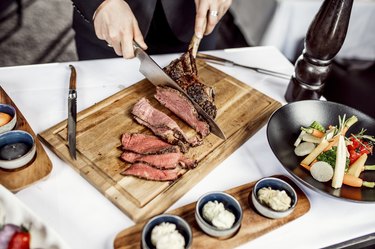
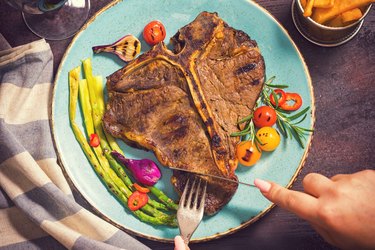
Choose lean cuts of darker meats to optimize your iron intake. Generally, the darker the meat, the more iron it contains. Comparing 3-ounce servings, beef liver provides the most iron (about 4 mg) and is followed by other cuts of beef (about 2 mg), and then dark meat poultry (about 2 mg), pork (about 1.5 mg) and finally light meat poultry (about 1 mg).

Fish and Shellfish


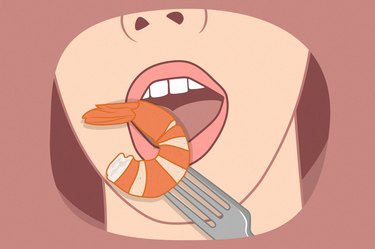
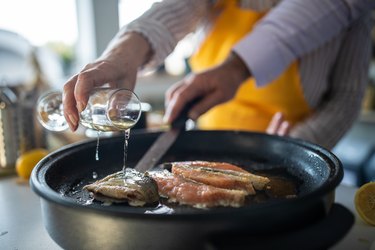
Oysters are one of the few foods that trump beef liver when it comes to iron content (about 5.5 mg per 3-ounce serving). Clams, shrimp and sardines also provide a hearty dose. White fish and salmon contain smaller amounts, comparable to the iron content of light meat poultry.

Legumes

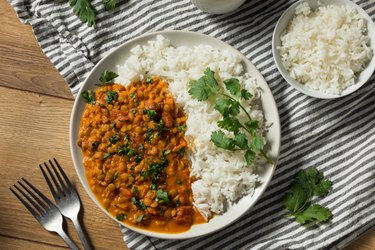
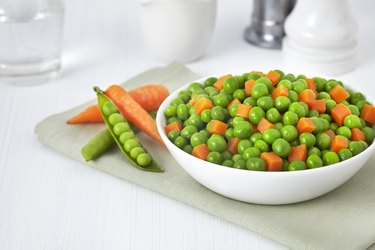
Many legumes provide iron. Comparing half-cup servings, the best sources include: lentils (about 3 mg), kidney beans (about 2.5 mg), lima beans (about 2.2 mg), black beans (about 1.8 mg), pinto beans (about 1.8 mg) and peas (about 1 mg). Remember, legumes contain non-heme iron that is more difficult for your body to digest. Add foods high in vitamin C, such as red peppers or citrus fruits, to your meal to boost absorption.

Leafy Greens

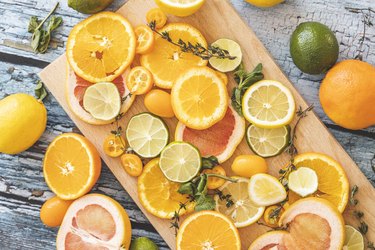
Spinach provides the most iron in the leafy green family (about 3.2 mg per 1/2 cup cooked serving). Next in line are Swiss chard (about 2 mg), beet greens (about 1.4 mg) and kale (about 0.5 mg). Squeeze a lemon on your greens to add vitamin C and boost absorption.

Enriched or Fortified Foods

Many cereals and grains are iron fortified. A quick check of the label on pasta, bread, instant oatmeal and breakfast cereal will highlight if iron has been added to a product.

References

Article reviewed by ReneeH Last updated on: Mar 23, 2010

Must see: Photo Galleries