


































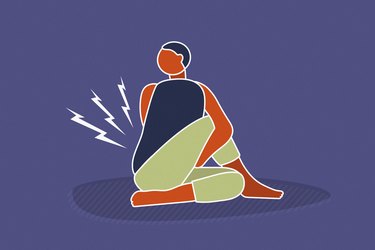



























Pulled hamstrings don't discriminate between world-class sprinters and recreational runners. The hamstring muscle runs down the back of each thigh, crossing the knee and lower leg. While running, the muscle lengthens and contracts to keep the knee from overextending. Weak or inflexible hamstrings can be pulled or strained, resulting in a sharp, stabbing pain in the back of the thigh. Depending on the grade of strain, recovery usually takes a week to two months. A conservative approach to rebuilding mileage and pace is advisable because this injury has a tendency to recur.
Step 1
Walk 10 to 15 minutes without muscle pain or tightness before transitioning to running. When finished, gently stretch and ice for 10 to 15 minutes. Do not apply ice directly to the skin; use a pack or bag of ice. Supplement this workout with cross-training that won't tax your hamstrings, such as swimming or stationary cycling if tolerated.
Step 2
Add backward walking or running to your workout. This action loads your hamstrings less than running forward. Incorporate 50 yards of backward running for every five minutes of walking. This should not be sprinting, but an easy jog on a flat surface.
Step 3
Introduce running a short distance. Initial runs should follow 10 to 15 minutes of walking or slow jogging. Do not jump back into mileage at the same pre-injury rate. For instance, if a normal daily run is five miles, consider starting at a mile and taking an extra rest day each week.
Step 4
Add miles slowly. Don't worry if your first week back mileage has been cut by 50 percent or more. Running pain-free trumps mileage. Experienced distance runners with a solid weekly base can rebuild mileage a bit faster. Those in marathon training should shorten long runs initially so that the hamstrings can handle the load.
Step 5
Reintroduce speed and hills. Don't head to the track or do hill repeats until running has been pain-free for a few weeks. Much like rebuilding mileage, take a conservative approach. If you have regained your base and can run comfortably at race pace, then consider resuming track work. Hills can irritate the hamstrings, so consider cutting back on the number of repeats initially.
Tips and Warnings
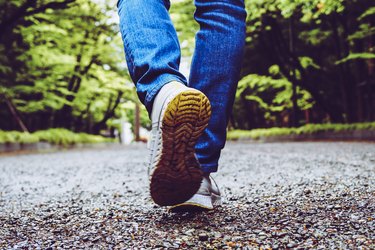
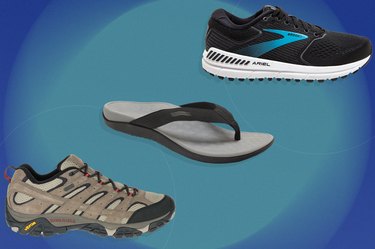
- Once strained, the muscle could be at increased rate for reinjury, so check your shoes to make sure they are in good condition. Gentle stretching of the hamstring and quadriceps can be done in conjunction with strength training in these areas to minimize chance of future injury. Sports massage can increase blood flow to the injured area.
- Ibuprofen may aid recovery and can be taken in the days following an injury; however, do not take it prior to running in order to "run through" an injury.
Things You'll Need
- Ice
- Running shoes
- Watch


Member Comments