






































































What are the Causes of Dizziness from Inner Ear Bones?

What are the Causes of Dizziness from Inner Ear Bones?
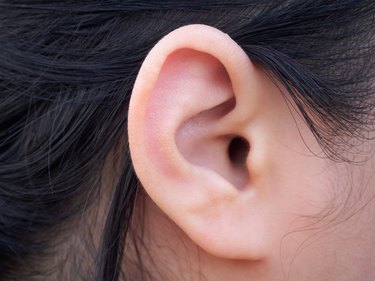
Photo Credit ear image by Ericos from Fotolia.com

Dizziness and vertigo, a sense that the room is spinning, often originate in the inner ear bones. The inner ear labyrinth responsible for balance is made up of three semicircular canals that stand roughly at right angles to each other and the cochlea, which acts primarily as a sound transmitter. Between the semicircular canals and the cochlea are fluid-filled pouches called the saccule and utricle. The inner ear works with the eyes and skeletal system to maintain balance.

Benign Paroxysmal Positional Vertigo (BPPV)

BPPV is a feeling of vertigo that occurs with head position changes. BPPV occurs when pieces of calcium normally embedded in the gel layer of the utricle and saccule shift into the posterior semicircular canal. Calcium particles may detach from the utricle and saccule as people age, or as a result of ear infection, ear or head surgery, or from spending a long time lying down, the Merck Manual states.The particles may clump together, forming a mass that changes the movement of fluid in the inner ear. Nerve receptors inside the canal are overstimulated, which makes people feel like their head is moving much more than it actually is. This sensation doesn’t match the picture the eyes are receiving, and the result is a feeling of vertigo.

Meniere's Disease

Nearly 45,000 people are diagnosed with Meniere’s disease in the United States each year, according to the National Institute on Deafness and Other Communication Disorders. Meniere’s disease is vertigo caused by an increase in the endolymph, the fluid that fills part of the labyrinth. The increased volume of endolymph causes the membranous labyrinth to balloon out; this is called endolymphatic hydrops. Vertigo, tinnitius--ringing in the ear--or hearing loss may all occur. Symptoms may come and go unpredictably. Hearing may worsen as Meniere’s symptoms continue and may become permanent.

Labyrinthitis

Labyrinthitis is an infection or inflammation of the labyrinth, usually caused by a virus but occasionally bacterial. Labyrinthitis causes vertigo that often starts a week or two after a cold or upper respiratory infection, and may continue for a few days or several weeks, recurring even a month later if you move your head a certain way, Cigna states.

References

Article reviewed by Debbie Sprong Last updated on: Apr 29, 2012

Must see: Photo Galleries