

















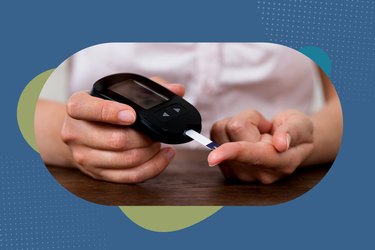




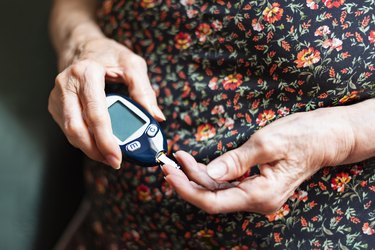














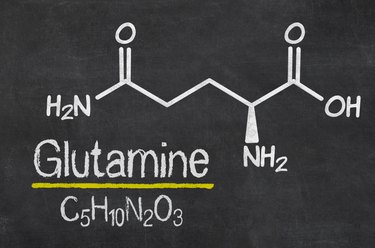

















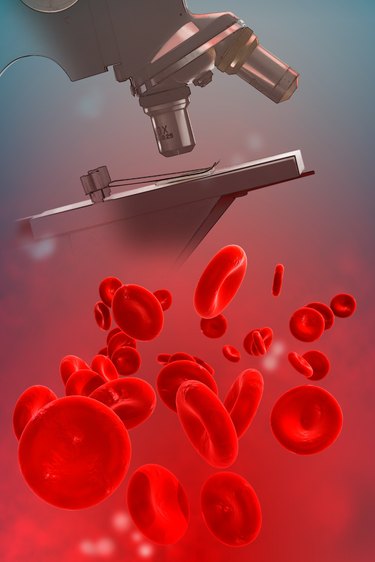




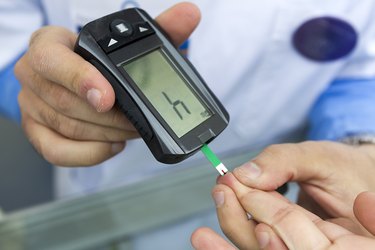










Glucose is sugar that enters your bloodstream after your digestive system breaks foods down. The nutrient is also your cells' primary fuel, which they absorb to generate energy. Too much glucose, however, causes health problems. Elevated glucose, or hyperglycemia, is often a sign of a serious illness. Do not delay seeing a doctor if you feel symptoms.
Calcium is found in your bones and blood; and is necessary for maintaining the electrical energy for your nervous and muscular systems, and for skeletal system strength. In a normal and healthy body, the parathyroid glands main...
Increasing the blood serum levels of glucose elevates your risk of chronic diseases. Glucose is the sugar your cells metabolize for energy. Under normal conditions, your liver converts the sugars in foods into glucose and your ...
High blood glucose levels may increase your risk of both long- and short-term health complications. Hyperglycemia is the medical term for high blood glucose. Elevated levels of creatine in your body may signal the presence of k...
Located in the upper right-hand portion of your abdominal cavity, the reddish-brown cone-shaped organ holds about a pint of blood at any given time. When certain proteins in your liver's blood supply become elevated, it could s...
During inflammation, white blood cells and other body chemicals attempt to remove any potentially harmful substances from the body. While inflammation is part of the healing process of wounds and infections, inflammation can al...
The waste products then build up in the bloodstream and often result in uremia, which can be detected by elevated blood urea nitrogen and serum creatinine levels. Azotemia or uremia can be caused by a number of conditions inclu...
In order to store and transport dietary iron, your body binds the iron to a molecule called ferritin. Ferritin levels within your blood help clinicians estimate the total amount of iron in your body. Elevated ferritin levels in...
Hypernatremia is an elevated sodium, Na, level in the blood. A normal Na level is 135 to 145 milliequivalents per liter -- mEq/L. The Merck Manuals website indicates that hypernatremia is a blood Na concentration above 145 mEq/...
All foods containing carbohydrates can elevate your blood glucose levels. Both starches and sugars are broken down into glucose and result in an increase in your blood sugar levels after a meal. However, fiber, which is also pa...
Alkaline phosphatase is one of several lab tests which is used to screen for various liver abnormalities. Normally, there should be a certain amount of this enzyme in the bloodstream, but that amount can increase as a result of...
However, coffee also contains compounds that might have adverse effects on your heart health by increasing levels of homocysteine, a risk factor for heart disease.
The Institute of Medicine reported that the toxicity risk of vitamin B-12 is low, and there are usually no adverse side effects from excess vitamin B-12. However, elevated levels of vitamin B-12 can lead to some health concerns...
If the pH of your blood remains acidic, cells and tissues may become damaged. The lactate levels in your blood usually remain below 2 millimoles per deciliter. Levels between 2 and 2 millimoles per deciliter are elevated and ot...
Elevated glucose levels, known as hyperglycemia, are associated with an increased risk in heart disease, kidney failure, nerve damage and blindness. Chronic high blood sugar weakens smaller blood vessels, causing organs and tis...
In healthy individuals, various physiological processes tightly regulate the amount of sugar in the blood and keep it below 70 mg/dL. Excess sugar in the blood, or hyperglycemia, is most commonly associated with diabetes, altho...
Human growth hormone is produced in the pituitary gland. HGH is involved in growth, the turnover of muscle, bone and collagen, and the regulation of fat metabolism. HGH supplements are a banned substance in most major sports, m...
Exercise also reduces the risk of heart disease and stroke. One thing that diabetics should be aware of, however, is that sometimes exercise causes blood sugar to elevate. One of the most important things that all diabetics ...
Any one source is often not enough to make a definitive diagnosis. Alkaline phosphatase is a marker for several conditions -- some normal, some associated with disease. An elevated alkaline phosphatase alone does not establish ...
Mayer Nutrition Research Laboratory at Tufts University, in the 2005 edition of "Modern Nutrition in Health and Disease." Alcoholic liver disease, hereditary hemochromatosis and chronic use of iron supplements can cause abnorma...
It is also involved in the formation of red blood cells. Overdosing on B-12 supplements and overconsumption of foods high in vitamin B-12 leads to high levels of the vitamin in the blood. Adults need to consume 2.4 microgram...
Understanding elevated blood cholesterol levels can save your life. About 102 million people in the United States elevated blood cholesterol levels, according to the Centers for Disease Control and Prevention, and 35 million of...
Glucose serves as the primary energy source for your muscle and tissue cells. Proper management of your glucose levels -- including recognizing the triggers that cause your blood sugar to rise -- are vital to your long-term hea...
Serum glucose and triglycerides refer to the levels of sugar and fatty acids in your bloodstream, respectively. Glucose and triglycerides enter your blood externally from your diet and internally from your liver. Serum glucose ...
Carbon dioxide enters the bloodstream and travels to the lungs. With each exhalation, the lungs rid the body of excess carbon dioxide. The lungs serve as the primary regulator of the amount of carbon dioxide in the blood. Eleva...
A typical blood test to evaluate liver damage, called a liver function test or LFT, measures levels of this enzyme and a number of other proteins in the blood. Since AST is found in many different cells, elevated AST is not spe...
If left unchecked, hyperglycemia can cause major complications for people with diabetes, including nerve, kidney and heart damage. Hyperglycemia can be managed by controlling blood sugar levels through diet and exercise.
Tests checking liver function include liver enzymes alanine transaminase (ALT) and aspartate transaminase (AST), albumin, ammonia, bilirubin, and prothrombin time. Combined, these tests point to disease and damage of the liver....
Ammonia is produced when proteins are broken down in the intestines. If the liver is unable to effectively metabolize the ammonia, the levels rise in the blood. The American Association for Clinical Chemistry explains that the ...
When liver injury occurs, these enzymes flood the bloodstream. Blood tests that show high levels of AST and ALT commonly but not always indicate some type of liver injury or damage. Normal values for AST are 5 to 40
BUN, or blood urea nitrogen, and creatinine form when the body metabolizes protein from foods. Glucose, a sugar, serves as a source of energy for the body and comes from foods that contain carbohydrates. Several conditions caus...
In some people, genetics dictate how much blood sugar rises, especially in people with type 1 or type 2 diabetes. Inactivity also plays a large role in elevating blood glucose levels.
The body also produces insulin, a hormone that helps the cells use glucose. When the body either cannot produce enough insulin, or does not respond to insulin, the amount of glucose in the blood is elevated, a condition known a...
These hormones regulate many of the body's functions, including metabolism, reproductive system, blood sugar levels, body heat and ossification, or bone growth. The hormonal imbalance of the endocrine system can cause a wide sp...
The oxygen is carried on a protein called hemoglobin. When hemoglobin breaks down, part of it is converted into the chemical bilirubin. The bilirubin travels in the blood to the liver where it is excreted into the intestines th...
The technical term for elevated glucose levels or high blood sugar is hyperglycemia. Anyone who has consistent hyperglycemia will be diagnosed as having diabetes. Children can develop diabetes as well as adults, and in 2007, a...
Creatinine is the waste that develops from the metabolism of the muscle. When levels of creatinine become too high it can be dangerous and can cause the kidney's to shut down. A laboratory test called serum creatinine or a urin...
High levels of bilirubin, or hyperbilirubinemia, can be seen in numerous diseases. Bilirubin is a yellowish pigment that is a byproduct of the degeneration and recycling of old red blood cells. The pigment also grants color to ...
Type 1 diabetes is caused by inadequate insulin production, whereas type 2 diabetes is the result of the body not responding properly to insulin. Elevated blood sugar levels can have a number of dangerous effects on the body.
When the body functions normally, it breaks down glucose instead of allowing it to accumulate in the blood. Some conditions make it difficult for the body to carry glucose into the cells, which results in elevated blood glucose...
Elevated blood sugar, or hyperglycemia, is a condition in which an excess amount of glucose circulates in the blood. Although chronic levels of glucose in the blood after a period of fasting that exceed 125 mg/dl (normal levels...
The old heme travels to the liver where it is secreted into bile by the liver and excess bilirubin is removed from the body through stool. When there are elevated levels of bilirubin in the blood serum, the eyes and skin may ...
Elevated creatinine is often associated with serious disorders, and people who learn that their creatinine levels are elevated may be alarmed. This response is understandable but not always warranted. It is important to unders...
According to the "Mosby's Manual of Diagnostic and Laboratory Tests," the daily production of creatine and creatinine depends on a person's muscle mass, which minimally fluctuates under normal circumstances. The kidneys are ent...
Abnormal levels of ALP are usually elevations, although low levels of ALP occur in some conditions. ALP is measured as part of the liver function tests or chemistry panel on blood tests. Abnormal ALP levels are not diagnostic f...
Most of the time, the children will not have any symptoms of lead poisoning and their abnormal levels will only be picked up during routine exams. This is why it is recommended for all children who are at risk to have finger st...
This chemical works in concert with all the neurotransmitters produced by the brain and body; balancing elevated norepinephrine levels alone is difficult as all parts of the system are interrelated. Take steps to relieve stre...
They serve as catalysts for chemical and metabolic processes to help meet the body's needs. When any type of cell or tissue is damaged, it leaks enzymes into the blood stream, causing blood tests to detect elevated blood enzyme...