Carbohydrates are a significant portion of a healthy diet. The primary forms of carbohydrate are simple sugars, fiber and starch, which also encompasses complex carbohydrates. The process of determining if a carb is good or bad requires you to understand the difference between carb types and how they interact with your body once digested. In simple terms, good carbohydrates come from fresh foods and they gradually digest, preventing rapid spikes and dips in your blood sugar, whereas bad carbs typically come from processed foods and result in...
Anyone with celiac disease or a gluten sensitivity understands the importance of label-reading. If you fail to scrutinize food package labels, you may end up eating gluten and experiencing the painful digestive symptoms and pos...
The U.S. Department of Agriculture ensures that all packaged foods sold in the United States have labels with nutritional information, such as calorie count, fat content and nutrient content, both by weight and as a percentage ...
Whether you're counting carbohydrates, watching calories or monitoring fat in your diet, food labels are a useful resource to help you make healthier choices. Certain types of information are grouped together on food labels, su...
Lipids are compounds made of carbon, oxygen and hydrogen that do not dissolve in water. In terms of food, think of lipids as fats from oils, butter or shortening. Lipids, including cholesterol, play important roles in your body...
Food sold in the United States is regulated by the Food and Drug Administration for safety, wholesomeness and proper labeling. Included in its regulations, the FDA defines "natural flavors" and specifies the type of substances ...
Design a food label that mimics the Food and Drug Administration's familiar panel using Microsoft Paint, a simple graphics program included with all Windows operating systems. With Paint, you will save time creating fake food l...
The majority of Americans would like to see labels on foods that contain genetically modified, or GM, ingredients as long as it didn't increase costs significantly, according to Colorado State University Extension. As of the ti...
Dietary Approaches to Stop Hypertension -- the DASH diet -- has since been endorsed by the American Heart Association,. The AHA went on to certify commercial food products that meet certain DASH criteria. As an aid to making wi...
You don't have to be on a diet to learn plenty from the nutrition facts on food labels. While the calorie information can help you control your weight, the ingredients list and nutrient contents can help you make healthy select...
Prior to that trip to the grocer's, learning how to compare two food labels can make the difference between healthy food choices and empty calories. The body needs two categories of nutrients -- macro and micro -- in sufficient...
Unsaturated fats help make up the total fat content of food items. Unlike saturated and trans fats, they are not required on food labels. Unsaturated fats are found primarily in plants, oils and fish. While saturated and trans ...
Food and Drug Administration, the federal government passed a law requiring all packaged food to contain a label outlining nutritional facts. The FDA has established certain rules governing the food labels, including what infor...
Food labels can help you stick to your diet, especially if you must follow a low-sodium, low-cholesterol and low-saturated-fat plan. While food labels provide you with specific nutrient values such as calories, carbohydrates, p...
You may read food labels when you want to plan a healthy diet or compare foods. Food labels tell you what's in the food you eat and list its main ingredients. Food labels show you if a food has a little or a lot of specific nut...
Most foods you purchase in the grocery store are legally required to have a food label. These labels contain lots of useful information that can help you choose the best foods for a healthy diet if you know how to use them prop...
When you are grocery shopping, selecting the right food by reading food labels can be a long and confusing process. The nutrition facts panel provides a great deal of information about the nutritional value of different foods, ...
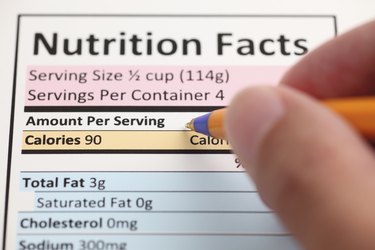
Serving size and calories are listed first. For some foods, servings are defined by volume and weight; others, list number of pieces per serving instead of volume. Labels also list the amount of fat, protein, carbohydrates, sod...
This will lower your risk for stroke and heart disease. However, it can be hard to figure out just what you should eat. Reading food labels can help you to follow a diet that will keep your cholesterol levels low.
Food labeling laws require specific information be present on most packaged foods. Uniform food labeling ensures that consumers are not misled and allows you to compare similar food products. Nutrition labeling gives insight in...
When you're munching on a Big Mac, the last thing you want to think about is how many calories it contains. McDonald's meals don't contain nutrition labels on the wrapper, so it's tricky to tell the high-fat items from the heal...
But many processed foods -- which include anything that comes in a box, can or from the frozen food section -- can have unhealthy dietary additions. When shopping for foods, learn to read the labels and watch carefully for unhe...
Walk down any aisle in a grocery store and you will see an immense amount of foods that contain food labels. After looking at them so many times, people often become desensitized to what is actually contained on the label. Whet...
This is where all the fresh ingredients reside. Packaged and processed foods are found in the center of the store, where label reading is a must. Without investigating the label, people unknowingly stock their cabinets with hig...
Unfortunately, this rapid metabolic activity also contributes to sugar converting to fat, leading to weight gain and other weight-induced health complications. For people looking to reduce their sugar intake, or those on a low-...
Analyzing a food label can be difficult if you have never done it before; however, understanding what to look for can make it more manageable. Food labels contain a large amount of information. This information includes serving...
Food and Drug Administration require manufacturers to label products containing food ingredients that create allergies. Soy, peanuts, wheat, tree nuts, milk, egg, fish or crustacean shellfish must be clearly identified on food ...
Since the first genetically modified tomato, the FLAVR SAVR, was introduced in 1994, genetically modified organisms, or GMOs, have been part of the American food supply. GMO labeling is not required, so you have no way of knowi...
Making smart food choices when you are on a diet can be difficult. However, if you use the nutrition facts labels on the foods you are considering, you can figure out which ones are the healthiest. To do this, you need to under...
Reading food labels is an important part of being an informed consumer. Kids who know how to read food labels are able to make healthy food choices. The "Journal of Agricultural and Resource Economics" reports that people who r...
According to the U. S. Food and Drug Administration website, packages and their labels aid consumers in obtaining accurate information on the ingredients found in cosmetics. The Fair Packaging and Labeling Act enacted by Congre...
The law applies to packaged foods with the exception of raw poultry, meat and eggs; foods sold in bulk; foods with insignificant amounts of nutrients; infant formula and foods sold by retailers with total sales of less than $50...
It is never too early to start teaching children about nutrition. As soon as they can recognize their favorite foods, start talking with them about which foods are healthy and why. This prepares them to create and follow lifelo...
Children will then be able to make educated food choices and develop healthy eating habits that will continue into adulthood. Children can learn to choose healthy foods by understanding food labels. Food labels, also known as n...
People often say they want to eat healthier. One of the first steps to take is examining nutritional value prior to purchasing foods. Food labels include most relevant information, including calories, fat, protein, and carbohyd...
Also known as sucrose, sugar is a sweet substance derived from the cane plant. It is present in a majority of food products, including fast and processed food and desserts. There are a variety of names used to indicate the pr...
Reading nutritional information on a package can give you a boost in finding out what product is the healthiest. There's a relatively easy process to understand what you are reading and to make an informed decision when purchas...
Carbohydrates consist of several sub-groups. Dietary fiber, sugar and sugar alcohol are just a few. Total carbohydrates, dietary fiber and sugars are the only ones that must appear on a nutrition label. Any others listed are pu...
Sugar is found in so many different types of foods these days; it's not just in dessert anymore. Sugar is used as a sweetener and a preservative in everything from drinks to salad dressings to sauces and even chips. According t...
Many diets limit how much of your total caloric intake may come from fat. This calculation requires you to know the amount of fat and the total number of calories in the food you eat. You can find this information on the food's...
Food labels are designed to give information about the nutritional content of the item. You need to know how to examine a food label and interpret the information it provides.
Since it's important to read food labels when choosing packaged products and learning more about the nutritional content of foods, as well as any allergy information, it's helpful to pick up some tricks and techniques for diges...
The next time you pick up one of your favorite food products from the grocery store shelves, take a moment to consider the label on that product. It can serve an important purpose when it comes to educating consumers about the ...
The U.S. standards for food labels call for using "calories." This is actually the colloquial term for kilocalorie, or kilogram calorie. The term calorie refers to a measurement of energy that comes from the French term "calor,...
Reading food labels is important if you want to understand your food and beverage consumption. You will learn how much of an ingredient a product contains and which products you might want to avoid. Ingredients on a food label ...
Sodium is used in the cell as a way for the body to passively absorb fluids. However, when too much sodium is contained in the diet, the individual retains water and feels bloated and heavy. Nutrition labels are printed on pack...
The fact is the Food and Drug Administration has strict requirements for what qualifies a food to have a health claim printed on its label. There are several important health claims that are common on food labels, and they all ...
Nutrition labels can make it easy to determine whether a particular food is a good fit for your healthy diet. The Daily Values column of a food label can seem confusing at first, but learning how to read it can help you make he...
Sodium phosphate is a generic term that may refer to any sodium salt of phosphoric acid. They're commonly added to food and may serve a variety of purposes. Sodium phosphates have been well studied and are generally considered ...
Food labels are important for identifying what a food is, what is contained in it and how it fits into the diet. The U.S. Food and Drug Administration ensures that foods subject to requiring food labels are labeled correctly. T...
If that person is an FDA inspector, they may be looking at the label to make sure all labeling requirements, such as weight, are met. As a consumer, you may have a different reason for scanning the information. There are three ...
For the average consumer, reading food labels can be tricky. However, understanding food labels can be an important, and helpful, part of following a healthy diet. The following are some tips to help decipher those confusing fo...
The history of monitoring and labeling food dates back many years. But there has been a dramatic increase in the progression of food labels during the past two decades.
While food labels can be confusing enough to cause doubt about what is printed, the Food and Drug Administration (FDA) actually monitors and enforces very strict labeling laws. Regulations range from mandated details to illegal...
The U.S. Food and Drug Administration (FDA) regulates the labels found on packaged foods to ensure that the consumer can make healthy dietary choices. In addition to a list of product ingredients, the manufacturer must also lis...
Fresh food items like vegetables don't need to be individually labeled, but many grocers are voluntarily offering this information near where the produce is sold. Even some restaurants are voluntarily labeling the contents of i...