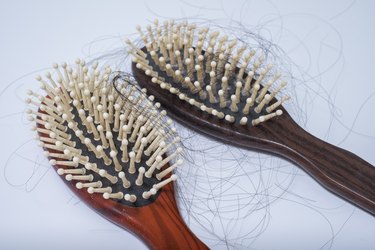
Hair Loss And Iron Deficiency

Can Iron Deficiency Cause Hair Loss?

Iron deficiency anemia occurs when an individual lacks iron. Without enough iron, the body cannot produce adequate amounts of hemoglobin. This affects the body in various ways, interfering with red blood cell production.

Iron Deficiency Symptoms: Hair Loss

Hair loss can come about for many reasons including a deficiency in key nutrients like iron. If you don't get enough iron, you may develop anemia, characterized by symptoms such as fatigue, headaches and hair loss. The best way to prevent this is...

Iron Deficiency & Female Hair Loss

The nutrients in the foods you consume all have specific roles in the body to promote health and normal functioning. A lack of a particular nutrient could trigger a particular health problem. When it comes to female hair loss, low levels of iron...

Iron Deficiency, Gluten & Hair Loss

If your hair suddenly begins to fall out -- especially if you're a woman or if you're a man whose hair isn't following the established contours of male pattern baldness -- it can be tough to determine why. You probably wouldn't think to consider...

Hair & Iron Deficiency

Iron is an essential mineral that your body needs for many processes, including the transport of oxygen in the blood and the production of enzymes as well as the building of proteins and bones. One of the effects of a deficiency of iron is hair...

Nutritional Causes for Hair Loss in Women

Nutrients such as biotin, essential fatty acids, proteins and zinc are essential for healthy hair. Low amounts of zinc, iron and vitamin B can also result in the hair loss in women. A well balanced diet high in protein sources, such as lean meats...

Iron Supplements & Hair Loss

If you have an iron deficiency, this can result in hair loss, among other symptoms. Your doctor may recommend that you begin taking iron supplements to correct this, especially if you are unable to get an adequate amount of iron through diet...

Iron Levels & Hair Loss in Women

According to MedlinePlus, an iron deficiency is a common cause of hair loss in women. If you have low iron levels, you may develop iron deficiency anemia, which can lead to thinning hair and other adverse side effects. To help prevent this, ask...

Foods Containing Iron to Prevent Hair Loss

Iron is an element that is integral to oxygen transport and cell growth. Iron deficiency, also referred to as anemia, can cause fatigue, decreased work performance, a weakened immune system, as well as hair loss. The condition referred to as...

Reasons for Losing Hair in Women

According to the American Hair Loss Association, 40 percent of hair loss sufferers in America are women. While hair loss in women can result from a number of serious diseases and health complications, it tends to inflict psychological effects,...

The Best Nutrition Supplements for Hair Loss

For those with a family history of hair loss, shedding hair after a shower or during the day can stimulate an intense fear of baldness. The American Academy of Family Physicians states that hair loss throughout the day is a normal part of the hair...

Low Potassium & Hair Loss

Hypokalemia is the medical term for a lower than normal potassium level in your blood. Hypokalemia can result from certain drugs such as antibiotics and diuretics, vomiting, eating foods rich in glycyrrhetinic acid, diarrhea, diseases affecting...

Protein Deficiency & Hair Loss in Vegetarians

Your hair is made from a type of protein called keratin. Regardless of your age, it is normal for most people to lose 50 to 100 hairs per day. If you are losing hair excessively, it may mean that you aren't eating right. Merck Manuals confirm that...

Hair Miniaturization From Iron Deficiency

For many men, hair loss is an expected, if distressing, side effect of growing older. But women of childbearing age who experience unusual hair loss should see a doctor, particularly if you also have fatigue, pallor or other symptoms of illness....

Hair Loss and Women's Nutrition

Losing hair is a disappointing and emotional experience. Eating disorders, stress and bouts of illness contribute to hair loss. Even a very low-calorie diet and poor nutrition can cause women to shed hair. Research published by Dr. D.H. Rushton...

Vitamins You are Lacking That Can Cause Hair Loss

Numerous factors can contribute to hair loss, such as hormonal problems, pregnancy, medication reactions or an underactive thyroid gland, according to the American Academy of Family Physicians. Also, a certain lack of specific vitamins or...

Hair Loss & Iron Therapy

According to the American Academy of Dermatology, an iron deficiency can cause hair loss. However, if you increase your iron intake to recommended levels to correct iron-deficiency anemia, your hair loss should eventually return to normal growth...

Vitamins That Prevent Hair Loss in Women

Hair loss is common in women as they begin to get older. A number of vitamins, minerals and supplements such as iron, vitamin H and vitamin E can help to reduce the chances or severity of hair loss. Taking these vitamins is important, as they help...

Vitamins for Hair Loss & Nails

Unhealthy hair that leads to hair loss and nails that are brittle, dull and weak are symptomatic of nutritional deficiencies. Hair loss and occasional nail breakage is normal. You can lose up to 100 strands of hair a day. In some instances, hair...

Natural Treatments for Thinning Hair in Women

Gradual thinning of hair is a normal part of aging. But extreme hair loss or thinning hair that exceeds the rate of new growth can be caused by many factors including hormonal changes, heredity, diet, illness or infection, stress, medication or...

Hair Loss Nutrition

Hair loss has a number of sources, including hormones, genetics, medications and diseases. These causes of hair loss are difficult and sometimes impossible to treat. However, hair loss due to a nutritional deficiency is reversible, and in some...

What Foods Contribute to Female Hair Loss?

Hair loss is often linked to dietary causes. Many foods contain trace amounts of mercury and other toxins that influence hormone and DHT levels. According to the Women's Hair Loss Council, avoiding certain foods and eating others on a regular...

How to Increase Hair Growth With Vitamins

When you are trying to grow your hair, you need to ensure that your body's nutritional needs are met. If you are not getting the nutrients you need from food sources, supplementation with vitamins can be considered. Keeping stress at bay and...

Vitamin Deficiencies That Can Cause Hair Loss

If you're not consuming the proper amount of vitamins and minerals, you may begin to notice hair loss. Your body requires certain vitamins for adequate hair growth. When your body doesn't receive proper nutrition, you may notice thin, brittle,...

Food Trigger List That May Affect Hair Loss

It may not sound like a serious problem, but the health of your hair can be a red flag for underlying health issues. If you are experiencing dry, brittle hair or hair loss, it may be a symptom of a much more serious issue. It may also be a sign...

Do Iron Pills Stimulate Hair Growth in Women?

Commonly, hair loss is associated with middle-aged men, yet hair loss also affects women. Vitamins and minerals are needed by the body for proper functioning, including hair growth. Iron is one of the essential nutrients your body needs. A...