Iron deficiency and anemia are challenging health conditions to face, especially for people who menstruate. Knowing the signs and symptoms of low iron — such as heart palpitations and always feeling tired — can help those with anemia identify the root cause of their sleepiness and lack of energy. Then they can treat it and return to good health sooner rather than later.
But boosting iron levels does take some time. Read on to learn more.
Video of the Day
Video of the Day
Iron in the Blood
Healthy blood is full of the mineral known as iron. As described by the National Institutes of Health (NIH), iron is "an essential component of hemoglobin, a protein that transfers oxygen from the lungs to the tissues."
Iron is a necessary element for blood production. We need iron for healthy tissue and muscle. It's crucial for proper cell functioning, neurological development, physical growth and more.
Menstruating people need much more iron than others, because they need to replace the iron that's regularly being depleted by their monthly period blood loss. The recommended dietary allowance of iron for women aged 19 to 50 is 18 milligrams, compared with just 8 milligrams for men in that age group. Pregnant people need even more iron: at least 27 milligrams per day, per the NIH.
Are Low Iron, Iron Deficiency, Iron-Deficiency Anemia and Anemia All the Same Thing?
The terms "anemia," "iron deficiency" and "low iron" are often used interchangeably. But they're not all the same thing.
- Anemia: According to the Cleveland Clinic, anemia occurs when you either don’t have enough red blood cells, or your red blood cells don't carry oxygen to your body’s organs the way they should. There are many types of anemia.
- Iron deficiency: A decrease in the level of iron in your bone marrow. In cases of mild or marginal iron deficiency, iron stores can be depleted but hemoglobin levels can remain within the normal range, per the NIH.
- Iron-deficiency anemia: The most common type of anemia, iron-deficiency anemia happens "when your body doesn’t have enough iron to make hemoglobin," per the Cleveland Clinic. Result: Your iron stores are exhausted.
- Low iron: A synonym for "iron deficiency." According to the Mayo Clinic, women's blood should contain 11 to 307 micrograms of ferritin per liter. "Ferritin is a blood protein that contains iron," per the Mayo Clinic. "If a ferritin test reveals that your blood ferritin level is lower than normal, it indicates your body's iron stores are low and you have iron deficiency."
Causes of Iron Deficiency in Women
Women can become deficient in iron for many reasons. Intestinal bleeding, pregnancy, heavy menstrual periods and certain health issues such as celiac or Crohn's disease might all reduce a woman's iron levels. Identifying the underlying cause of low iron will determine the most appropriate course of treatment.
Iron deficiency is "the most common form of micronutrient malnutrition globally," according to the Centers for Disease Control and Prevention (CDC). Though it's more common in developing countries, many Americans suffer from low iron, too. Economic and nutritional factors place minority women at an even higher risk for low iron and its associated health consequences. "Deficiency is higher among non-Hispanic blacks and Hispanics," per the CDC.
Low iron often occurs due to poor diet. "Food has two types of iron — heme and non-heme," per the American Red Cross. "Heme iron is found in meat, fish and poultry. It is the form of iron that is most readily absorbed by your body. Eating meat generally boosts your iron levels far more than eating non-heme iron, [which] is found in plant-based foods such as fruits, vegetables and nuts. The iron contained in these foods won't be absorbed as completely."
Since meat is the best source of iron, vegetarians are at an increased risk of developing low iron. That's why it's so important that vegetarians and vegans consciously and consistently eat a variety of iron-rich foods each day, including beans, iron-fortified cereals, green leafy vegetables and dry fruits.
Pregnant people are also at a greater risk of developing an iron deficiency or iron-deficiency anemia. "In the United States, one in six women is iron deficient during pregnancy," according to the CDC.
Why is this so? "During pregnancy, the volume of blood in your body increases, and so does the amount of iron you need," according to the Mayo Clinic. "Your body uses iron to make more blood to supply oxygen to your baby."
There is a bit of disagreement about whether or not it's necessary to screen people for iron deficiency during pregnancy, as well as whether it's necessary to provide low-dose iron supplements during pregnancy to prevent the development of iron-deficiency anemia.
The CDC, Institute of Medicine and American College of Obstetricians and Gynecologists (ACOG), all recommend screening (although the timing guidance varies), per the U.S. Preventive Services Task Force (USPSTF). Further, ACOG recommends iron supplements for pregnant people with an iron deficiency. But USPSTF guidance differs: They do not recommend routine screening during pregnancy for iron deficiency, nor do they recommend routine iron supplementation during pregnancy due to insufficient evidence that doing so prevents adverse maternal health and birth outcomes. Note that this guidance, which was issued in 2015, is under review as of 2023, per the USPSTF.
Recognizing the signs and symptoms of low iron early on can facilitate an accurate diagnosis and ensure that someone suffering from an iron deficiency gets prompt and appropriate treatment.
How Iron Deficiency Hurts Health
Insufficient iron leads to a reduced number of oxygen-carrying red blood cells in circulation. Over time, having far fewer blood cells carrying far less oxygen will manifest in the physical signs and symptoms of iron-deficiency anemia.
Left unchecked, iron-deficiency anemia can cause heart palpitations, chest pains or fainting. The immune system can become taxed to the point that infections become severe or even life threatening.
Iron-deficiency anemia can be especially dangerous for pregnant women. "Severe anemia during pregnancy can result in poor fetal growth, preterm birth, low birth weight and increased risk of death for the mother and the baby," according to the CDC.
Symptoms of Iron Deficiency in Women
Low iron usually produces symptoms as it worsens. Symptoms are subjective; people around you may not notice that something is wrong, but you just don't feel right. Mild cases of iron deficiency may not cause obvious symptoms. With more severe iron deficiency, the likelihood of symptoms increases.
Sleepiness
One of the most common symptoms of low iron and iron-deficiency anemia is fatigue. Different people will experience fatigue in different ways. Some might be too tired to exercise, while others might experience mental fatigue. Many will feel sleepy during the day, even if they slept well the night before. Athletic performance may suffer.
Heart Palpitations
Women's hearts usually beat 70 to 90 times per minute at rest. A resting heart rate above 100 may indicate iron deficiency. This rapid heart rate may manifest as a fast or irregular heartbeat; your heart feels like it's racing or skipping beats.
Frequent or Recurring Infections
Iron-deficiency anemia "can make you more susceptible to illness and infection, as a lack of iron affects the body's natural defense system (the immune system), according to Scotland's National Health Service.
Other common symptoms of iron-deficiency anemia include weakness, shortness of breath, dizziness, headaches, bruises, difficulty concentrating, chest pain, chills, restless leg syndrome and "a pounding or 'whooshing' sound in your ear," per the Cleveland Clinic.
Pica
Serious iron-deficiency anemia can result in an eating disorder known as pica. "Pica ... involves eating items that are not typically thought of as food and that do not contain significant nutritional value, such as hair, dirt and paint chips," according to the National Eating Disorders Association. "Pica is a sign that the body is trying to correct a significant nutrient deficiency."
Visible Signs of Iron Deficiency in Women
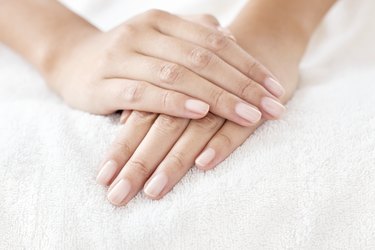
Signs of an illness or disease include objective manifestations that you or others can see or measure. When iron deficiency is suspected, look for pale skin, brittle nails, cracks at the sides of the mouth and/or a swollen tongue, according to the Mayo Clinic. Paleness is sometimes more obvious in areas like the inside of the lower eyelid.
In mild cases of low iron, however, there may be no visible signs of illness. If you're curious about specific iron levels, an iron level of 10 grams of hemoglobin per deciliter (g/dL) is considered anemic, and an iron level 5 g/dL would be severely anemic.
Treatment for Low Iron
Thankfully, most causes of iron deficiency are not serious, and are easily treated.
Eating Iron-Rich Foods
Iron is a mineral that is naturally present in many foods, and it's also added to some food products. If your iron deficiency occurred because you haven't been eating properly, then consciously eating iron-rich and iron-fortified foods every single day will help fix things.
Eggs, fish, poultry, liver, red meat, nuts, dried fruits, leafy greens, legumes and iron-fortified breakfast cereals are all great choices for those suffering from low iron.
You should also eat foods that contain vitamin C every day, since this vitamin improves iron absorption. Foods rich in vitamin C include citrus fruits, strawberries, tomatoes and cruciferous vegetables such as cauliflower and broccoli.
Iron Supplementation
Iron supplements are the most common treatment for iron-deficiency anemia. They're not a quick fix, though. "It often takes three to six months to restore your iron levels," per the National Heart, Lung and Blood Institute (NHLBI).
Don't take iron supplements without the approval of your healthcare provider, since excess iron can cause other health problems. Constipation is one common side effect of iron pills, so ask your doctor if you should take a stool softener along with your iron supplement.
If you experience other common iron-pill side effects such as upset stomach, "your doctor may suggest taking your supplements with food, lowering the dose or trying a different type of iron supplement," according to the NHLBI.
Iron Infusions
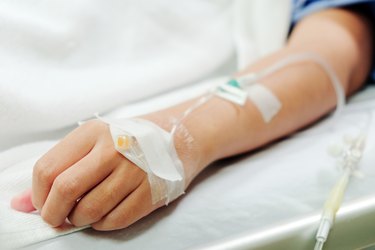
People with serious iron deficiency often benefit from intravenous iron. "IV iron is sometimes used to put iron into your body through one of your veins," per the NHLBI. "This helps increase iron levels in your blood. It often takes only one or a few sessions to restore your iron levels."


Dealing With the Sleepiness
Because it takes time for iron levels to normalize, low iron-induced sleepiness and fatigue won't go away immediately. In the meantime, try getting a consistent amount of sleep every night. Go to bed at about the same time and get at least eight hours of sleep if possible.
If you're still feeling tired during the day, take a couple of 10-minute naps to help you recharge. Skip alcohol and nicotine too if you can, because those substances both cause tiredness and interrupt sleep.
- Cleveland Clinic: "Anemia"
- National Institutes of Health: "Iron"
- Mayo Clinic: "Ferritin Test"
- American Red Cross: "Iron=Rich Foods"
- Centers for Disease Control and Prevention: "Micronutrients"
- Mayo Clinic: "Iron Deficiency Anemia During Pregnancy: Prevention Tips"
- National Health Service: "Iron Deficiency Anaemia"
- National Eating Disorders Association: "Pica"
- National Heart, Lung and Blood Institute: "Iron-Deficiency Anemia"
- U.S. Preventative Services Task Force: "Iron Deficiency Anemia in Pregnant Women: Screening and Supplementation"
- USPSTF: "Iron Deficiency and Iron Deficiency Anemia During Pregnancy: Screening and Supplementation"
Is this an emergency? If you are experiencing serious medical symptoms, please see the National Library of Medicine’s list of signs you need emergency medical attention or call 911.