
Overview
Have you ever had someone tell you that a certain food was bad for you? Did you stop eating it and then put it on your "Foods to Never Eat" list? Some foods and beverages get bad reputations that they don't really deserve and sometimes this is due to incorrect or outdated information. The truth is, quite a few of the foods you may think are "bad" for you may actually help protect you from chronic diseases and may even help you peel off pounds. From white rice to whole eggs (yes, including the yolks!) to pasta, here are 18 surprisingly healthy foods and beverages that you can consider eating, or at the very least not completely shun from your diet. Find out why bacon gets a mention on our list, and consider sharing on Facebook with your friends who may have told you to avoid a particular food!
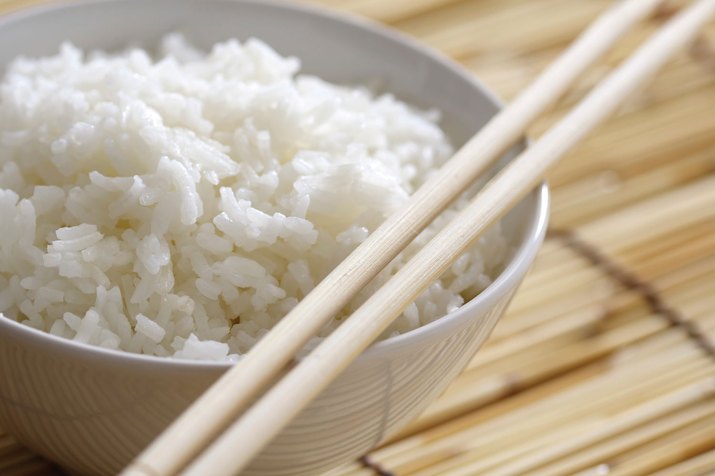
1. White Rice
Some of the healthiest nations, including Japan, enjoy white rice at most meals. Plus, research has found that people who eat rice are also less likely to be overweight. When eaten alone white rice has a high glycemic index yet it's rarely consumed this way and can actually be a "vehicle" to getting in more healthy foods such as lean proteins and vegetables. While it is true that white rice is more processed than brown rice, all white rice sold in the U.S. is enriched with the nutrients that are lost during processing. White rice has more essential nutrients than brown rice due to this fortification. It may also surprise you to hear that the bran layer of brown rice contains phytic acid, an antinutrient which makes minerals such as zinc and iron unabsorbable. In addition, brown rice contains higher levels of arsenic than white rice. Consumer Reports released a 2012 chart showing arsenic concentrations in specific brands of rice products.
Read more: Meet the Women Who Are Changing Health and Wellness

2. Eggs (Even the Yolks!)
If you've been avoiding eggs because you heard that they contain too much cholesterol, you may be surprised to hear that recent research has found that saturated fat -- and not dietary cholesterol -- is the primary contributor to poor heart health. Eggs have been wrongly accused of being unhealthy due to the foods they're often served with, namely high-fat sausage or crispy bacon. A 2013 study showed that high protein egg breakfasts helped control participants' appetites better than high carb breakfasts such as cold cereal. Don't skip the yolks! In addition to three grams of protein, egg yolks are packed with vitamin D, phosphorus, riboflavin, choline, and selenium.
Read more: 20 Discontinued Foods We Sort of Miss

3. Coffee
In addition to containing caffeine that helps get you alert for a busy day, coffee is also one of the top sources of flavonoids in the U.S. diet. Flavonoids are known to help improve heart health and protect cells from the natural negative effects associated with aging. Coffee may help reduce the risk for type 2 diabetes, Alzheimer's and Parkinson's disease. What's more, many studies have found that athletic performance benefits (such as increases in running speed) can be seen with moderate amounts of caffeine. Public health authorities seem to agree that moderate amounts of coffee (about three to four cups per day) can have modest health benefits and no evidence of health risk. Try to choose organic, sustainable, shade-grown coffee, whenever possible.
Read more: The 11 WORST Coffee Drinks to Order

4. Pasta
If you've given up white pasta because you believe it has a high glycemic index, there's some good news. Pasta, such as spaghetti or macaroni made from white durum wheat, has a glycemic index of 45-50, which is considered low. That means eating pasta won't cause a quick rise in blood sugar level, and it is more likely to keep you feeling fuller longer. The key to eating pasta is to keep your portions to no more than 1 cup cooked. Believe it or not, the recommended serving size of pasta is 1/2 cup of cooked pasta -- the amount you can hold in one cupped hand! If you were served that amount at a restaurant, you'd most likely feel cheated! Most people eat 2 cups of pasta for a meal. For a more balanced (and filling) meal, prepare pasta with veggies, seafood or lean protein such as chicken or tempeh, and top it with a tomato-based sauce rather than a cream-based sauce.
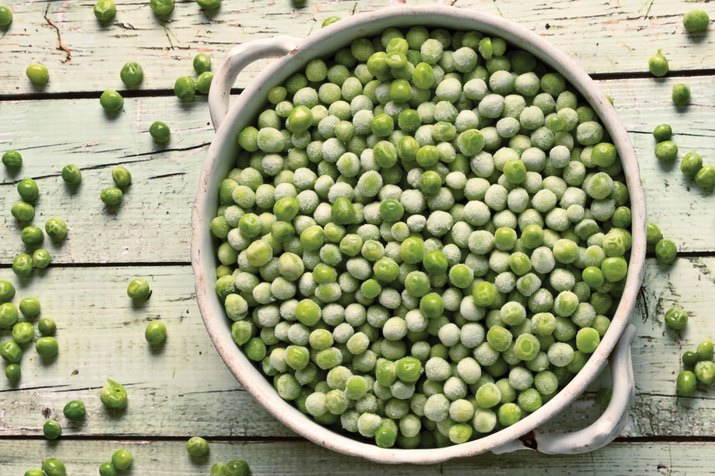
5. Frozen Vegetables
Numerous studies suggest that frozen veggies have just as many nutrients as their fresh counterparts. Frozen vegetables are a great option because they're picked and processed at the peak of freshness to lock in the nutrients. Since fresh produce losses nutrients every day that it's not eaten, it's not uncommon for frozen veggies to have more nutrients per serving. Frozen vegetables are an excellent solution during the winter months when fresh vegetables are often hard to come by or more costly. They're also a great option to have on hand so you can always have include serving of veggies with any meal within minutes. Frozen vegetables don't contain added sodium or preservatives. Plus, they are low in calories and rich in fiber and beneficial phytonutrients.

6. Canadian Bacon
Bacon is EVERYWHERE lately, isn't it? Crispy regular bacon is packed with saturated fat and sodium, but its cousin Canadian bacon -- while still high in sodium -- is lower in both calories and fat and still high in protein. Sodium aside, there's a lot to love about Canadian bacon. A one-ounce serving of Canadian bacon has about 50 calories and two grams of fat, compared to regular bacon, which has about 165 calories and 14 grams of fat per ounce (i.e. about four slices of medium thickness). Canadian bacon also provides iron, zinc and B vitamins, along with the heart-friendly monounsaturated fats. When choosing Canadian bacon, look for the natural uncured variety (such as Niman Ranch Uncured Canadian Bacon or Jones All Natural Uncured Canadian Bacon), as they won't contain nitrates. Cured bacon (both the regular kind and Canadian type) contains nitrates, which have been linked with cancer.
Read more: 14 Protein-Packed Breakfasts to Power You Through Your Morning

7. Alcohol
Despite its sometimes bad reputation, drinking a moderate amount of alcohol does have health benefits. Moderate consumption is defined as about one drink per day for women; two for men. Moderate alcohol consumption can slash risk for heart attack, as well as heart disease, Type 2 diabetes and certain types of cancer. Additionally, moderate alcohol consumption can help keep your brain sharp as you age. A 2011 study showed that moderate drinkers were 23 percent less likely to develop mental diseases, such as Alzheimer's. In addition, red wine and dark beers are antioxidant-rich, which may make certain bevvies even better for you. For certain people (pregnant women, people recovering from alcohol addiction or with a family history of alcoholism, and those with liver disease) the risks of drinking still do outweigh the benefits.
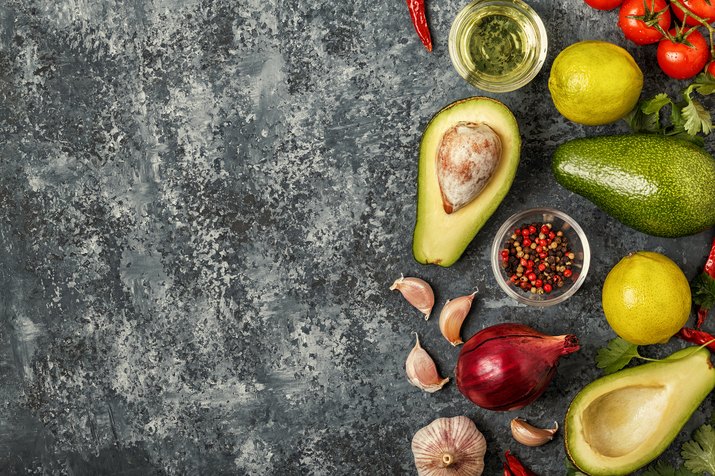
8. Avocados
Avocados are technically a fruit, but nearly all their calories come from fat, making them nutritionally at least, a fat. They provide more than 20 essential vitamins, minerals and phytonutrients, including vitamins A, C, D, E and K; fiber; potassium; and B vitamins. Avocados are also a source of heart-smart monounsaturated fats and the antioxidants, lutein and zeaxanthin. These carotenoids are concentrated in the macula of the eye and may protect your eyes against age-related macular degeneration. Research from Ohio State University found that that avocados partnered with salsa or salad acts as a nutrient-booster and increased the absorption of fat-soluble phytonutrients.
Read more: 12 Yummy New Avocado Recipes

9. Beef
If you're not vegetarian or vegan, but are instead one of those meat lovers who decided to give up the red stuff in order to lose weight or to make your diet more heart healthy, you may be happy to hear that eating moderate amounts of lean beef can actually help you lose weight and improve your overall diet quality. Today's beef is leaner than ever. Many choices of beef sold at supermarkets are classified as lean, meaning the cuts provide up to 10 grams of total fat and no more than 4.5 grams of saturated fat in a three and a half ounce serving. Look for grass-fed, organic beef options. Beef provides several 10 essential vitamins and minerals including B-vitamins, iron, zinc and protein.
Read more: Tips to Choose the Healthiest Red Meat
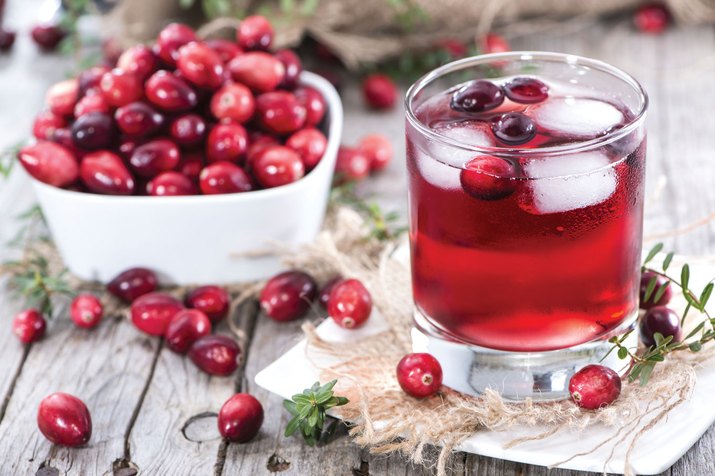
10. Cranberry Juice
Perhaps you stopped drinking fruit juice because of the amount of natural or added sugars in it. It's important to remember that cranberry juice is unique in some of its health benefits, and is still worthy of inclusion in our diets. If you've had a urinary tract infection, chances are you've tried cranberry juice to help alleviate your symptoms. However, cranberry juice works best to help prevent recurrent UTIs in the first place. Cranberries contain proanthocyanidins or PACs, unique flavonoids that inhibit E.Coli from adhering to urinary tract cells, where they can multiply and trigger an infection. A 2011 study at Worcester Polytechnic Institute showed that cranberry juice, itself, is far better at preventing biofilm formation, than any element extracted from the berry in pill form.

11. Dark Chocolate
It's every chocolate lover's dream come true. Chocolate, more specifically dark chocolate, has been extensively studied for its health benefits, with positive results. Dark chocolate decreases LDL ("bad") cholesterol, reduces blood clots, and is associated with better cognitive performance in the elderly. A 2008 study published in the American Journal of Clinical Nutrition found that overweight individuals who consumed a dark chocolate bar had improved blood vessel health and decreased blood pressure as compared with those who ate a placebo. As a general rule, look for dark chocolate with a higher cacao level (60 percent cacao or higher), as that will indicate more antioxidants and less added sugar. Also, because all chocolate (even the dark kind) is calorie-rich, stick with one to two ounces per day or else you may have the unwanted side effect of eating too much: weight gain.
Read more: The 12 Best "Clean" Dark Chocolate Bars
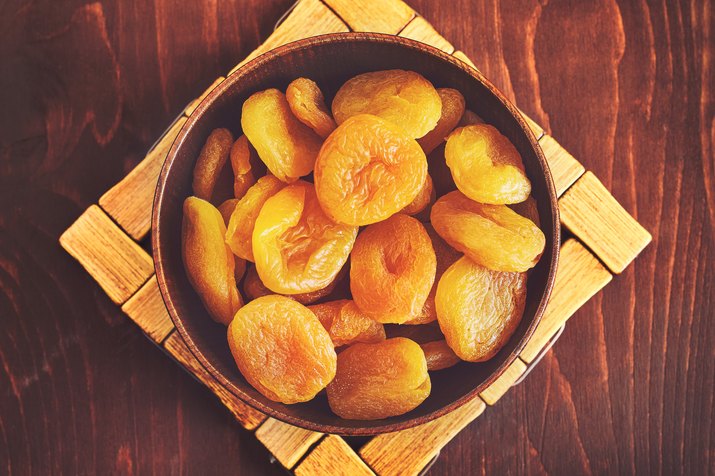
12. Dried Fruit
Many dieters ditch dried fruit because it's a more concentrated source of calories than fresh fruit. While this is true, dried fruit can serve as a stand-in when fresh fruit isn't a convenient option -- for instance when you're traveling. Dried fruit can also be enjoyed as a replacement for calorie-rich, nutrient-poor desserts such as baked goods or candy. Dried fruits contain virtually the same nutrients as their fresh counterparts, so most are a good sources of vitamins A, C, potassium, fiber and folate. They are also antioxidant powerhouses. Look for options that have no added sugar such as dried apricots, apples, cranberries, raisins or prunes. Try them on top of your oatmeal or mixed with nonfat plain Greek yogurt or cottage cheese. Enjoy dried fruit with nuts for a healthy satisfying snack.
Read more: 19 Fast and Healthy Convenience Store Snacks
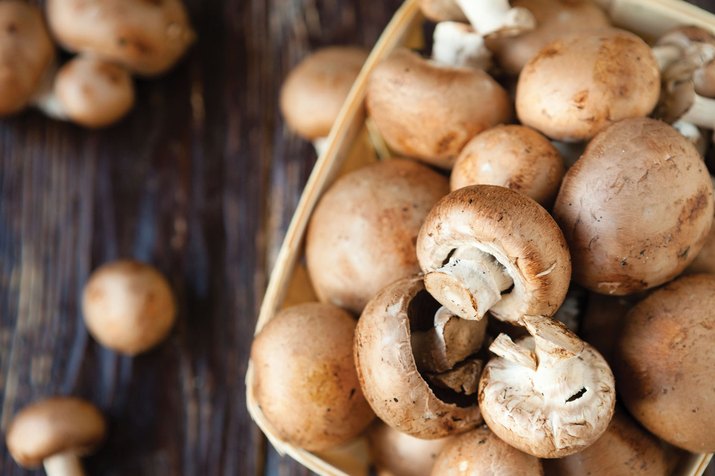
13. Mushrooms
Because mushrooms are white or tan in color, some assume that they don't pack the nutritional punch of more colorful produce like tomatoes or broccoli. But what mushrooms lack in color, they more than make up for in their health benefits. A serving of about five medium mushrooms has just 20 calories and contains niacin, selenium, riboflavin, vitamin D, iron and calcium. They've been shown to help maintain a healthy immune system and may have anti-cancer properties. According to the American Cancer Society, "Shiitake mushrooms are promoted to fight the development and progression of cancer… and are also said to help prevent heart disease by lowering cholesterol levels." Mushrooms also act as a great meat replacement in recipes for vegetarians because they have some of the same flavor characteristics of meat.
Read more: Mushrooms, and 11 Other Foods With Surprising Health Benefits
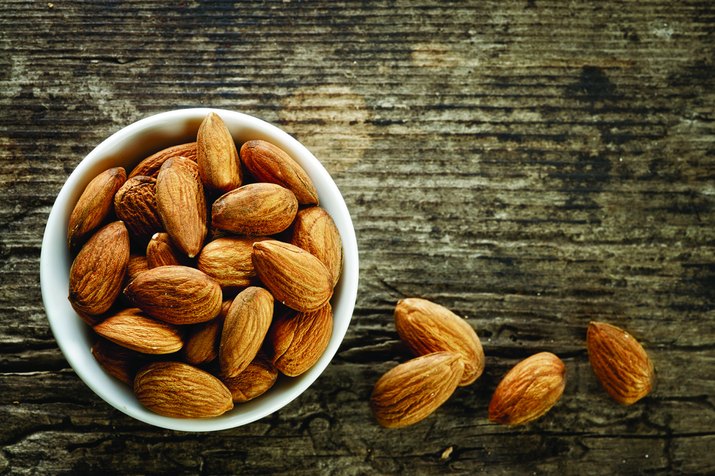
14. Nuts
Nuts are high in fat and calories, but that doesn't mean that eating them will make you gain weight. In fact, research shows just the opposite: People who enjoy nuts tend to be thinner and have higher quality diets than those who don't. A 2013 study published in the American Journal of Clinical Nutrition found that those who replaced other foods with nuts in their diets lost more weight (about 1.4 pounds more) than those who did not. Nuts are also heart-healthy because they're made up of primarily unsaturated fats. Additionally, nuts contain plant sterols, which have cholesterol-lowering properties.

15. Shrimp
While shrimp IS high in dietary cholesterol, it contains almost no saturated fat. Recent research has concluded that unless dietary cholesterol intake is combined with high saturated fat, it does not elevate blood cholesterol. Like all fish and seafood, shrimp is a source of omega-3 fatty acids, which help temper inflammation and may reduce risk for heart disease, Type 2 diabetes and much more. A serving of shrimp (3.5 ounces) has less than 100 calories, packs in 20 grams of protein and is low in saturated fat. Compared to many other sources of omega-3s, shrimp has one of the lowest amounts of mercury. According to Matthew Thompson, Food Editor for EatingWell Magazine, "It's important to look for shrimp certified by an independent agency, such as Wild American Shrimp or the Marine Stewardship Council, which certifies that wild fisheries are well-managed and sustainable."
Read more: 13 Types of Fish to AVOID Eating

16. Peanut Butter
Yes, peanut butter is high in calories, but in moderation, it can actually help you control hunger and manage your weight. In fact, women who eat one serving of nuts OR peanut butter two or more times per week are nearly 25 percent less likely to be obese and gain fewer pounds than women who rarely eat these foods according to recent research from the Harvard School of Public Health. One possible reason: A snack that includes peanut butter helps you stay fuller longer due to the protein and fiber content. To keep calories in check, be sure to watch your serving size and stick to no more than two tablespoons. Try to choose an organic and natural variety of peanut butter with no added sugar.
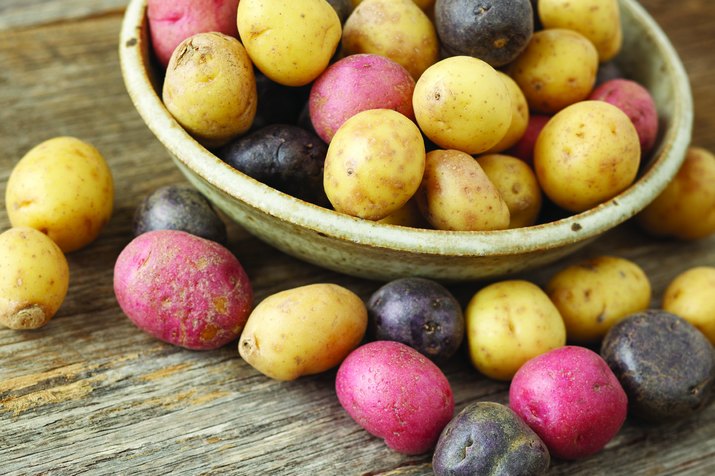
17. Potatoes
Potatoes often get a bad rap for making people pile on pounds, but according to nutritionists Julie Upton and Katherine Brooking at Appetite for Health, this bad rap is probably more about the way potatoes are being prepared – for instance, french fries or potato chips versus baked, roasted or grilled potatoes. A medium-sized potato contains just 170 calories. Plus, potatoes are rich in potassium and are a good source of fiber. Potato skins are also a source of antioxidants that may provide heart health and anti-cancer benefits. Finally, Potatoes provide resistant starch, a type of carbohydrate that cannot be digested so it helps regulate blood sugar levels while helping to keep you full.
Read more: 16 Diet-Friendly Healthful Carbs

18. Popcorn
If you only eat popcorn when you go to the movie theater, you're missing out on one of the healthiest whole grains. Researchers at the University of Scranton recently reported that popcorn is literally packed with phytonutrients. The beneficial compounds are concentrated in the darker hulls of the kernel (the bits that get stuck between your teeth). The researchers revealed that popcorn contains nearly twice as many polyphenols compared to a serving of several types of fruit. What's more, popcorn is 100 percent whole grain; unlike many "whole grain" breads, crackers and other whole grain foods that are only partially made with whole grains. You can enjoy three cups of popcorn for just 100 calories and it has three grams of filling fiber. Choose an air-popped, organic variety, whenever possible.
Read more: 12 Ways to Make Popcorn More Exciting

What Do YOU Think?
Do you enjoy or avoid these foods? Did you know that they had a "bad" rap? Which is your favorite food on the list? Are there any that we've missed? Leave a comment below and let us know. Consider sharing on Facebook with your friends and family who may have told you to avoid a particular food!
Video of the Day
Advertisement
Video of the Day