Eat Better
Get Fit
Manage Weight
Live Well
More
Challenges
Topics A-Z
Category Directory
About Us
JOIN OUR NEWSLETTER
JOIN OUR NEWSLETTER
Vitamins and Minerals in Food
Home
Nutrition
Nutrition Basics
Vitamins and Minerals in Food
By
Joanna Foley, RD
Expert Reviewed
16 Foods High in Manganese for Immune Support
Nutrition
By
Anthea Levi
22 Tasty Foods High in Niacin for More Energy
Nutrition
By
Anthea Levi
15 Foods High in Thiamin for Better Energy Levels
Nutrition
By
Anthea Levi
Expert Reviewed
10 Foods High in Biotin for Healthy Hair, Skin and Nails
Nutrition
By
Anthea Levi
Expert Reviewed
10 Foods High in Beta-Carotene for Plant-Based Vitamin A
Nutrition
By
Kelsey Casselbury
Expert Reviewed
20 Foods High in Choline for Plant-Based and Meat-Eaters Alike
Nutrition
By
Jaime Osnato
Fact Checked
Feeling Drained? You Might Be Missing Out on These 6 Nutrients
Nutrition
By
Kelsey Kloss
10 Foods High in Vitamin B for Plant-Based and Meat-Eaters Alike
Nutrition
By
Heather Mayer Irvine
Expert Reviewed
21 Foods High in Selenium for Thyroid Health
Nutrition
By
Kelsey Kunik
Expert Reviewed
14 Foods High in Phytoestrogen That Are Really Good for You
Nutrition
By
Heather Mayer Irvine
Expert Reviewed
10 Foods High in Omega-6 That Are Really Good for You
Nutrition
By
Kelsey Kunik
Expert Reviewed
11 Top Foods High in Copper to Add to Your Diet
Nutrition
By
Kelsey Kloss
Expert Reviewed
19 Foods High in Antioxidants to Eat More Often
Nutrition
By
Kelsey Kloss
13 Tasty Foods High in Polyphenols to Stock Up On
Nutrition
By
Kelsey Kloss
Expert Reviewed
20 Foods High in Carbohydrates That Are Really Good for You
Nutrition
By
Heather Mayer Irvine
Expert Reviewed
The 18 Best Foods High in Vitamin E for Healthy Skin
Nutrition
By
Heather Mayer Irvine
Expert Reviewed
14 Foods High in Magnesium for Muscle and Nerve Health
Nutrition
By
Heather Mayer Irvine
Expert Reviewed
12 Foods High in Phosphorus for Strong Teeth and Bones
Nutrition
By
Heather Mayer Irvine
Expert Reviewed
30 Foods High in Vitamin A for Sharp Vision
Nutrition
By
Heather Mayer Irvine
23 Top Foods High in Vitamin K for Blood and Bone Health
Nutrition
By
Heather Mayer Irvine
Expert Reviewed
24 Foods High in Vitamin C for a Healthy Immune System
Nutrition
By
Jessica Migala
Fact Checked
If You Take Iron in the Morning, You Might Need to Rethink Your Breakfast
Nutrition
By
Heather Mayer Irvine
Expert Reviewed
18 Foods High in Omega-3s for Better Brain Health
Nutrition
By
Heather Mayer Irvine
Expert Reviewed
15 Foods High in Iodine for a Healthy Metabolism
Nutrition
By
April Benshosan and Bonnie Taub-Dix, MA, RD, CDN
Expert Reviewed
19 Foods High in Calcium (That Aren't Just Dairy)
Nutrition
By
Heather Mayer Irvine
Expert Reviewed
15 Foods High in Healthy Fat That You Should Be Eating
Nutrition
By
Heather Mayer Irvine
Expert Reviewed
18 Foods High in Zinc for a Stronger Immune System
Nutrition
By
Heather Mayer Irvine
Expert Reviewed
24 Foods High in Potassium for a Healthy Heart
Nutrition
By
Brierley Horton
The Chicken Cut Dietitians Want You to Eat More Often (It's Not the Breast)
Nutrition
By
Heather Mayer Irvine
20 Tasty Foods High in Iron You’ll Love
Nutrition
By
Anthea Levi
Expert Reviewed
10 Nutrients You're Probably Not Getting Enough of — and What to Do About It
Nutrition
By
Heather Mayer Irvine
Expert Reviewed
30 Foods High in Sodium to Cut Back On (and What to Eat Instead)
Nutrition
By
Kelly Plowe
Fact Checked
The Vital Brain Nutrient Your Plant-Based Diet Might Be Missing
Nutrition
By
Caroline Haley
Expert Reviewed
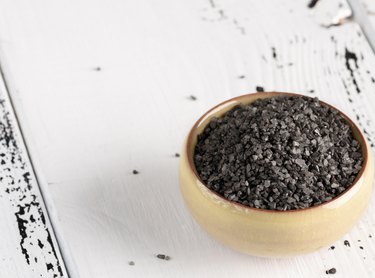
What Are the Health Benefits of Indian Black Salt?
Nutrition
By
Carly Schuna
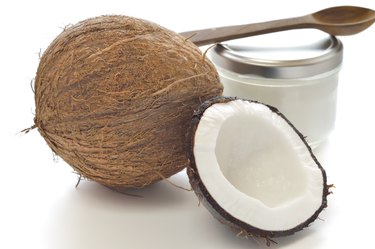
What Are the Benefits of Creamed Coconut?
Nutrition
By
Beth Greenwood
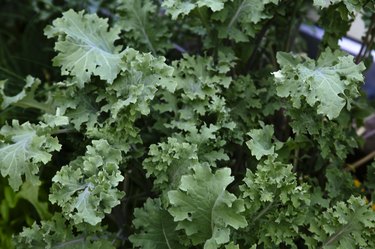
What Green, Leafy Vegetables Are High in L-Lysine?
Nutrition
By
Jean Bardot
Green Smoothies for Acid Reflux
Nutrition
By
Nicole Crawford
Vitamin Supplements for Adolescent Girls with Hormones
Nutrition
By
Jessica Bruso
Banana vs. Potassium Pills
Nutrition
By
Carly Schuna
Differences Between Milk Powder & Milk Mawa Powder
Nutrition
By
Sharon Perkins
Breakfast Suggestions for Patients on Synthroid
Nutrition
By
Fred Decker
Surprising Facts About Milk in Men's Health
Nutrition
By
Kristie Bishopp
How to Eat Tarpon
Nutrition
By
Jessica Bruso
Does Vitamin C Make the Body More Acidic?
Nutrition
By
Sirah Dubois
The Nutritional Value of Locusts
Nutrition
By
Henry Halse
Expert Reviewed
Is Sodium Acid Pyrophosphate Dangerous?
Nutrition
By
Bojana Galic
Expert Reviewed
10 Vegetables Packed With B Vitamins You Should Be Eating More Of
Nutrition
By
Lacey Muinos
White vs. Green Asparagus Nutrition: What's the Difference?
Nutrition
By
John Brennan
What Is the Molarity of Stomach Acid?
Nutrition
By
Jill Corleone
Expert Reviewed
Low-Potassium Meat and Fish
Nutrition
By
Laura Wallace Henderson
High Sodium Intake and Excessive Urination
Nutrition
By
Jody Braverman
Expert Reviewed
Why Do Bananas Give Me Muscle Cramps?
Nutrition
By
Beth Greenwood
Are Nuts and Seeds High in Vitamin D?
Nutrition
By
Kelsey Casselbury
Expert Reviewed
Can Low Iron Levels Kill You?
Nutrition
By
Clay McNight
Benefits of Zinc & Selenium
Nutrition
By
Ramona French
How to Replace Tapioca
Nutrition
By
Gord Kerr
Expert Reviewed
The Benefits of Sweet Tamarind
Nutrition
By
Sandi Busch
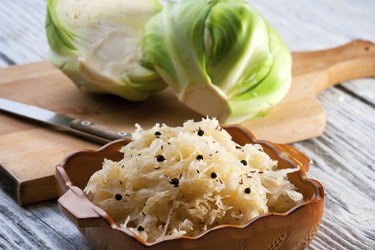
Sauerkraut & Sodium
Nutrition
By
Ann Perry
Which Fruits Have Tannin?
Nutrition
By
Lindsay Boyers
Expert Reviewed
How to Intake Electrolytes Naturally
Nutrition
By
Kelsey Kloss
Expert Reviewed
7 Foods High in D-Aspartic Acid for Plant-Based and Meat-Eaters Alike
Nutrition
By
Sarah Pflugradt
Expert Reviewed
Everything You Need to Know About Benzoic Acid in Food (and if It's Safe)
Nutrition
By
Lisa Maloney
Expert Reviewed
Where Is Sodium Found Naturally?
Nutrition
By
Erica Kannall
Expert Reviewed
Nuts That Are High in Magnesium & Potassium
Nutrition
By
Kate Bratskeir
Expert Reviewed
Manganese vs. Magnesium: What's the Difference?
Nutrition
By
Adam Cloe
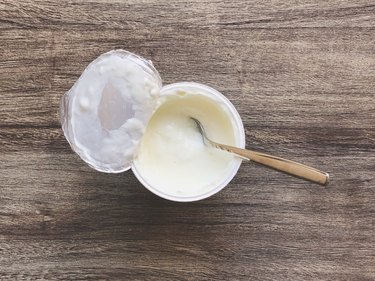
Does Yogurt Block the Absorption of Iron?
Nutrition
By
Dana Severson
Tingling in Hands & Feet & High Potassium
Nutrition
By
Madeleine Burry
Why the Relationship Between Potassium and Sodium Matters
Nutrition
By
Kelsey Kloss
Expert Reviewed
10 Foods High in Inositol for Better Brain Health
Nutrition
By
Angela Dowden
Expert Reviewed
Can Being Low in Certain Vitamins Cause Cracked, Dry Hands?
Nutrition
By
Andrea Boldt
Expert Reviewed
Do You Have a Vitamin Deficiency if Skin Sores Don't Heal?
Nutrition
By
Rachel MacPherson
Expert Reviewed
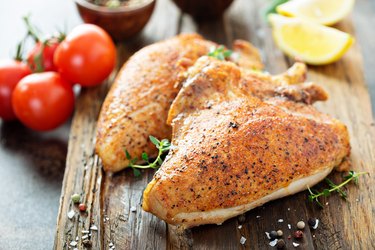
Is Chicken a Source of Iron?
Nutrition
1
2
3
Next
Report an Issue
Contact*:
Severity*:
High
Normal
Low
Description*:
Screenshot loading...
Cancel
Submit