

























































Ozone Machine Dangers

Ozone Machine Dangers
Photo Credit Los Angeles Smog image by CanonXTiGuy from Fotolia.com

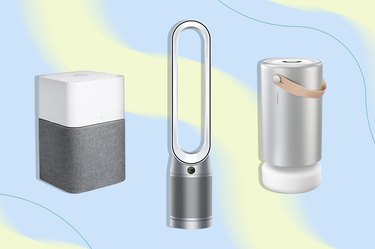
Manufacturers of ozone-producing machines marketed as air purifiers contend that the ozone bonds with organic molecules thus reducing harmful chemical pollutants such as carbon monoxide. Ozone's chemical composition is simple. The oxygen we breath contains two atoms of oxygen bound together. An ozone molecule contains a third atom of oxygen which can break off under an electrical charge and bond with other nearby molecules thus changing their chemical composition. Manufacturers of ozone air purifiers claim this process is what cleans the air around you.

Lung Inflammation

The same property of ozone that allows it to bond with organic materials outside the body lead it to bond with organic material inside the body when breathed in high concentrations. Lungs become inflamed and severe exposure leads to tissue damage. Even mild exposure can lead to shortness of breath, chest pain and an irritated nose or throat.

Exacerbating Chronic Conditions

Asthma sufferers are particularly susceptible to the immediate effects of high ozone concentrations, namely difficulty breathing, coughing and a general tightness in the chest. A 2002 study conducted at the University of Southern California and published in "The Lancet" suggested that high concentrations of ozone not only exacerbate asthma symptoms, but could lead healthy children to actually develop asthma.

Susceptibility to Infection

Those with existing respiratory illnesses are at greater risk of further infection because of inhaled ozone, according to the EPA. The existing reduced lung function in patients with emphysema, asthma and chronic obstructed pulmonary disease, or COPD, for example, are at the greatest risk. The California Air Resources Board has fought for years to reduce levels of ground-level ozone in the environment, and they wholeheartedly condemn the use of indoor ozone purifiers, particularly around high-risk individuals.

False Sense of Security

On the issue of the efficacy of ozone air purifiers, the EPA contends that the machines fail to stand on their own merits. Ozone doesn't bond with pollen or dust, the two greatest causes of indoor air allergic reactions nor does it bond with carbon monoxide, according to EPA-commissioned studies in 1992, 1994, 1995 and 1996. Further, when ozone does bond with ambient chemicals, harmful byproducts, including aldehydes and formic acid---both of which are known lung irritants---are created.

References

Article reviewed by Dougm Last updated on: May 12, 2010

Must see: Photo Galleries