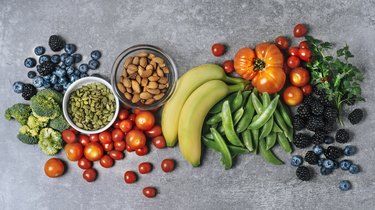
Neuropathy, also known as peripheral neuropathy, is a condition resulting from damage to the nerves outside the brain and spinal cord. With diabetes being one of its most common causes, a neuropathy diet and certain neuropathy dietary supplements can help prevent and manage the condition.
To support nerve health, the Mayo Clinic recommends eating foods for neuropathy, such as fruits, vegetables, whole grains and lean proteins. Eating this way is also considered a healthy eating pattern, per the 2015-2020 Dietary Guidelines for Americans, and will help to prevent many other chronic conditions and diseases. Work with your doctor to find the best foods and any neuropathy dietary supplements that may be best for you.
Video of the Day
Video of the Day
Read more: Side Effects of Switching to a Healthy Diet
About Neuropathy
While diabetes is the most common cause of neuropathy, it can also result from traumatic injuries, infections, metabolic problems, inherited causes or toxin exposure. Symptoms may vary based on the type of nerves affected, as each nerve in the peripheral system has a unique function, explains the Mayo Clinic:
- Sensory nerves receive sensations from the skin, such as temperature, pain, vibration or touch. If sensory nerves are affected, you may experience sharp or burning pain, extreme sensitivity to touch or numbness and tingling in the hands and feet.
- Motor nerves control muscle movement. If motor nerves are affected, you may feel muscle weakness, paralysis or a lack of coordination and frequent falls.
- Autonomic nerves control blood pressure, heart rate, digestion, the bladder and other functions in the body. If autonomic nerves are affected, you may experience heat intolerance, changes in blood pressure or bowel, bladder or digestive problems.
Most people with peripheral neuropathy have polyneuropathy, whereby many different nerves are affected by the condition. If left untreated, neuropathy can have detrimental long-term effects, such as reduced feeling, problems moving and urinary incontinence.
Foods for Neuropathy
If you have a nerve disorder, a neuropathy diet can help improve your nervous system's functioning, according to the Foundation for Peripheral Neuropathy. Incorporate the following foods for neuropathy into your diet, focusing on whole foods in their least processed form:
- Five to 10 servings of fruits and vegetables daily
- Whole grains like brown rice, quinoa, buckwheat and millet
- Legumes such as black beans, chickpeas and fava beans
- Foods rich in omega-3 fatty acids like fish, flax seeds and chia seeds
- Lean proteins like chicken and turkey
- Low-fat or nonfat dairy, such as milk and yogurt
Avoid alcohol on a neuropathy diet, as it can have a toxic effect on nerve tissue. Limit sodium to less than 2,300 milligrams per day, according to the Dietary Guidelines. In addition, avoid any foods with added sugars and saturated fats. Opt instead for monounsaturated and polyunsaturated fats.
Nutrients for Neuropathy
According to the Foundation for Peripheral Neuropathy, specific nutrients work to support nerve health and can help manage or prevent neuropathy symptoms, such as those listed below.
- B vitamins, including B1 and B12: An October 2014 study published in the journal Continuum found that deficiency of B1, aka thiamine, may lead to neuropathy involving the cranial nerves. B1 sources include asparagus, sunflower seeds, green peas, flaxseeds and Brussels sprouts. B12 sources include salmon, trout, canned tuna, sardines, yogurt and 100 percent fortified breakfast cereal.
- Folic acid (vitamin B11)/Folate: Sources may include citrus fruits, bananas, peas, beans, romaine lettuce, cucumber, spinach, asparagus and broccoli.
- Antioxidants: Aim for a variety of colorful fruits and vegetables, including berries, cherries, oranges, grapefruit, red grapes, kiwi, watermelon, tomatoes, spinach, kale, broccoli, onions and bell peppers.
In addition to the the B vitamins mentioned above, an August 2018 report in the journal Clinical Obesity points to vitamin B6, vitamin E and copper as being important for optimal functioning of the nervous system.
You'll want to watch your caloric intake, too. The USDA recommends filling half your plate with vegetables and fruits, one-fourth with whole grains and one-fourth with lean protein.
Meal planning and shopping the perimeter of grocery stores will help you choose the healthiest foods — if it's in a box in the center aisles, it's likely unhealthy. Read the nutrition labels on any packaged foods to be sure you're selecting foods with ingredients that support nerve health.
If your doctor recommends neuropathy dietary supplements, make sure you're taking the correct daily dose for optimal nerve health. You may wish to portion them out into a weekly pill organizer to make it easy to stay on track.
- Mayo Clinic: "Peripheral Neuropathy: Lifestyle and Home Remedies"
- Health.gov: 2015-2020 Dietary Guidelines for Americans: "Key Elements of Healthy Eating Patterns"
- U.S. Department of Agriculture: "What Is MyPlate?"
- Foundation for Peripheral Neuropathy: "Introducing: Healthy Eating for Peripheral Neuropathy by Bill Nolan"
- National Center for Biotechnology Information, U.S. National Library of Medicine: Continuum: "Peripheral Neuropathy Due to Vitamin Deficiency, Toxins, and Medications"
- National Center for Biotechnology Information, U.S. National Library of Medicine: Clinical Obesity: "Neuropathy by Folic Acid Supplementation in a Patient With Anaemia and an Untreated Cobalamin Deficiency: A Case Report"
- Foundation for Peripheral Neuropathy: "Peripheral Neuropathy Nutrition"