





































































Reasons for Stretch Marks in Men

Reasons for Stretch Marks in Men
Photo Credit man with daughter image by Ivonne Wierink from Fotolia.com

Though many people associate the purplish streaks of stretch marks with pregnancy, stretch marks show up commonly on the stomachs, chests, hips, backsides and upper arms of men, too. Stretch marks can appear wherever your skin gets stretched thin by sudden growth, causing the second layer of your skin to break and ultimately scar, explained Jeanine Downie, M.D., a dermatologist, on CBS television's "The Early Show." There is no cure for stretch marks; although the telltale streaks fade with time and can be further faded with microdermabrasion or laser resurfacing, stretch marks never completely vanish.

Weight Gain

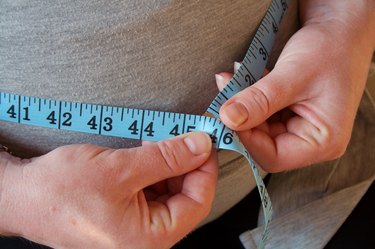
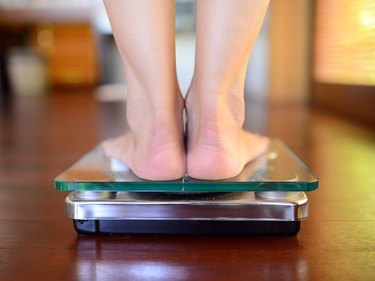
Any time you quickly gain a significant amount of weight, your skin has to stretch to accommodate it, according to the Mayo Clinic's website MayoClinic.com. Men may get stretch marks during their puberty growth spurts, when it's hard for your skin to keep pace with your rapid growth. You may also get stretch marks if you work out regularly with weights since your skin has to stretch to fit your growing muscles. If you're overweight or obese, you may notice stretch marks in places where you've had the most significant weight gain, often your stomach and abdomen.

Cortisone and Corticosteroids

According to MedLine Plus, an online health information resource maintained by the U.S. National Library of Medicine and the National Institutes of Health, long-term use or overuse of cortisone skin creams can cause stretch marks for men. Using corticosteroids--in the form of creams, lotions or pills--can also cause stretch marks, according to the MayoClinic.com. Steroid use may also contribute to the formation of stretch marks in men.

Medical Conditions

If you suddenly notice lots of new stretch marks, they might be caused by a medical condition. According to MedLine Plus, stretch marks can be a side effect of Cushing syndrome and Ehlers-Danlos syndrome. Marfan syndrome, adrenal gland disorders and other genetic conditions may also lead to stretch marks, according to the Mayo Clinic, so if you can't pinpoint a reason for new stretch marks, check with your health care provider to rule out medical causes.

References

Article reviewed by Lisa Dittrich Last updated on: May 30, 2010

Must see: Photo Galleries