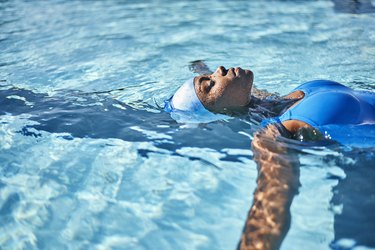
Pool season isn't complete without the scent of chlorine in the air. But does smelling the chemical mean the pool is over-chlorinated? And if so, what is the highest chlorine level that's safe to swim in, and what happens if you're over-exposed to the disinfectant?
Chlorine is added to pools to kill germs — there's a lot of stuff that can come off (and, ahem, out) of the human body when dipping into a pool. And if there are kids in diapers in the pool, well, forget about it.
Video of the Day
Video of the Day
The thing is, a strong scent of chlorine probably isn't from the chlorine itself.
"What you're smelling is chloramine, which is a reaction between chlorine and amines. Amines are compounds that can occur in sweat, urine and stool. This reaction kills bacteria and causes that 'chlorine' smell," Brad Uren, MD, associate professor in emergency medicine at the University of Michigan Medical School, tells LIVESTRONG.com.
The presence of chloramine or too much chlorine in a pool can cause several health problems. Here are the signs and symptoms of swimming in a pool with high chlorine levels and how you can test the waters (literally) to stay safe.
First, What Does Chlorine Do?
Chlorine kills off bacteria like salmonella and E. coli, parasites like giardia and viruses that cause diarrhea and swimmer's ear. It can kill germs in a matter of seconds to 45 minutes, depending on the germ, per the Centers for Disease Control and Prevention (CDC). Ultimately, it's important to have some level of chlorine in your pool to keep you healthy and safe.
But what happens when there's too much?
1. Irritated Eyes
Chloramine is heavier than air, so it hangs at the pool's surface, Dr. Uren says. This can smell especially strong, and if gets into your eyes, it can cause stinging and irritation.
Plus, if chlorine gets in your eyes, it can wash away the tear film that coats the surface of your eyes that keeps them moist and clear, per the American Academy of Ophthalmology.
However, "generally, this is a sign not that there is too much chlorine, but that there's not enough chlorine," Dr. Uren says. In short, the water needs to be better balanced.
Still, exposure to dangerously high levels of chlorine can produce similar symptoms like burning or watery eyes, per the CDC. Normal chlorine levels should not cause these effects.
Tip
According to the CDC, the presence of sweat, skin cells and urine in a pool also decreases the amount of chlorine.
2. Lung Irritation
Chlorine and chloramine gas are both respiratory irritants, Dr. Uren says. As a result, you may experience side effects like lung irritation from unbalanced chlorine in swimming pools, especially if you have asthma, chronic obstructive pulmonary disease (COPD) or a lung injury.
Other symptoms to look out for include nasal irritation, coughing and wheezing, according to the CDC.
3. Dry Skin, Hair and Nails
The good news is that in a properly maintained pool, a brief swim won't harm your skin, Channa Ovits, MD, board-certified dermatologist at Westmed Medical Group in Westchester, New York, tells LIVESTRONG.com.
But even if there's a safe chlorine level in your pool, you may still experience side effects if you're swimming too frequently. "Those who swim often and for extended periods can have the chlorine strip the oils from their skin and hair and get some dryness and irritation, as well as brittle hair," Dr. Ovits says.
And while some people think that there's benefits to chlorine on the skin, this is not true. Chlorine will only irritate and dry it out.
There's more of a risk of skin and hair dryness, along with itching and brittle nails, if there's too much chlorine in the pool, she says. Another sign of too much chlorine in the pool is if your colored blonde hair develops a green tint.
Tip
If you have eczema, being in a chlorine pool is somewhat similar to taking a bleach bath, which is a recommended eczema remedy, according to the National Eczema Association. It’s also possible it can trigger irritation, though. Knowing how your skin responds can help you stay itch-free this summer.
4. Chlorine Poisoning
Can you swim in a pool with high chlorine? Well, high chlorine in pools comes with a risk of chlorine poisoning. It happens when someone swallows or inhales chlorine, according to Mount Sinai.
For instance, there are past reports of 19 adults and children needing to be taken to the hospital after excess chlorine was put into a swimming pool at a California swim school in 2018.
Symptoms of over-exposure to chlorine include the following, per the CDC:
- Blurred vision
- Red and blistered skin (or a swimming pool/chlorine rash)
- Burning in the nose, throat and eyes
- Coughing and difficulty breathing
- Nausea
- Vomiting
Getting to fresh air and rinsing your eyes (if affected) with plain water for 10 to 15 minutes can help, but see a doctor if symptoms persist or get worse.
5. Burns
Pool chemical injuries send more than 4,500 people to the emergency room every year, per the CDC. These often happen in children and teens at home when pool chemicals, like chlorine, are mishandled.
"Read the instructions, because there are many [chlorine] products. Powdered and liquid chlorine, for example, are both used differently," Dr. Uren says.
Storage also matters. For instance, keep chlorine in a well-ventilated place in case of a leak or spill, and also store it on a tray to contain any leaks, he says. Similarly, open up the package in a well-ventilated area. When pouring chlorine into a pool, follow directions carefully.
Signs of Too Much Chlorine in a Pool
The good old smell test is a great way to determine if a pool is safe. "It's totally normal to, say, walk into an indoor pool area and initially smell the faint scent of chlorine," Dr. Uren says.
One of the first signs of too much chlorine in the pool? If your eyes and airways become irritated by the smell. That's a sign the pool's chemicals are not balanced. In fact, healthy pools do not have a strong chemical smell, per the CDC.
How to Test for Safe Chlorine Levels
The Water Quality & Health Council also suggests using a test strip to check the pH and chlorine level. A healthy pH range is 7.2 to 7.8 (a number that limits chlorine side effects while still adequately killing germs); a safe chlorine level in the pool should be at least 1 parts per million (ppm), according to the CDC.
What chlorine level is too high to swim? It depends on who you ask, but the acceptable range is between 1 to 5 ppm, per the Water Quality & Health Council. (So, for example, 10 ppm chlorine is not safe to swim in — that's too high, so it can be dangerous.)
Tip
If you don't know how much liquid chlorine to add to your own pool, consider hiring a pool cleaning specialist to help you learn the ropes prior to maintaining it on your own. They can teach you the proper amount of free vs total chlorine needed, and how to lower pool chlorine if it's too high.
How to Prevent Side Effects From Too Much Chlorine
Follow these tips to avoid chlorine's less-desirable side effects:
1. Stay Out of the Water if It's Not Safe
First and foremost, don't swim in a pool that is not properly maintained.
2. Rinse Off Before Swimming
Public pools have signs asking you to rinse off in the shower before entering the water. Do it! Just one minute of rinsing is all you need to remove the gunk from your body, according to the CDC.
In addition, get your hair wet. "Saturating the hair with fresh water is helpful, as the hair shaft will absorb less chlorinated water," Dr. Ovits says.
3. Wear Protective Gear
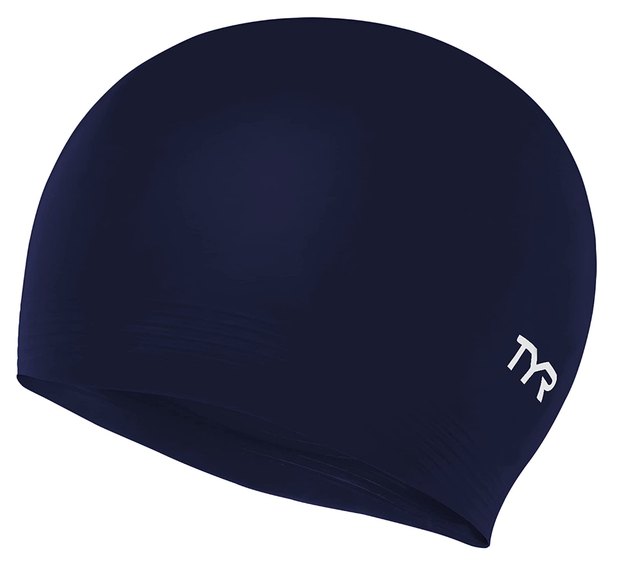
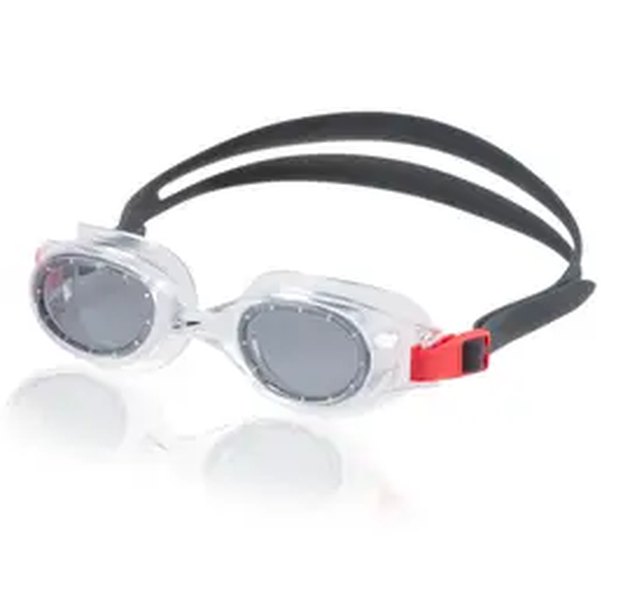
4. Use Lubricating Eye Drops and Ear Drops
To help ease eye irritation, the American Academy of Ophthalmologists recommends using lubricating eye drops to help alleviate any redness or itchiness you develop while swimming.
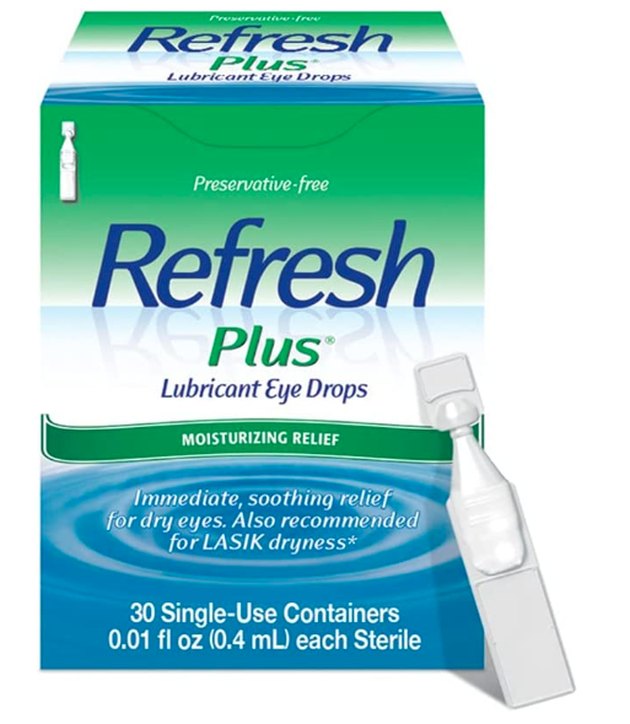
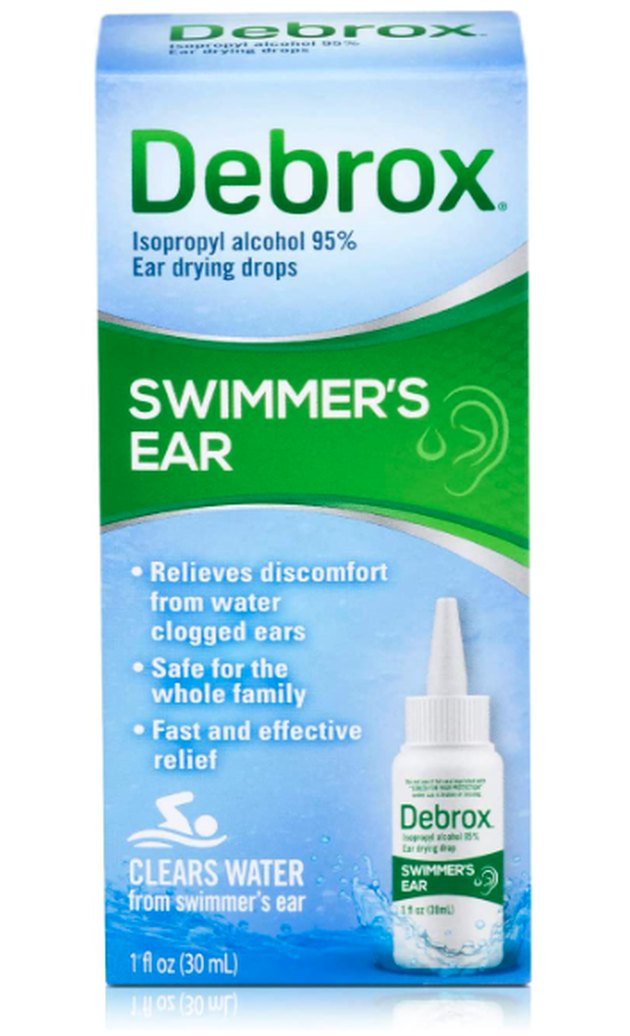
And in addition to cleaning out your ears after swimming, using ear drops to help prevent the buildup of water (and subsequently, possible swimmer's ear) can be helpful.
5. Moisturize After Swimming
Don't lotion up skin before going into a pool, as it can make your sunscreen less effective, Dr. Ovits says.
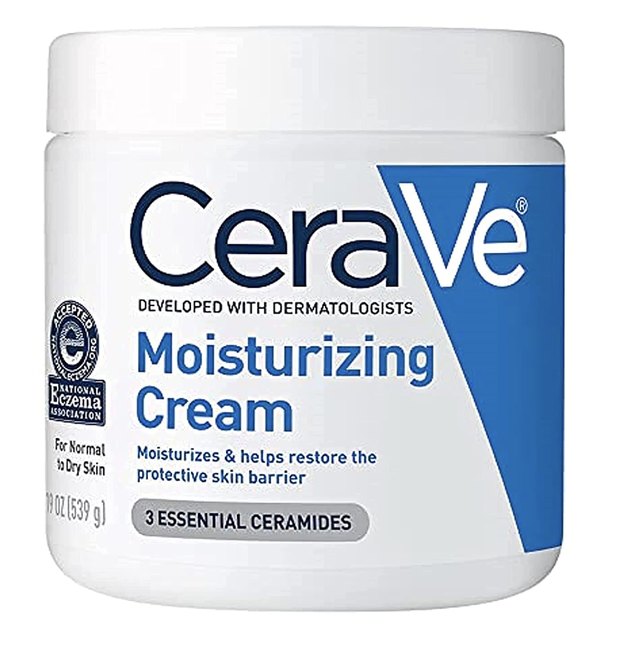
After you get out of the pool and are done with outside time, that's a great time to apply a moisturizer "to help your skin rebuild the protective oil barrier that has been stripped," she says. Look for one with ceramides.
The Bottom Line
Swimming in a pool with too much chlorine can cause uncomfortable and sometimes dangerous side effects, so make sure chlorine levels are in a safe range before you take a dip.
If you want to reap the health benefits of swimming, make sure you are doing so in a healthy pool or body of water.
FAQ
1. What Is an Unsafe Level of Chlorine to Swim In?
Per the Water Quality & Health Council, an acceptable range of chlorine to swim in is between 1 and 5 ppm. Anything above that can be unsafe and cause unwanted side effects.
2. Is It Bad to Swim in Chlorine Every Day?
It can be, especially if you're swimming in a pool with too much chlorine, and if you're not taking steps pre- and post-swim to ensure your health and safety.
2. Is Swimming in a Chlorine Pool Safe During Pregnancy?
Swimming in a chlorinated pool while pregnant is generally safe, especially if there are healthy levels of chlorine and you take measures to stay healthy before and after swimming.
In fact, one January 2019 study in Environment International, which followed more than 1,000 pregnant people, found little association between things like birth defects (enlarged head circumference, birth weight, length and DNA modification) and amount of time spent in chlorinated water.
The American College of Obstetricians and Gynecologists also suggests swimming as a safe and gentle exercise to do while pregnant. There are several different pool exercises you can try — pregnant or not.
3. How Do I Lower the Chlorine Level in My Pool Fast?
If you've put too much chlorine in your pool, you can help lower the levels by exposing the water to sunlight and fresh air. You can also dilute the pool water by draining it and adding a bit of fresh water, or adding chemical agents like pool-grade hydrogen peroxide or chlorine neutralizers like sodium thiosulfate, per Swim University.
If in doubt, contact a local pool cleaning service for help.
- American College of Allergy, Asthma and Immunology: Chlorine "Allergy"
- Centers for Disease Control and Prevention: "Water Treatment and Testing"
- Centers for Disease Control and Prevention: "Pool Chemical Injuries Lead to Over 4,500 Emergency Department Visits Each Year"
- Centers for Disease Control and Prevention: "Facts about Chlorine"
- Centers for Disease Control and Prevention: "Red Eyes and Swimming"
- Mount Sinai: "Chlorine poisoning"
- National Eczema Association: "Swimming with eczema: What you should know before you take the plunge"
- Water Quality & Health Council: "What are the allowable min/max PPM ranges for acceptable chlorine levels in swimming pools and spas? Is there a documented requlation that states this?"
- Water Quality & Health Council: "THAT “CHEMICAL SMELL” AT THE POOL ISN’T WHAT YOU THINK IT IS"
- Environment International: "Maternal swimming pool exposure during pregnancy in relation to birth outcomes and cord blood DNA methylation among private well users"
- Swim University: "How to Lower the Chlorine in Your Pool"
- American Academy of Ophthalmology: "What You Should Know About Swimming and Your Eyes"
Is this an emergency? If you are experiencing serious medical symptoms, please see the National Library of Medicine’s list of signs you need emergency medical attention or call 911.