



Complications of the IUD

Complications of the IUD
Photo Credit doctor t image by Andrey Kiselev from Fotolia.com

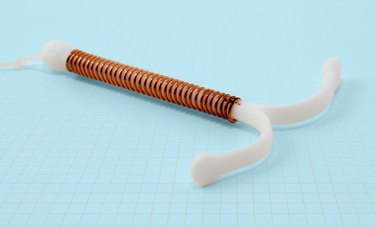
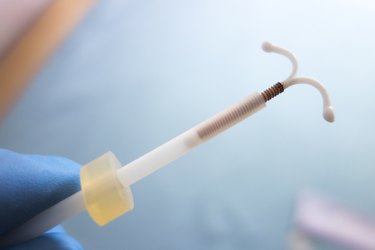
An intrauterine device, or IUD, is a birth control method used to prevent pregnancy. Two types of IUDs are available: one containing hormones, and one made from copper that's hormone-free. An IUD is inserted directly into the uterus and changes the biochemistry inside to prevent fertilization, and can be left in place for up to seven years.

Planned Parenthood reports that the IUD is a safe method of birth control; however, the potential for complications exists. Not every woman can use an IUD--such as those with a history of uterine infections or abnormal pap smears--due to the risk of increased complications, and a medical screening is done preemptively to minimize the risk of IUD-related complications.

Uterine Perforation

Perforation of the uterus may occur during IUD insertion if an end of the IUD passes through the uterine wall, resulting in a puncture wound to the uterus. The American Congress of Obstetrics and Gynecologists says the risk of uterine perforation is about 1 in 1,000. Although uterine perforation commonly occurs during IUD insertion, it's also possible for a placed IUD to become loose and cause perforation as well. Uterine perforation can cause cramping and abdominal discomfort, and requires medical attention for removal of the displaced IUD and evaluation of perforation severity.

IUD Expulsion

Expulsion of an IUD occurs when the intrauterine device is pushed out of the uterus and into the vagina, rendering the device ineffective for preventing pregnancy. The University of Maryland Medical Center explains that IUD expulsion is most likely to occur within the first year of insertion, if the device was inserted shortly after childbirth, or during a menstrual cycle.

Each IUD has a two- to three-inch plastic string that hangs out of the cervix and can be felt manually inside the vagina. A woman should regularly check for the presence of her IUD string to ensure the IUD is still in place. An absent string can indicate that the IUD is either expelled or has potentially moved out of place.

Infection

Complications can arise if IUD insertion causes infection. Bacteria can travel inside the uterus during insertion, causing infection in the uterus or Fallopian tubes. Left untreated, uterine infections can cause scar tissue to form in the uterus or Fallopian tubes, increasing the risk of fertility problems. Abdominal pain, uterine cramping, discolored or foul-smelling vaginal discharge and fever may accompany an IUD-related infection.

References

Article reviewed by Anton Alden Last updated on: Apr 29, 2011

Must see: Photo Galleries