
































































Dr. Cindy's Basic Guide to Probiotics
What Are Probiotics?
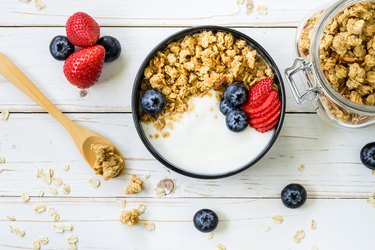
Probiotics are live microorganisms that are found in a variety of foods (e.g. fermented milk, yogurt, kefir, miso, natto, tempeh, kimchee, olives, sauerkraut, pickles, some juices and soy beverages) and dietary supplements (powders, tablets and capsules). They are similar to the beneficial bacteria that naturally occur in the human digestive tract and, as such, are often referred to as "good" bacteria. The word probiotics means "for life."
Important to Your Health
Your body is home to trillions of different bacteria. The ratio of "good" bacteria to "bad" bacteria is a critical measure in determining your overall health. It is currently estimated that approximately 80 percent of the cells in your immune system are located in your digestive tract. With that in mind, it's easy to see why the health of your digestive tract dictates your overall health. The ideal balance of "good" bacteria to "bad" bacteria in your body is 85 percent "good" to 15 percent "bad." For most people today, this percentage is reversed. When the bacteria in your body is out of healthy balance, not only is your ability to absorb essential nutrients and excrete waste products and toxins compromised, but so is your immune system--and therefore your ability to defend against serious illness and disease. The facts about probiotics are now clear: sufficient amounts of "good" bacteria in your digestive tract are fundamental to your overall health, and it is impossible to get healthy or stay healthy if your "good" to "bad" bacteria balance is out of whack.
How Do Probiotics Work?
Probiotics replenish beneficial microorganisms in your body, eating up sugar and "bad" bacteria in your digestive tract while restoring healthy balance.
What Destroys or Reduces the Amount of "Good" Bacteria in Your Body?
Our SAD (Standard American Diet) eating habits, exposure to toxic chemicals through our food supply and surrounding environment, overuse of prescription medications and stressful lifestyles all alter the healthy balance of our intestinal bacteria. Two of the most destructive agents to the "good" bacteria in your digestive tract are chlorine and sodium fluoride, both of which are present in almost all the water we drink and toothpaste we use to clean our teeth. Of further concern are the antibiotic medications and vast array of antibacterial products we use every day that not only kill the "bad" bacteria we don't want, but also the "good" bacteria we do want. Processed and chemically laden food, as well as sugar and sugar substitutes, also kill off "good" bacteria. Alcohol, birth control pills and stress are also known to destroy a healthy "good" to "bad" bacteria balance.
As Your Gut Goes, so Does Your Health
Some of the most challenging and chronic medical conditions of our day are beginning to be linked to an unhealthy balance of "good" to "bad" bacteria in our digestive tract. These conditions include, but are not limited to, allergies, autism, Alzheimer's disease, anxiety, obesity, diabetes, and some forms of cancer and chronic inflammatory conditions like lupus, multiple sclerosis (MS) and rheumatoid arthritis, as well as chronic fatigue syndrome (CFS) and fibromyalgia.
Why Probiotics?
Current research suggests that supplementing with probiotics can reduce the risk of several conditions, including infectious diarrhea, intestinal infection by the clostridium difficile bacterium, irritable bowel syndrome (IBS), inflammatory bowel disease (Crohn's disease and ulcerative colitis), Helicobacter pylor (H. pylori, or a bacterial infection which causes ulcers and chronic stomach inflammation), leaky gut (an inappropriate immune response caused by a compromised intestinal wall that allows undigested foods and toxins to pass into the bloodstream) and lactose intolerance.
Supplementing with probiotics can also aid in good digestion or healthy absorption and elimination, prevent allergies and, perhaps most importantly, strengthen your immune system.
How Often and How Much to Supplement With Probiotics?
Probiotic supplements should be taken twice daily, once in the morning and once in the evening, with a minimum of 10 to 20 billion live organisms (CFU) per dose.
What to Look for in a Probiotic Supplement
The best probiotics are those that have a long shelf life; don't need to be refrigerated; have an "enteric-coating" that enables them to survive your stomach acids and reach your small intestine; stay resident in your intestine long enough to be effective; and are a combination product made up of multiple species of organisms.


Member Comments