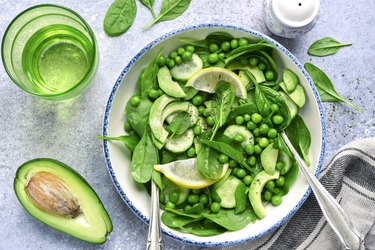
A salt-free diet comprised of no-salt foods or sodium-free foods may be ideal for those with certain medical conditions. Reducing or eliminating salt intake can also be beneficial for those looking to watch their waistline and health.
Tip
Following a low-sodium food chart can help you eliminate excessive consumption of processed foods.
Video of the Day
Why We Need Salt
Sodium, also known as salt, is a mineral that is essential in small amounts, according to the Mayo Clinic, in order to help your body maintain the right balance of fluids, transmit nerve impulses and aid in the contraction and relaxation of muscles.
Video of the Day
Some people are more sensitive to the effects of sodium than others, meaning they more easily retain sodium, which can cause fluid retention and increased blood pressure. If this becomes chronic, it can lead to more serious conditions such as heart disease, stroke, kidney disease and congestive heart failure.
Sodium-sensitive people might want to opt for a special diet that reduces the amount of carbohydrates and sodium consumed daily. A March 2015 study published in Journal of the American College of Cardiology suggests that while sodium is essential for both function and balance within the body, excess sodium in a diet has been linked to high or elevated blood pressure.
No Sodium Diet Health Benefits
The Centers for Disease Control and Prevention (CDC) explain that there is an association between higher sodium excretion and higher blood pressure, adding that people with higher than usual sodium intake had higher blood pressure. The 2015–2020 Dietary Guidelines for Americans recommends limiting sodium to less than 2,300 milligrams a day.
However, the average American consumes more than this amount at about 3,400 milligrams of sodium daily. The CDC estimates that 90 percent of American adults consume too much sodium and about 29 percent of U.S. adults have high blood pressure, which can be linked to excessive sodium levels. Opting for a dietary and lifestyle change that reduces fat and salt may control or even prevent these complications.
Try Eating Sodium-Free Foods
Limiting sodium and fluid intake will help prevent and control the amount of fluid surrounding the heart, lungs or in the legs, explains the Cleveland Clinic. Carrying extra fluid makes the heart work harder; this can lead to an increase in blood pressure.
An April 2013 study published in The BMJ concluded that most people benefit from reducing sodium intake. Their research suggested that a lower intake in sodium was also associated with a reduced risk of serious health conditions in adults, such as strokes or fatal coronary diseases.
Consuming sodium-free foods can help prevent of control these conditions. Tips to eliminate or reduce sodium include steering clear of using added salt, garlic salt, onion salt, MSG, meat tenderizers, broth mixes, soy sauce, teriyaki sauce, barbecue sauce, sauerkraut, olives, pickles, pickle relish, bacon bits and croutons.
Instead, opt for fresh foods seasoned with orange, lemon, lime or pineapple juices, vinegar and herbs or spices. Avoid or cut down on the use of processed foods, as well as eating restaurant meals traditionally known to be laden with excessive salt such as cured meats, pizza, Chinese takeout and other fast foods.
- Mayo Clinic: "Sodium: How to Tame Your Salt Habit"
- NCBI: "Effect of Lower Sodium Intake on Health: Systematic Review and Meta-analyses"
- Cleveland Clinic: "Sodium Controlled Diet"
- Centers for Disease Control and Prevention: "Salt: Studies and Research Reviews"
- Health.gov: "Dietary Guidelines for Americans 2015-2020"
- NCBI: "Dietary Sodium and Health: More Than Just Blood Pressure"
Was this article helpful?
150 Characters Max
0/150
Thank you for sharing!
Thank you for your feedback!