
Overview
While listening to romantic music or snuggling up to your partner might help put you in the mood, research shows that eating certain foods may play a larger role in a woman's sexual health. "A woman's overall health plays a big role in her sexual well-being and can positively affect conditions she may be suffering in the bedroom. Chronic urinary tract infections (UTIs), yeast overgrowth, polycystic ovarian syndrome (PCOS), vaginal dryness or moodiness and irritability are just some of the problems that can plague many women, making intimacy a dreaded task instead of the sensual and enjoyable experience it should be," says Misti Gueron, M.S., RD, medical nutrition therapist at the Khalili Center. Research shows these nine foods might help alleviate and, in some cases, resolve your sexual discomforts.
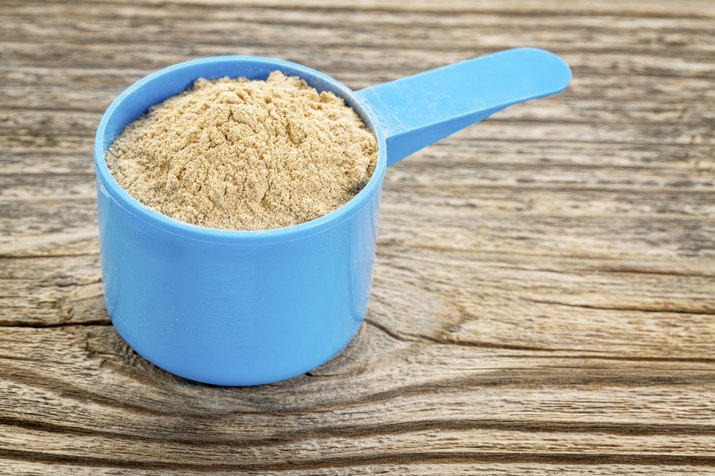
1. For Better Libido: Maca Root
Maca is the common name for Lepidium meyenii, a plant in the broccoli family. The maca root (often called Peruvian ginseng) refers to the root of the plant, which resembles a turnip. The root has been used for centuries as an aphrodisiac for both men and women. A review study published in BMC Complementary and Alternative Medicine showed that maca root may be effective at increasing sexual desire when taken for at least six weeks at a dosage ranging from 1.5 to three grams per day. Another study published in 2008 in CNS Neuroscience and Therapeutics, found consuming three grams of maca per day significantly helped improve sexual dysfunction in women who are being medically treated for depression. Because maca root has a dirt-like, grassy taste, the capsules are generally better tolerated as compared to the powders.
Read More: 15 Exercises Every Woman Should Do to Improve Her Sex Life
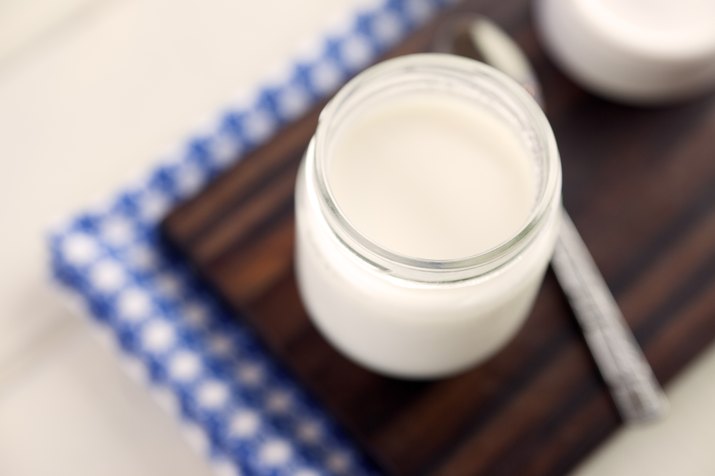
2. For Yeast Infections: Plain Yogurt
Commonly called a yeast infection, vaginal candidiasis (candida) is a fungal infection that can produce burning, itching or a vaginal discharge. "Plain yogurt is full of probiotics for a healthy gut, and research shows it may help prevent yeast infections, especially with the use of antibiotics," says Susan B. Dopart, M.S., RD, CDE, author of "A Recipe for Life by the Doctor's Dietitian." Plain yogurt is better than sweetened yogurt since sugar feeds candida (the fungal infection) and makes the problem worse. Daily consumption of lactobacillus acidophilus, a beneficial bacteria found in yogurt that says "live active cultures" on the label, or consuming a probiotic supplement may help your body maintain its own natural balance of healthy bacteria and minimize these painful occurrences. Talk to your doctor to see what foods or supplements are best for your condition.
Listen Now: How to Turn Anxiety Into Your Best Friend
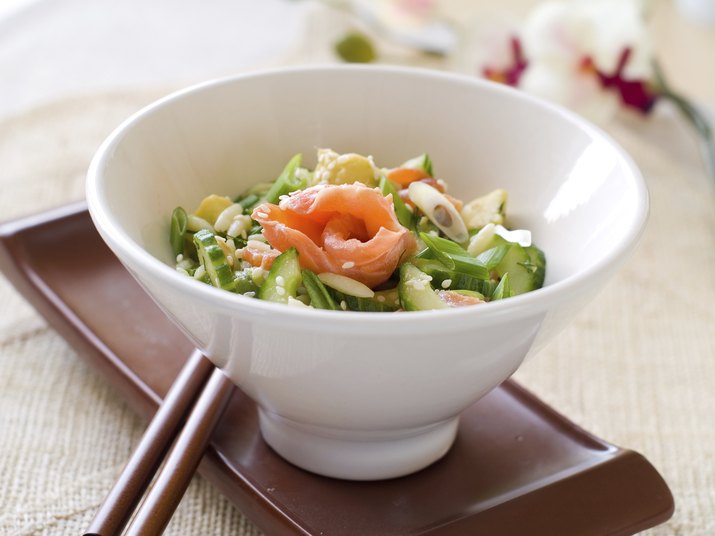
3. Mood Disorders: Omega-3 Fatty Acids
When a woman is stressed and irritable, it's likely that the only thing she's thinking of when it comes to the bedroom is sleep. Fortunately, some foods can help boost your mood. "Foods rich in omega-3 fatty acids (in the forms of DHA and EPA) are showing positive results for mood disorders," says Misti Gueron, M.S., RD, medical nutrition therapist at the Khalili Center. The richest sources of these valuable oils are found in cold-water fish like salmon, mackerel, herring, lake trout, sardines and albacore tuna. The American Heart Association recommends people eat fish at least two times (two servings) a week. One serving of fish equals 3.5 ounces cooked or about three-quarters of a cup of flaked fish. Unfortunately, most adults and children do not consume enough EPA and DHA, and, as a result, their blood levels of these fats are low -- and particularly low in people with depression.
Read More: 17 Reasons Why You Probably Need More Omega-3s in Your Diet
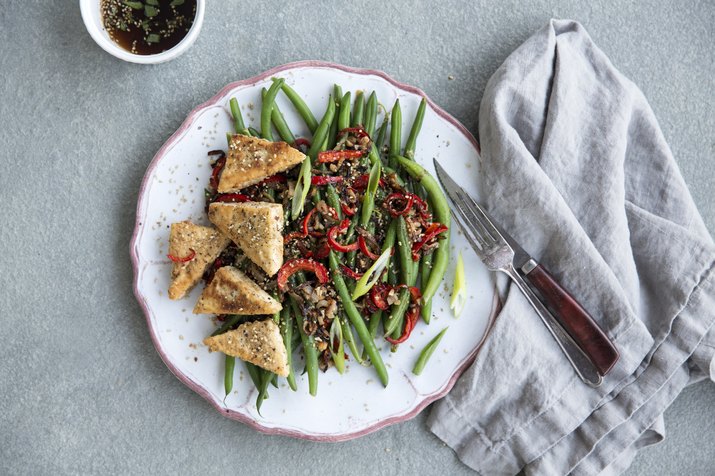
4. Vaginal Dryness: Soy Foods
Vaginal dryness may occur for several reasons, including medications, medical treatments, childbirth and breastfeeding, but the most common reason may be decreased estrogen such as is commonly seen in menopause. "The hormone estrogen helps maintain the clear fluid lubricating the walls of the vagina. For women whose doctors have confirmed changing levels of estrogen, there are some foods (like soy products) rich in phytoestrogens that may help alleviate some of these bothersome symptoms. Soy products like tofu, edamame, soy milk and soy cheese as well as soy-based vegan meats contain plant chemicals called phytoestrogens, and these substances may actually mimic our bodies own natural circulating estrogens," says Misti Gueron, M.S., RD. If you prefer GMO-free soy foods, look for the "Non-GMO Project" verified seal or buy USDA Organic, which cannot intentionally include any GMO ingredients.
Read More: Should I Be Eating Soy?

5. Polycystic Ovary Syndrome (PCOS): Lean Protein Foods
According to the office of women's health, polycystic ovary syndrome (PCOS) occurs in approximately five million women in the United States. "PCOS is a condition that can effect a woman's hormones, causing menstrual, vaginal, dermatological, mood and blood sugar irregularities and may even influence her ability to conceive. Needless to say, such changes may profoundly influence her sexual health," says Misti Gueron, M.S., RD. Many women do not know that several symptoms of PCOS may be effectively managed through diet and that one of the key aspects is consuming adequate lean protein sources with each meal. "Poultry, lean meats, eggs, fish and seafood, low-fat dairy and soy products, legumes and small amounts of nuts and seeds added to meals help aid in blood sugar regulation and may aid in some symptom management." Try foods like eggs or protein-rich yogurt for breakfast and abundant vegetables topped with seared fish or chicken and sprinkled with soybeans for a healthy lunch, advises Gueron.

6. Urinary Tract Infections (UTIs): Water
At least 60 percent of women at some point in their lives will experience a urinary tract infection (UTI), and for some this nagging and painful condition reoccurs, making intimacy an ongoing hardship. Drinking water every day and after sex is one of the best ways to avoid a UTI. "We use water to clean our dishes and wash our clothes, and yet many women do not drink enough water to flush their systems of waste products and bacterial accumulation, especially in the urinary system. Whether the exposure to bacteria happens during sexual intimacy, bathroom habits, soiled undergarments or other reasons, drinking eight to 10 cups of water daily will flush out and minimize your risk of a bacterial infection before it spreads," says Misti Gueron, M.S., RD.
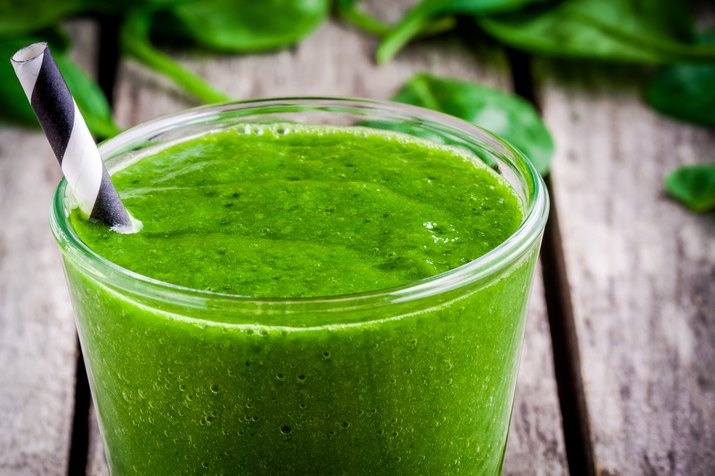
7. Premenstrual Syndrome (PMS): Leafy Green Vegetables
Fatigue, trouble sleeping, anxiety, tension and mood swings are all common symptoms of premenstrual syndrome (PMS), and eating more magnesium-rich foods might help. Known as "nature's tranquillizer," low levels of magnesium have been reported in women with PMS, and magnesium supplementation has been found to be useful in alleviating many of the symptoms of PMS, especially when taken with vitamin B-6 at the same time. Magnesium has also been shown to help alleviate blood vessel spasms associated with migraine headaches. Good sources of magnesium include green leafy vegetables (such as spinach, kale and collard greens), nuts and seeds, avocado, bananas and fish.
Read More: What Are THE 28 Most Nutritious Foods?
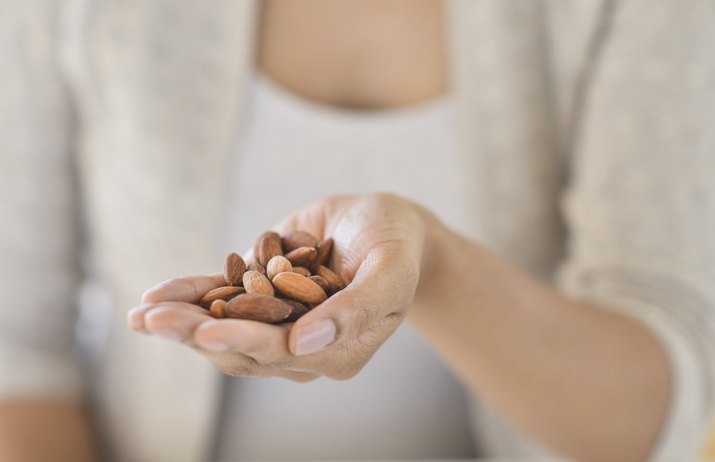
8. Vaginal Dryness: Almonds
Vaginal dryness is a common symptom of menopause, but it may also occur as a result of certain medications, medical treatments, yeast infections or hormonal changes. "A key element to maintaining vaginal moisture during times of hormonal change appears to be consuming adequate amounts of vitamin E, whether from a supplement or from food." says Misti Gueron, M.S., RD. Foods rich in vitamin E include almonds, wheat germ and wheat germ oil, sunflower seeds, dark green leafy vegetables and avocados.
Read More: 9 Healthy Nuts That May Help You Live Longer

9. Libido: Dark Chocolate
Giving a woman a box of chocolates has long been a romantic gesture, but it might help her sex drive as well as her affection. Dark chocolate contains theobromine, a substance that makes you feel stimulated and excited. Dark chocolate also contains L-arginine, an amino acid that increases nitric oxide and promotes blood flow to sexual organs, which increases sensation. Thirdly, chocolate contains phenylethylamine (PEA), a "feel good" chemical that releases dopamine, the brain chemical that is also released during orgasm. PEA is naturally released in your brain when you're in love and can induce a feeling of euphoria. However, since chocolate is high in sugar and calories, and weight gain will make your libido plummet, it's best to limit it to a one-ounce serving.
Read More: The 12 Best "Clean" Dark Chocolate Bars

What Do YOU Think?
Have you found any benefits to your sexual health from eating certain foods? Would you try any of the foods noted in this article to help alleviate a certain condition? Leave a comment below and let us know. Share your experience on how making lifestyle changes have affected your life -- maybe your knowledge will help others!
Read More: Things You Can Do Today That Your Future Self Will Thank You For
Video of the Day
Advertisement
Video of the Day