
























































Some people may not realize how important healthy eyes are until they begin to fail them. Keeping your eyes in optimum condition can start at any time, and requires little more than following a diet rich in anti-oxidant vitamins A, C, and E, along with zinc and lutein. These sources of good health can easily be found in tasty food.
Foods Rich in Vitamin A
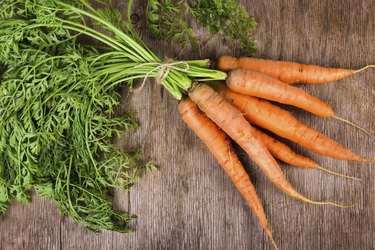
When you were told to eat your carrots as a child, there was a good reason. Carrots are loaded with an antioxidant compound called beta-carotene, which converts within the body to vitamin A. Vitamin A is in turn sent to the eyes, where it optimizes eyesight in low-light situations and helps adjust to bright light. According to the experts at Eye Care Source, it also helps prevent the onset of cataracts and macular degeneration, which is the No. 1 cause of blindness.
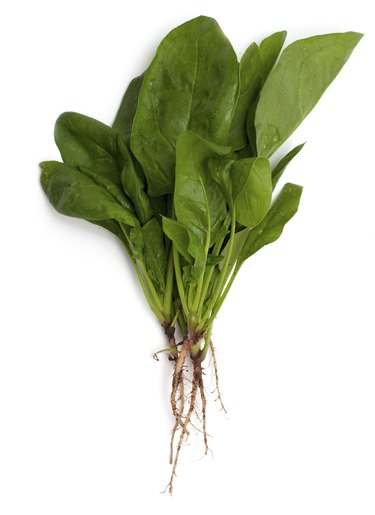
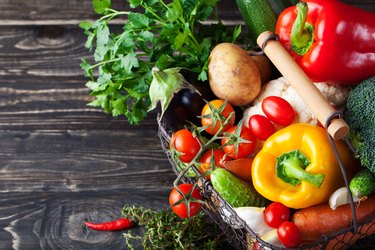
Vitamin A is available from plant and animal sources. The richest plant sources are carrots, sweet potatoes, spinach, peaches, red peppers, mangoes and apricots. The National Institute of Health's Office of Dietary Supplements states that vitamin A from animal sources has already been converted, and is therefore more easily absorbed and readily used by the body. Liver, milk, cheese and eggs are excellent animal sources of vitamin A.
Foods Rich in Vitamin C
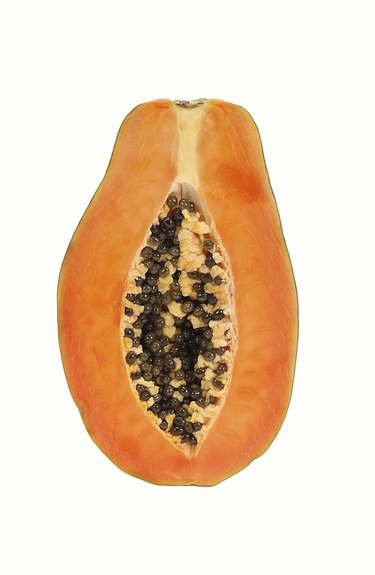
Like vitamin A, vitamin C is an antioxidant vitamin, which means it protects the body from damage caused by the negative elements we encounter every day--from stress to pollutants. Vitamin C also protects eye health. A study published in the American Journal of Clinical Nutrition reported that use of vitamin C helped prevent cataracts and other lens disorders of the eye, especially those that are a result of aging. Some food sources of vitamin C are citrus fruits, strawberries, broccoli, papaya, red and green peppers, Brussels sprouts and sweet potatoes.
Foods Rich in Vitamin E
Vitamin E doesn't just come in a capsule supplement. There are delicious food choices that contain vitamin E. The problem often lies in the fact that not many people are able to get an adequate amount of vitamin E through food sources alone, which is why supplementation is often recommended. Vitamin E is another antioxidant that offers eye protection, mainly from the onset of cataracts. A report on vitamin E from the American Optometric Association states that it also plays a role in preventing macular degeneration. Vitamin E can be found in food sources such as wheat germ, safflower, corn and soybean oil; nuts such as almonds, sunflowers, walnuts, hazelnuts and peanuts; and can even be obtained from peanut butter. Ohio State University lists vegetables such as tomatoes, sweet potatoes, spinach, asparagus and turnip greens as good vitamin E sources.
Food Sources of Zinc and Selenium
Zinc and selenium are necessary minerals that give the body the ability to better absorb the antioxidant vitamins above. Dietary sources of zinc are beef, yogurt, cheese, nuts and beans, as well as cereals that are fortified with zinc. The World's Healthiest Foods Encyclopedia lists selenium-rich foods as mushrooms, Brazil nuts, cod, salmon, tuna, garlic, oats, lamb and turkey breast.
Although all of these foods alone will help keep eyes healthy, it's the combination of the nutrients working together that shows the most benefit. Researchers in Australia found that the combined intake of the above nutrients offered protection to the eyes. Some foods, such as sweet potatoes, contain almost all of the nutrients, making them an excellent food choice for eye health.


Member Comments