




















































Fruits Containing Vitamin B
Vitamin B is actually composed of several vitamins. Most fruits contain trace amounts of various B vitamins, except for vitamin B12, which is only available from animal sources. The American Cancer Society states that the B vitamins are water-soluble, which means that excess amounts do not get stored in the body, but are sent out of the body in the urine. Because they are not stored, the B vitamins need to be continually replaced. While B vitamins are more prevalent in vegetables and dairy products, you will find a small amount of them in most fruits. Some fruits, however, deliver more B vitamins than others.
Bananas
Bananas are an excellent source of vitamin B6 (pyridoxine). The National Institutes of Health state that vitamin B6 is necessary for the proper functioning of cells in the skin, mucous membrane and nervous system. Bananas also contain vitamin B2 (riboflavin), which is essential for cellular growth and function, and the production of energy, and B9 (folic acid). Other B vitamins in bananas--available in trace amounts--are vitamin B1 (thiamin), vitamin B3 (niacin) and vitamin B5 (pantothenic acid).
Watermelon
Watermelons are more than tasty. They contain several of the B vitamins. According to "Nutrition Data," a website that provides nutrition information from the USDA, watermelon contains vitamin B1 (thiamin), vitamin B3 (niacin), vitamin B5 (pantothenic acid), vitamin B6 (pyridoxine) and Folate (vitamin B9). Folate is the B vitamin of which watermelon has the highest concentration. The Ohio State University's fact sheet on folate states that it is necessary for the formation of red blood cells and genetic material within those blood cells.
Oranges
Oranges are very high in folate (vitamin B9). The OSU fact sheet on folate also mentions that it is necessary to prevent neural tube defects in the formation of a fetus. Folate is highly recommended for pregnant women, especially within the first month of pregnancy. Other vitamin B minerals in oranges, available in trace amounts, are vitamin B1 (thiamin), vitamin B2 (riboflavin), vitamin B3 (niacin), and vitamin B5 (pantothenic acid).
Avocado
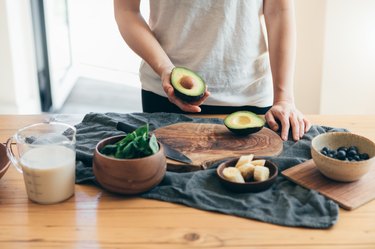
Avocados contain several B vitamins, with folate and vitamin B3 (niacin) topping the list. The National Institutes of Health state that niacin helps keep the digestive system functioning properly, and maintains healthy cell function in skin and the nervous system. Other B vitamins an avocado delivers are vitamin B1 (thiamin), vitamin B2 (riboflavin) and vitamin B6 (pyridoxin).
Other Fruits
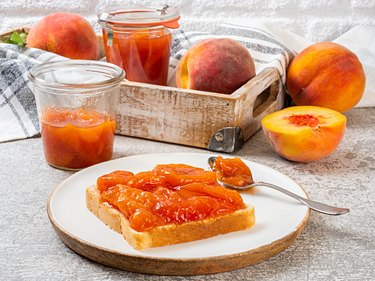
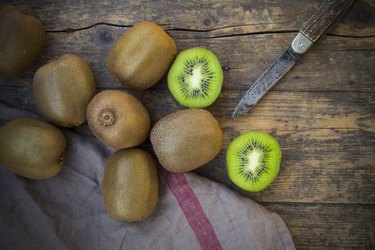
There are other fruits that contain small traces of B vitamins. They are kiwi, blackberries, strawberries, mangoes, cantaloupe, citrus fruits and peaches.


Member Comments