


































Foods rich in calcium can assist in healing a broken bone. When calcium is absorbed into your bones, it provides the needed strength to heal a fracture. In order to assist with the absorption of calcium, your bones also need the support of magnesium, phosphorus and vitamins A, C and D. Meet with your doctor and undergo the appropriate blood work before making any changes to your diet.
Nuts and Seeds
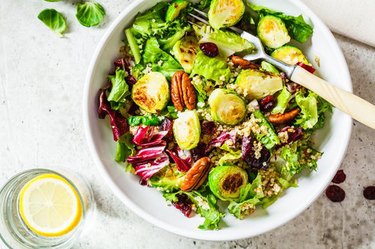
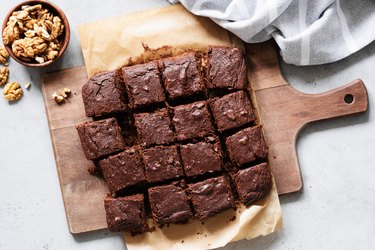
Nuts and seeds such as almonds, hazelnuts, Brazil nuts, sunflower seeds, sesame seeds, pistachios and walnuts are all rich in calcium, magnesium and phosphorus. Nuts and seeds can also provide doses of vitamins A and C. You might try incorporating these as a snack or as an addition to a salad.
Sea Vegetables
Sea vegetables are found to have dense quantities of calcium and magnesium for bone strength. Common sea vegetables include hijiki, wakame, kelp, nori, agar-agar and kombu. Sea vegetables are found in most health food stores and are usually sold dried and packaged.
Beans
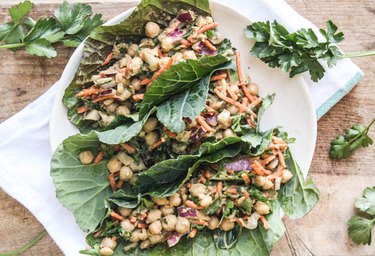
Garbanzo, black and pinto beans all contain abundant calcium and phosphorous. If your body tolerates soy, you might also like to try soy products, such as tofu, to increase your calcium intake.
Greens
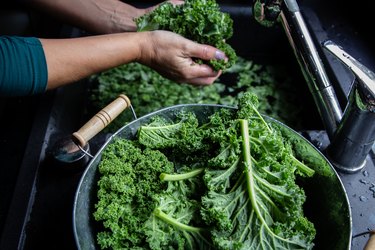
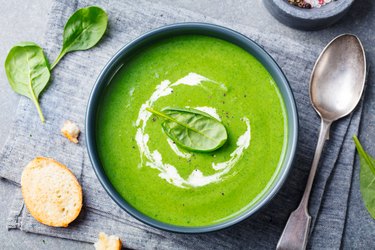
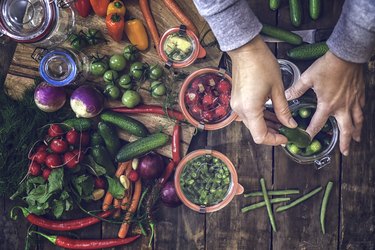
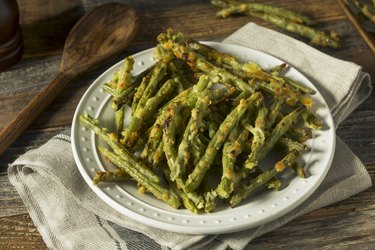
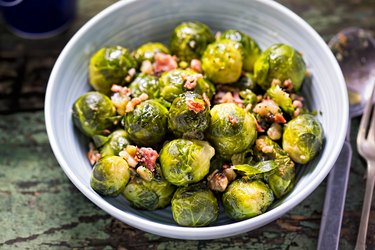
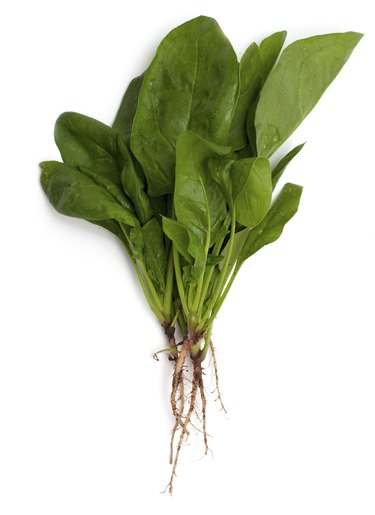
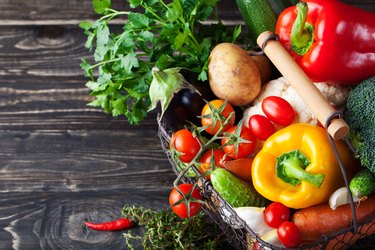
The vegetable kingdom is an important source of calcium. Consider including foods such as kale, collard greens, cabbage, spirulina, turnip greens and parsley. You might also try supplementing your diet with wheat grass. Greens are said to offer the most absorbent form of calcium, and they also provide your body with supportive nutrients such as magnesium, phosphorus and vitamins A and C.
Grains
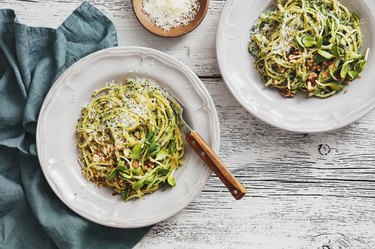
Amaranth, quinoa and brown rice all contain calcium, magnesium and phosphorus. Additionally, millet, barley, wheat and rye all contain doses of vitamin A beneficial to absorbing calcium for strong bones. Try replacing white rice and pasta with these nutrient-rich grains.
Animal Products
If you eat animal products, consider the ones rich in calcium and vitamin D in order to assist your healing bones. These include sardines, yogurt, milk, salmon, cottage cheese, eggs, halibut, chicken, ground beef and mackerel. Be aware that excesses of protein in your diet, especially from meat, can actually inhibit calcium absorption.
References
- "Healing With Whole Foods"; Paul Pitchford; 2002
- "Eating For Bone Health"; The University of Arizona; 2004


