






















Impetigo is a skin infection that affects the top layers of skin and typically occurs during the first two to six years of childhood. Both staphylococcus and streptococcus bacteria can cause impetigo, though staphyloccocus is usually the culprit, according to Cleveland Clinic. Treatment of the infection by a health care provider may be warranted.
Onset of Impetigo Symptoms
According to Cleveland Clinic, impetigo symptoms typically take between one and three days after exposure to staph or strep bacteria to develop. Impetigo may occur at the site of an insect bite, scratch or bruise, but may also occur when no break in the skin is visible.
Impetigo Lesions
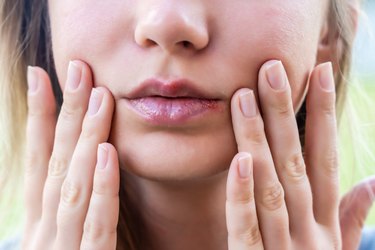
MayoClinic.com reports impetigo as producing red sores that rupture quickly and continue to ooze for several days. The infection is carried in the fluid that oozes from the blisters, which makes impetigo very contagious. Eventually a yellowish-brown crust covers the sore. These sores often begin around the child's mouth or nose and face. Itching is a main symptom of impetigo. Because the fluid inside the blisters carries the bacteria causing impetigo, scratching the rash can cause it to spread.
Outlook
MedlinePlus reports that the sores associated with impetigo heal very slowly and do not often scar. While curing the infection is quite easy, repeat infections are common.
Additional Symptoms
Fever is not common with impetigo infection, though it may be present in severe cases. Swollen lymph nodes, or lymphadenopathy, near the areas of infection are more common. If fever is present, medical intervention is needed.
Treatments for Impetigo Symptoms
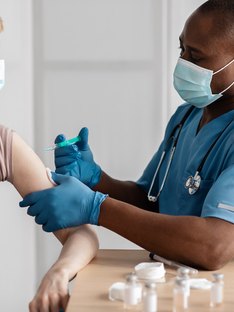
While medical intervention may be required for severe cases, or those caused by methicillin resistant staph aureus, or MRSA, many home remedies can help heal the lesions and reduce further infection. MayoClinic.com suggests soaking the wounds in a mixture of 1 tbsp. of white vinegar plus 1 pt. of water for 20 minutes. This mixture will help soften the scabs for easier removal. Washing and cleaning the area and applying an over-the-counter antibiotic cream three to four times a day will help reduce further infection and increase comfort. Using a fresh wash cloth and towel at each washing will also reduce risk of further infection. Not scratching the lesions will reduce exposure to the fluid in the blisters which carry the bacteria.


