



















Biotin is a member of the vitamin B-complex family and is additionally known as vitamin B-7 and vitamin H. The National Institutes of Health and Holistic Online documents that biotin supports healthy hair by helping to form fatty acids in your hair, while aiding in the metabolic rate of carbohydrates, proteins and fats. The recommended daily dose of biotin for hair loss is 50mcg three times per day.
Significance
Your hair is made up of a protein called keratin. Biotin is a coenzyme that helps your body to build up and break down protein vital for hair growth by attaching to and aiding five essential enzymes. Biotin supports your health on a larger scale, which is significant for healthy hair, by helping DNA replication, cell division, and the use of other B vitamins in your body.
Expert Insight
U.S. Department of Agriculture backed research has shown that multiple human genes must have biotin for them to preform properly. The study additionally discovered that biotin is essential for gene regulation, DNA repair and cell division. Mitosis is a cell-division process that duplicates cells that make up your hair. Your nails, skin and hair are rapidly replaced in the duration of your life through this process.
Natural Sources
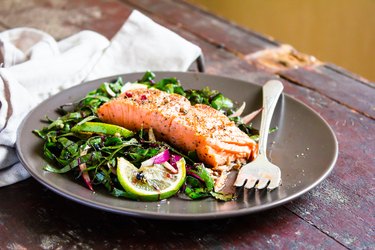
Biotin can be implemented into your diet through natural sources. Holistic online suggests that you eat foods plentiful in biotin such as: brown rice, brewer's yeast, walnuts, sunflower seeds, lentils, oats, soybeans and green peas. You can also topically apply biotin by washing and conditioning your hair with products that contain biotin.
Deficiency
Deficiency of biotin is rare, but can lead to hair loss. Symptoms of deficiency include: dry hair and skin, poor appetite and sore muscles. The human requirement for biotin has been demonstrated in, "prolonged intravenous feeding (parenteral) without biotin supplementation and consumption of raw egg white for a prolonged period," according to the Micronutrient Information Center at Oregon State University. Biotin absorption can be prevented by avidin, a protein found in egg whites that binds biotin.
Considerations
Northwestern.edu states that The Food and Nutrition Board of the Institute of Medicine advises you to consume biotin naturally from food sources. This will prevent toxicity of biotin, although excess amounts are normally excreted through urine. Oregonstate.edu reported a case study of biotin being life-threatening eosinophilic pleuropericardial effusion in a woman due to a combining 300mg of pantothenic acid with 10,000mcg of biotin per day for 60 days.


Member Comments