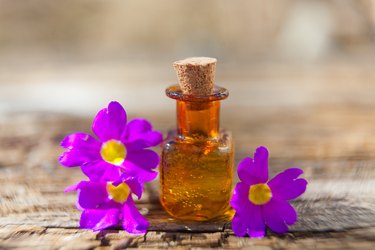
Evening primrose oil benefits are said to include everything from PMS relief to better cardiovascular health. Unfortunately, science does not support these claims. While some studies suggest that evening primrose may reduce inflammation and fight infections, it also carries potential side effects.
Tip
Use evening primrose oil in small doses for short periods. Overdoses and prolonged use may increase the risk of side effects. Consult your doctor before taking this supplement, especially if you're under medical treatment or preparing for surgery.
Video of the Day
Does Evening Primrose Oil Work?
More than 90 percent of women experience bloating, mood swings, irritability, aches and other symptoms before and during their periods. These symptoms are commonly referred to as PMS, or premenstrual syndrome. Its exact cause is unknown. Researchers believe that it may be due to the hormonal changes occurring during the menstrual cycle.
Video of the Day
Currently, there is no standard treatment for PMS. Most women use either over-the-counter (OTC) pain relievers or home remedies. In some cases, doctors may prescribe antidepressants, diuretics, birth control pills and other medications. Both OTC and prescription drugs have risks. Aspirin, for example, may put you at risk for stomach ulcers, hemorrhagic stroke and allergic reactions, warns the Mayo Clinic.
An alternative is to use home remedies like ginger, evening primrose oil (EPO) or ginkgo biloba. These dietary supplements aren't necessarily harmless, though. Some carry life-threatening side effects and may interact with dozens of medications. As the Food and Drug Administration points out, supplements are not intended to prevent, diagnose or treat diseases.
Read more: The 10 Best Supplements
Evening primrose oil (EPO) has been used as a PMS remedy for centuries. It's also marketed for its ability to relieve the pain and discomfort associated with arthritic disorders, eczema, liver cancer and other ailments. Supplement manufacturers claim that it may reduce fatigue, clear acne, promote weight loss and improve asthma symptoms. According to the National Institutes of Health (NIH), current evidence doesn't support the use of EPO for any disease or health concern.
For example, an October 2016 research paper published in Pharmacological Reviews assessed several herbal supplements and their role in women's health. In one study, young women who took a supplement containing evening primrose oil, vitamin E and vitamin B6 reported fewer symptoms during their periods compared to the control group.
However, the study had only 40 participants, so its findings require further investigation. In another clinical trial, EPO had no effect on PMS symptoms.
A recent review analyzed several anti-inflammatory herbal medicines, including evening primrose oil. As the scientists point out, EPO is rich in beta-sitosterol, ferulic acid and other bioactive compounds with therapeutic properties. In clinical trials, it has been shown to relieve morning stiffness and reduce the need for medications in people with rheumatoid arthritis, according to results published in the journal Advances in Pharmacological Sciences in May 2016.
Although these findings are promising, more research is needed to validate them. The studies cited in the above review had only a few participants and may not be conclusive.
Evening Primrose Oil Side Effects
Little is known about the actual benefits of evening primrose oil. Current research contradicts anecdotal evidence. Most studies regarding its role in the treatment of PMS, menopause symptoms, digestive disorders, eczema or cancer have conflicting results, according to the Memorial Sloan Kettering Cancer Center (MSKCC). In fact, its side effects may outweigh any potential benefits.
The MSKCC and medical experts warn about its health risks, which range from mild to severe. Evening primrose oil side effects may include headaches, nausea, stomach pain and digestive distress as well as more serious issues, such as lipoid pneumonia. The risks are even greater for pregnant women who use this remedy to reduce labor time. According to the same source, EPO may cause labor abnormalities.
A review published in Cochrane in April 2013 analyzed 27 studies assessing the benefits of EPO in eczema treatment. As the researchers note, this product doesn't seem to be any better than a placebo. Most subjects reported mild and temporary side effects, such as diarrhea and indigestion.
Is It Safe?
According to the NIH, this home remedy is likely safe when used for short periods. However, you still need to use it with caution, especially if you're pregnant or under medical treatment.
EPO may contribute to pregnancy complications and increased bleeding in people taking warfarin and other blood-thinning drugs. Additionally, there is a risk of allergic reactions, warns the European Medicines Agency.
The Cochrane review notes that EPO may not be safe in the long run. Over time, it can accumulate in your tissues, increasing the risk of inflammation and blood clots within the blood vessels. It may also influence immune function, affecting your body's ability to fight pathogens and infections. However, more research is needed to confirm these risks.
Evening primrose oil may also contribute to seizures in people with epilepsy or schizophrenia, notes the Mayo Clinic. On top of that, it may not be safe for individuals with bleeding disorders and those preparing for surgery. As mentioned earlier, this home remedy might increase bleeding.
Does EPO Interact With Medications?
If you take any medications, consult your doctor before using EPO. This product has minimal side effects when used in small doses. The problem is that it may interact with certain drugs, including anticoagulants, antidepressants and antihypertensives.
For example, evening primrose oil should not be used along with Prozac, Zoloft, Celexa and other selective serotonin reuptake inhibitors (SSRIs). These medications are commonly prescribed to those with depression. They work by increasing serotonin levels in the brain, leading to a better mood and anxiety relief. In fact, serotonin is often referred to as the "happy" or "feel-good" hormone.
Read more: 8 Warning Signs of Depression You Shouldn't Ignore
This remedy may also interact with anticonvulsants, according to an April 2018 report in Pharmacy Today. These drugs are typically recommended for people with epilepsy and may help reduce seizure frequency and intensity. Diazepam, Levetiracetam, Clonazepam and Topiramate are just a few examples. Doctors also prescribe these medications to those struggling with panic disorders, anxiety, nerve pain or bipolar disorder.
If you're under medical treatment, ask your health care provider about the safety of evening primrose. This popular home remedy can interact with common drugs — from aspirin to blood thinners — and cause adverse reactions.
- U.S. Department of Health & Human Services: "Premenstrual Syndrome (PMS)"
- Mayo Clinic: "Daily Aspirin Therapy: Understand the Benefits and Risks"
- FDA: "Dietary Supplement Products & Ingredients"
- NIH: "Evening Primrose Oil"
- Pharmacological Reviews: "Botanicals and Their Bioactive Phytochemicals for Women’s Health"
- Advances in Pharmacological Sciences: "Review of Anti-Inflammatory Herbal Medicines"
- MSKCC: "Evening Primrose Oil"
- Cochrane: "Oral Evening Primrose Oil and Borage Oil for Eczema"
- EMA: "Oenotherae Biennis Oleum"
- Mayo Clinic: "Evening Primrose"
- Mount Sinai: "Evening Primrose Oil (EPO)"
- Mayo Clinic: "Selective Serotonin Reuptake Inhibitors (SSRIs)"
- Pharmacy Today: "Review Uncovers Dangerous Herb–Drug Interactions"
- NIH: "Anticonvulsants"