
Overview
Good news! Eating a small amount of dark chocolate can be good for your health. Chocolate comes from a plant — the bean of the cacao tree — and like certain teas, wine and many fruits and vegetables, it boasts a high concentration of antioxidant compounds called "flavonoids," which can help prevent heart disease and protect against cancer.
To get the maximum health benefit it's best to consume minimally processed chocolate in pure, dark form without additives (like corn syrup, hydrogenated oil and artificial colors or flavors). Look for a cacao (or cocoa) content of 70 percent and be sure to watch the portion size. Although brands vary, you can assume that a one- to one-and-a-half-ounce serving of plain dark chocolate contains about 200 calories. Read on to discover the 12 top brands for clean and healthy chocolate.
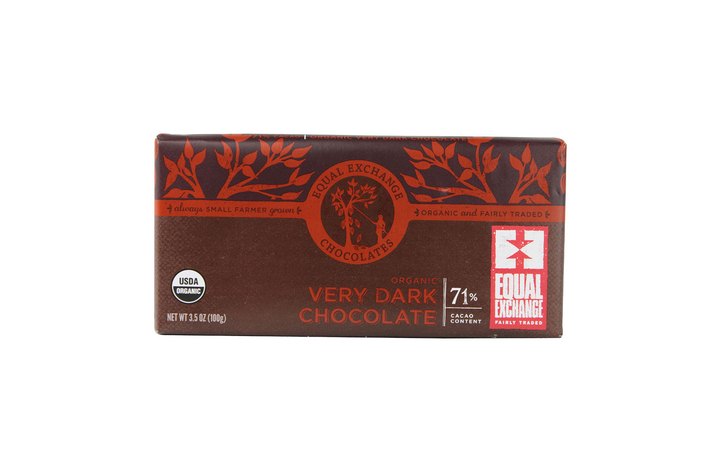
1. Equal Exchange
Each Equal Exchange chocolate bar is built on four foundational ingredients: chocolate liquor, cocoa butter, cane sugar and vanilla beans — every bit of it 100 percent organic and fair trade. The 71 percent Very Dark bar contains nothing else.
And an array of bars in classic flavors have only one additional ingredient each: There is orange or peppermint oil added to the Dark Chocolate Orange bar (65 percent cacao) and the Mint Chocolate bar (67 percent cacao); raspberries or coconut lend something special to their namesake bars (both 60 percent cacao); and a 55 percent cacao bar holds just almonds (the Dark Chocolate with Almonds).
Price: $3.50 per bar
Try it! More About Equal Exchange Chocolate Bars
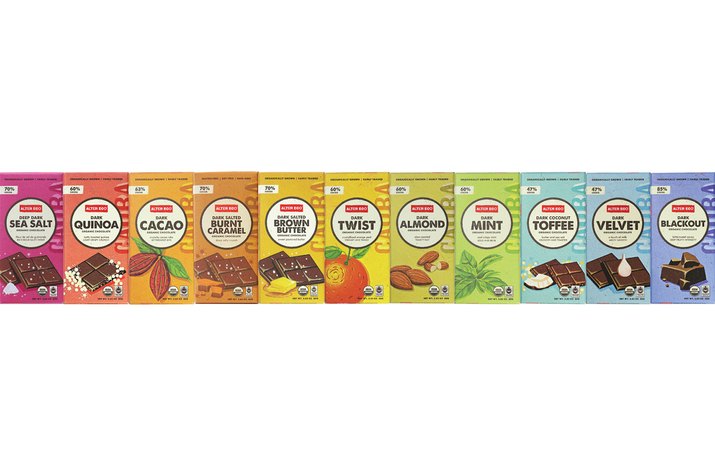
2. Alter Eco
Alter Eco's organic, fair-trade dark chocolate bars are part of a product line that includes quinoa, rice and sugar grown in impoverished regions throughout the world.
Their products are also "carbon-neutral." To achieve that, they plant trees in regions from which they source, and their packaging is compostable. Their Dark Blackout Organic Chocolate Bar is 85 percent cocoa and contains only four 100 percent organic, fair-trade-certified ingredients: cacao beans, cocoa butter, raw cane sugar and vanilla beans. This flavor, along with some of the line's other varieties, are also vegan.
Price: $3.99 per bar
Try it! More About Alter Eco Chocolate Bars
3. Vosges Haut Chocolat
Vosges Haut Chocolat's new Super Dark varieties are named for their combination of 72-percent cacao dark chocolate content and added superfoods. Flavors like Matcha Green Tea and Spirulina Bar boast the potential antiviral activity of spirulina, a form of blue-green algae that's very high in B vitamins and iron. While green tea confers numerous benefits derived from its high polyphenol (a type of antioxidant) content, including reduced blood pressure, enhanced mood and possibly improving blood sugar control. One downside is that Vosges uses soy lecithin as an emulsifier so this is worth noting if you avoid soy in your diet.
Price: $8.00 per bar
Try it! More About Vosges Haut Chocolate Bars
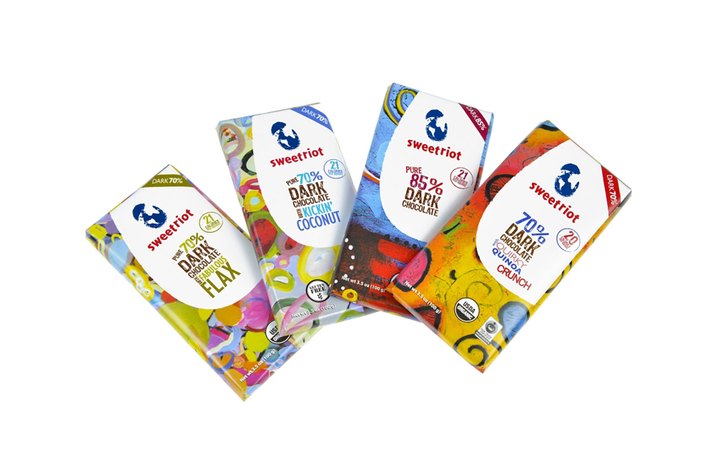
4. Sweetriot
In addition to using organic, fair-trade and non-GMO ingredients in their dark chocolate bars, Sweetriot supports emerging artists and artistic communities. Every few months Sweetriot engages customers in Rock the Art Vote to choose a new emerging artist to design their upcoming packaging.
Their 70-percent Dark Chocolate Kickin' Coconut bar boasts the health benefits of alpha-linolenic acid (ALA), an omega-3 fat believed to protect against heart disease, depression and diabetes, among other conditions. One serving (33 grams) of the chia chocolate bar contains 0.67 grams of ALA — more than half the recommended dietary allowance (RDA) for ALA for women and more than one-third the RDA for men.
Price: $3.99 per bar
Try it! More About Sweetriot Chocolate Bars
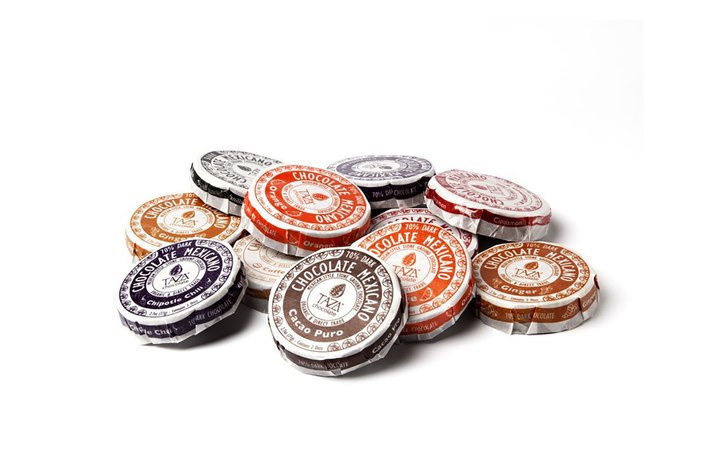
5. Taza Chocolate
Taza Chocolate's trademark product is stone-ground, unrefined, minimally processed chocolate. Their Wicked Dark 95 percent Stone Ground Chocolate Bar contains only organic cacao beans and organic cane sugar. This bar contains only two grams of sugar per 35-gram serving of chocolate, as compared to nine grams of sugar for a typical 70 percent dark bar and seven grams for a typical 85 percent bar.
And their Direct Trade certification lets you know they buy directly from cacao farmers, and they "pay a premium above the fair-trade price for their cacao." Their Stone Ground Origin bars each contain a bean of single origin and come in 60, 70, 80 and 87 percent cacao.
Price: $5 per bar
Try it! More About Taza Chocolate Bars
6. Theo
Theo's chocolate bars contain no GMOs, no additives (just chocolate, sugar and vanilla beans form the base) and nearly all ingredients are organic and fair trade. A minimum of 70-percent cacao content per bar means you get a lot of the antioxidant and anti-inflammatory benefits of the polyphenol compounds called "flavonoids" present in high amounts in dark chocolate.
For an added healthful bonus, try Theo's Ginger or Chili bars. Ginger has antiviral activity and is used to combat respiratory infections; and chili pepper (also known as cayenne), used mainly to reduce pain in arthritis, also shows promise for improving blood sugar levels.
Price: $3.99 per bar
Try it! More About Theo Chocolate Bars
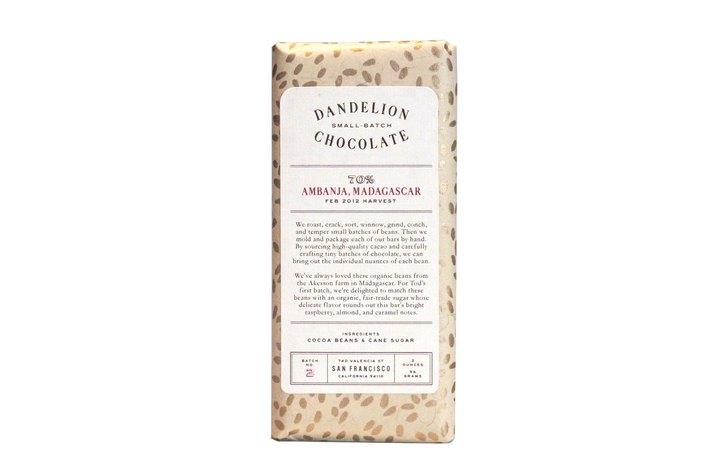
7. Dandelion Chocolate
San Francisco-based Dandelion Chocolate offers one of the purest dark chocolate experiences out there. Their 70 percent cacao bars are made with just two ingredients: single-origin cacao beans and sugar. This stripped-down approach is unique. The finer the quality of the cacao bean, the fewer steps are needed to produce a superior-tasting chocolate.
Dandelion's purist process lends each bar the distinct flavor of its single-source beans, which come from countries like Venezuela, Madagascar and Liberia. The high cacao content means the bars have a good dose of flavonoids, which have beneficial effects on blood pressure, insulin resistance and the blood lipids that influence risk of heart disease.
Price: $8.50 to $12 per bar
Try it! More About Dandelion Chocolate Bars
8. Addictive Wellness
Some companies use Chinese herbs or Amazonian superfoods to boost the health properties of their chocolate; some make a "raw" (or unheated) product to avoid losing too much of the chocolate's antioxidant activity in processing; and still others refuse to add sugar to their chocolate. Addictive Wellness combines all three.
The Energy bar is spiked with cordyceps, a fungus used medicinally to treat fatigue and enhance immune function. The Beauty bar contains mesquite, a powder typically produced from a tree that's rich in micronutrients like calcium and magnesium. All the bars are sugar-free and sweetened with stevia and/or birch xylitol (a sugar alcohol that's slowly absorbed and lower in calories than sugar).
Price: $7.75 per bar
Try it! More About Addictive Wellness Chocolate Bars
9. Righteously Raw
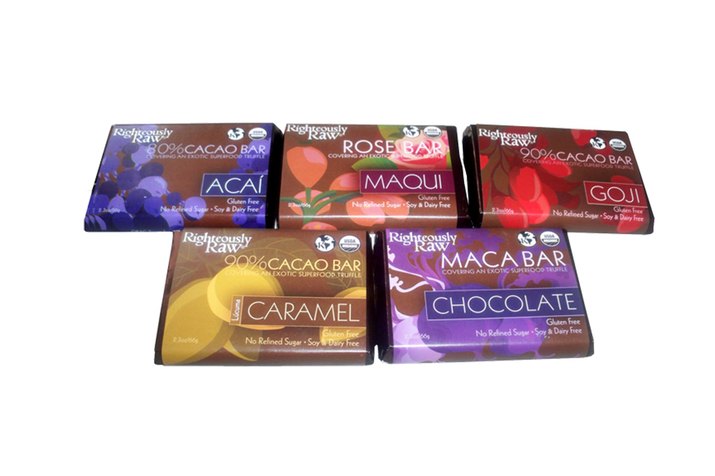
To avoid losing too much of the flavonoids that give dark chocolate its healthy name, Righteously Raw takes the term "minimally processed" to heart. They produce a "raw" chocolate, assuring that the cacao is never heated above 118 degrees. The low-temperature preparation means you'll get as much flavonoid activity as possible.
That's good news, because the benefits are significant: These antioxidant compounds relax blood vessels, lower blood pressure and have an overall positive effect on heart health. Righteously Raw's line of dark chocolate bars also includes an 80-percent cacao Acai bar and a 90-percent cacao Goji bar — both "superfood" berries are praised for their strong antioxidant power.
Price: $5.99 per bar
Try it! More About Righteously Raw Chocolate Bars
10. Coco Polo: The Stevia Chocolate Company
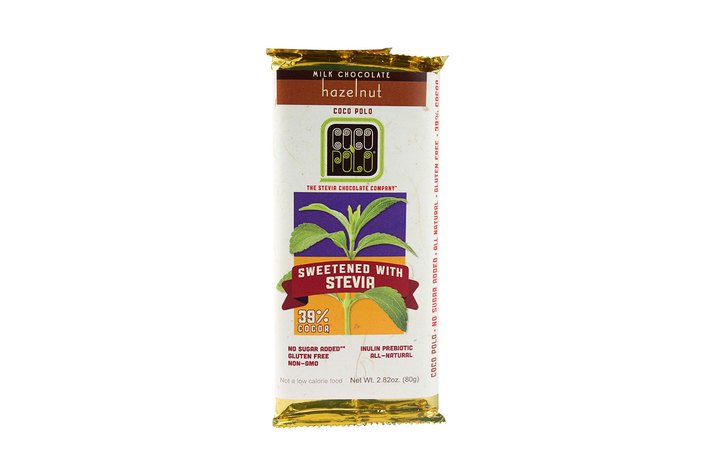
The 70-percent dark chocolate bar made by Coco Polo contains zero grams of sugar. Instead, it's sweetened with calorie-free stevia (a leaf extract used in place of sugar) and erythritol (a sugar alcohol that has fewer calories per gram than sugar). Although some people notice an aftertaste with stevia, it may be worth trying if you want to avoid adding sugar to your diet while still benefiting from a healthy dose of dark chocolate. Coco Polo dark chocolate bars also come in Dark Ginger, Dark Cherry, Dark Elderberry and a host of other popular flavors.
Price: $5.25 per bar
Try it! More About Coco Polo Chocolate Bars
11. Sacred Chocolate
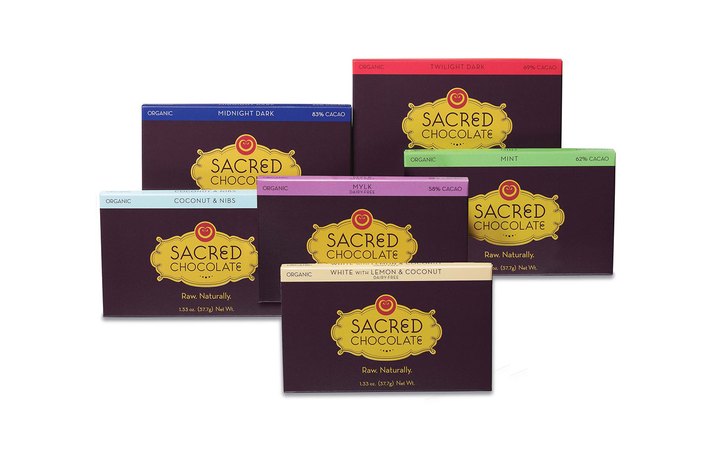
Sacred Chocolate's organic, raw, vegan, stone-ground bars are processed in a 100-percent renewable-energy facility and contain no cane sugar (maple sugar is used in most bars instead). And each of Sacred Chocolate's bars has unique, health-promoting ingredients.
For instance, the Reverse bar contains resveratrol, the compound found in grapes and red wine that extends the lifespan of laboratory animals; the Sun Sweet bar is sweetened only with inulin, a low glycemic index carbohydrate that's also a prebiotic that supports gut health; and the Immuno-Mushroom bar contains a variety of Chinese mushrooms, like chaga and reishi, which are used Chinese-medicine tradition to support immunity and overall health.
Price: $8.25 per bar
Try it! More About Sacred Chocolate Bars
Video of the Day
Advertisement
Video of the Day
- Roberto Corti et al. Cocoa and Cardiovascular Health. Contemporary Reviews in Cardiovascular Medicine
- Yao, LH et al. Flavonoids in food and their health benefits. Plant Foods Hum Nutr. 2004 Summer; 59(3):113-22. doi 10.1007/s11130-004-0049-7
- Equal Exchange: Difference between “cacao” and “cocoa”
- Equal Exchange 71% bar: 37g = 210 calories
- Dandelion ingredients
- Dandelion process:
- Summary of the process of transforming beans into chocolate and cocoa products”, International Cocoa Organization