















































If you're looking for ways to improve eye health, the American Academy of Ophthalmologists (AAO) recommends eating foods high in beta-carotene, Vitamins C and E, zeaxanthin, lutein, Omega-3 fatty acids, selenium and zinc. Research has shown that these nutrients can protect the eyes from damage caused by free radicals and oxidative stress. Herbs like gingko and bilberry have been used to treat various eye problems. However, according to the National Institute of Health's National Library of Medicine (NLM), there is not enough scientific research to prove their effectiveness.
Herbs
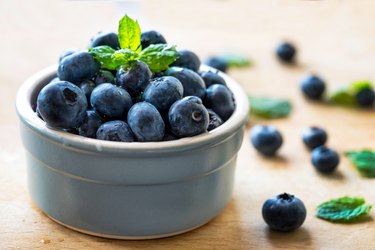
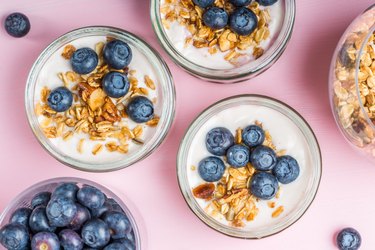
Bilberry is a close relative of the blueberry. According to a monograph prepared by Natural Standard Research Collaboration for NLM, its extract has been used traditionally to treat a number of eye problems. However, it reveals that more research is needed when it comes to its use for cataracts, diabetic retinopathy and glaucoma--as scientific evidence is still unclear to support its effectiveness.
Another herb of interest is gingko, which has been used to treat cataracts, macular degeneration and retinopathy. According to Natural Standard, preliminary research has shown that it may have some benefit; however, more research is needed to prove its effectiveness.
Golden seal has been used as an eye wash for eye inflammation and conjunctivitis. According to the Natural Medicines Comprehensive Database, there is insufficient reliable information available to rate its effectiveness, and safety has not been assessed.
As of September 2010, the American Academy of Ophthalmology does not endorse the use of any herbs for eye health, due to inadequate evidence to support their benefit.
Vitamin A
Vitamin A---along with beta-carotene and Vitamins C and E---is an antioxidant vitamin. A Japanese study published in the August 2009 edition of the "British Journal of Ophthalmology" linked cataract formation to low levels of antioxidants in the lens of the eye. The Blue Mountain Eye Study (BMES), published in the June 2008 edition of the "American Journal of Clinical Nutrition", found that higher dietary intake of Vitamin A reduced the risk of nuclear cataracts. Vitamin A also protects against night blindness, dry eyes and eye infections. Vitamin A is found in animal sources, such as beef or chicken liver, cod liver oil, eggs, butter and milk.
Beta-carotene
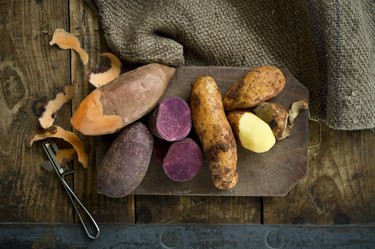
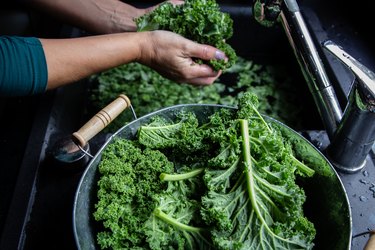
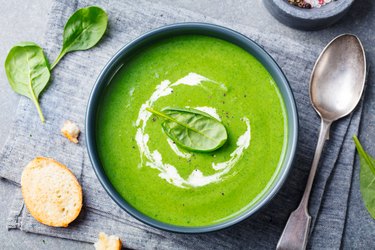
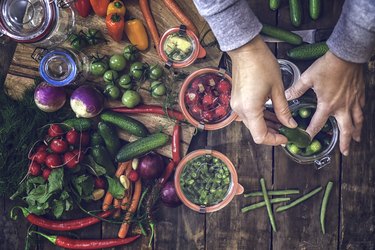
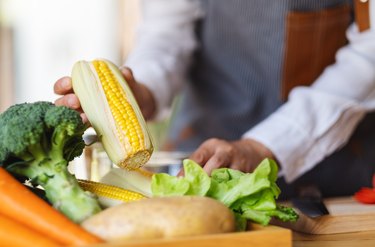
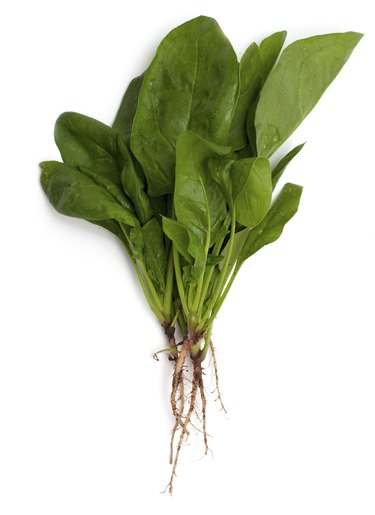
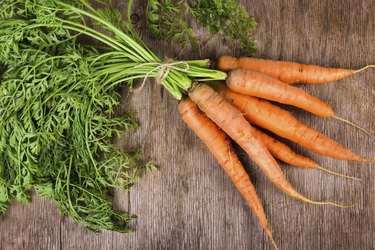
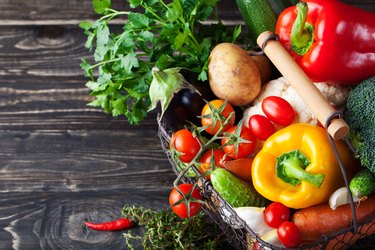
According to All About Vision, beta-carotene also protects against night blindness and dry eyes. AREDS, a study conducted by the National Eye Institute, found that supplementation with Vitamins C and E, beta-carotene and zinc reduced the risk of developing advanced age-related macular degeneration (AMD) in participants who had varying stages of the disease. However, in heavy smokers beta-carotene supplementation has been shown to increase risk of lung and prostate cancer and cardiovascular mortality, according to results from the Alpha-Tocopherol, Beta-Carotene Cancer Prevention (ATBC) Study and the Beta-Carotene and Retinol Efficacy Trial (CARET). Beta-carotene from foods does not seem to have this effect. The American Heart Association and the American Cancer Society recommend obtaining beta-carotene---as well as other antioxidants---from foods rather than through supplements. Beta-carotene is especially prevalent in dark green and deep yellow or orange vegetables and fruits, such as carrots, sweet potatoes, spinach, kale, sweet bell pepper, winter squash, turnip greens, dried apricots, cantaloupe, and mango.
Vitamin C
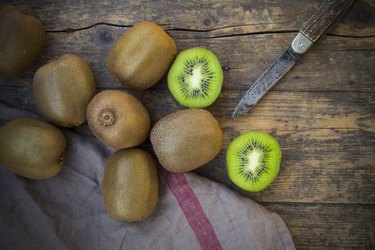
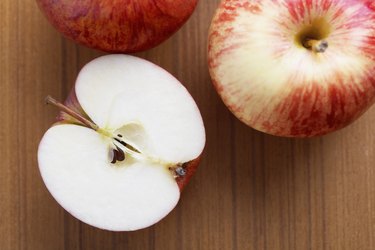
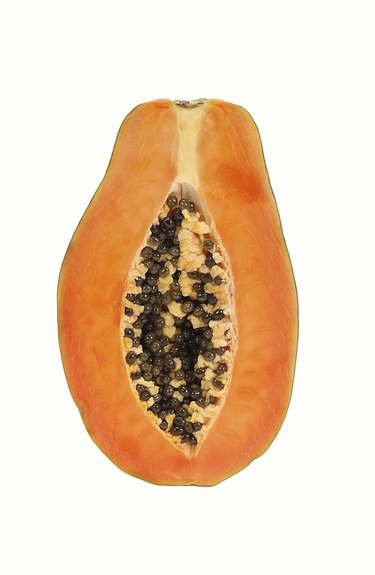
Another antioxidant, Vitamin C helps the body form and maintain collagen found in the cornea of the eye. It also promotes healthy blood vessels, such as the capillaries, in the retina. It is a component of the AREDS Formulation---supplements that have been shown to slow progression of the disease in people with AMD. Fruits and vegetables are the primary sources of Vitamin C. Citrus fruits, juices (apple, grapefruit, grape, orange and pineapple), tomatoes, blackberries, cantaloupe, honeydew melon, kiwi, mango, papaya, peaches, strawberries and watermelon are all excellent sources as well. Many of these foods are also good sources of bioflavonoids, which may complement Vitamin C's effects. Blueberries, cherries, cranberries, grapes, plums and red wine also provide bioflavonoids.
Vitamin E
When combined with beta-carotene and Vitamin C, Vitamin E reduces the risk of developing advanced AMD. It is another antioxidant vitamin that may reduce risk of cataracts. Almonds, hazelnuts, sunflower seeds and fortified cereals are excellent sources of Vitamin E. Shrimp, whole grains, fruits and vegetables also contribute to Vitamin E intake, according to the USDA.
Lutein and Zeaxanthin
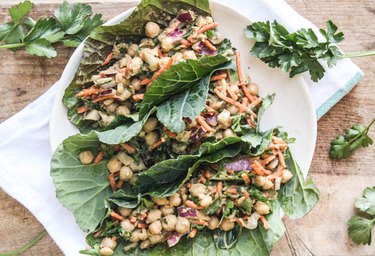
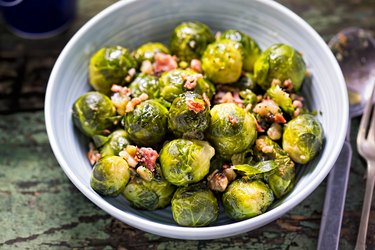
Lutein and zeaxanthin are antioxidant phytochemicals found in dark green and deep yellow vegetables, including collard and turnip greens, kale, spinach and winter squash. Along with other antioxidants, lutein and zeaxanthin can help protect the body from the damage of free radicals and oxidative stress. Epidemiological studies have shown that diets high in lutein and zeaxanthin are associated with a lower incidence of AMD. They may also prevent cataracts.
Omega-3 Fatty Acids, Selenium and Zinc
According to a large, multi-site study reported in "Archives of Ophthalmology," Omega-3 fatty acids consumed from fish lowered risk of AMD. They also prevented dry eye syndrome in a study of women at Brigham and Women's Hospital in Boston. Good sources for Omega-3 fatty acids include cold-water fish, such as salmon, mackerel, herring and tuna, flaxseed oil, fish oil, ground flaxseeds and walnuts. Zinc and selenium (when combined with the antioxidant vitamins) also helped reduce risk of advanced AMD. Zinc works with Vitamin A to reduce risk of night blindness. Meat, fish, poultry and grains are good sources of zinc. Selenium is found in seafood, such as shrimp, crab, salmon and halibut; Brazil nuts; enriched noodles; and brown rice.


Member Comments