




















































Impacted bowel, or fecal impaction, refers to a large mass of hard, dry stool that can form in the rectum because of chronic constipation. Sometimes, the mass is so hard that it cannot evacuate the body, and the result may be leakage of watery stool from high up in the bowel as it moves around the mass, according to medical professionals from the Memorial Healthcare System. Treatment for impacted bowel depends upon cause and symptom severity.
Medications
Stool softeners such as docusate, can ease symptoms of an impacted bowel by adding bulk and fluid to the stool, according to the University of Maryland Medical Center. In addition, glycerin and bisacodyl suppositories can help the passage of stools, as can other gentle laxatives such as Metamucil, a bulk fiber laxative. If over-the-counter laxatives and stool softeners fail to resolve the impaction, prescription medications might be recommended that can soften stubborn fecal masses enough to pass comfortably through the rectum without causing injury to rectal and anal tissues.
Dietary Measures
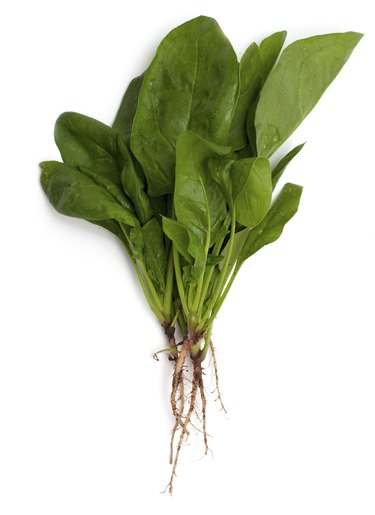
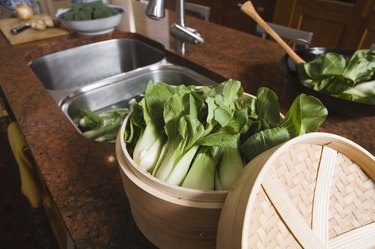
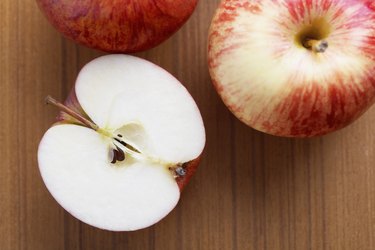
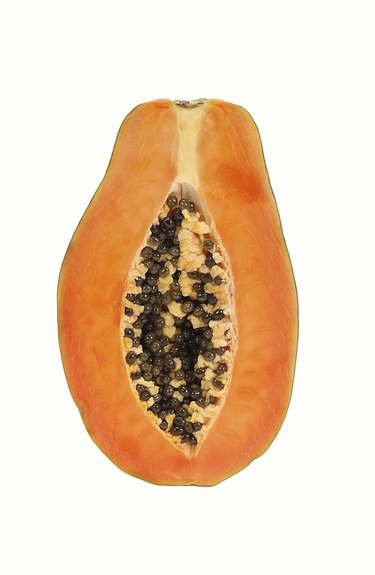
Dietary measures such as consuming more fiber from fresh fruits and vegetables, bran and whole-wheat grains might help bulk up stools, resulting in normal bowel movements. Increasing fluid intake, per your physicians recommendations help promote the passage of stool. Beverages such as tea and coffee should be avoided because they contain caffeine, which can lead to dehydration and subsequent constipation and impacted bowels.
Exercise
The University of Maryland Medical Center says that regular exercise helps establish a pattern of regular bowel movements. In patients confined to bed or wheelchairs, efforts should be made to change position often and perform leg raises and abdominal contraction exercises several times a day. Your physician or physical therapist can devise an exercise program appropriate for your physical abilities and limitations. Always check with your health-care provider before beginning an exercise regime for your impacted bowel.
Enemas
Softening and lubricating the fecal impaction with a warm mineral oil enema can help it evacuate the rectum without injury, but an enema alone is usually not adequate enough to remove a hardened, large impaction. Do not use an enema without the advice of your physician, because incorrect procedure can cause serious injury and worsening of symptoms.
Manual Removal
When other measures fail to remove the fecal impaction, the mass might need to be broken up manually. Your health-care provider will don a latex glove and insert one or two fingers gently into the rectum, while slowly breaking up the fecal mass into small pieces, making expulsion easier. Manual or digital removal of an impacted bowel is usually done in small steps to reduce the risk of damaging the rectal tissues, according to the University of Maryland Medical Center. In addition, suppositories might be administered between digital removal attempts to assist in the clearing of the bowel.


